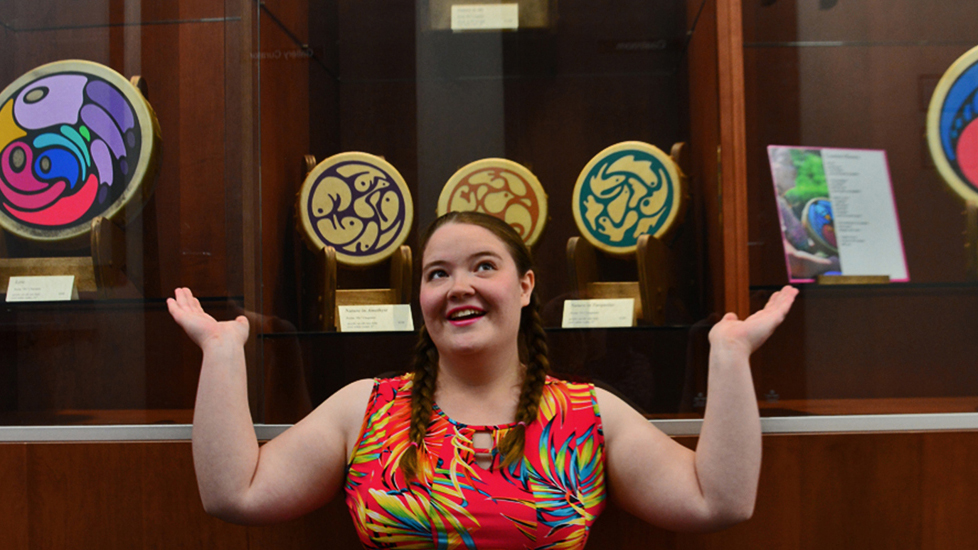
How Po Makes Hand Drums, Portia Chapman, Uncategorized

The Sacred History of Frame Drums and the Empowerment of Women Across Cultures

The Sacred History of Frame Drums and the Empowerment of Women Across Cultures

By Po โ€“ Woman Drum Maker & Drum Artist, Kingston ON
https://loveartbypo.wordpress.com/product-painted-hand-drums-kingston-artist-portia-po-chapman/

For thousands of years, long before written histories, the heartbeat of the frame drum echoed through ceremonies, celebrations, healing practices, and spiritual rituals around the world. What many people donโ€™t know is that the frame drumโ€”one of the oldest known instrumentsโ€”has an especially profound and empowering connection to women.

Across continents, cultures, and centuries, women were the primary keepers of rhythm, voice, and ceremony. The frame drum was not only an instrument; it was a symbol of feminine power, intuition, and the ability to bridge the physical and spiritual worlds.

As a contemporary woman frame drum maker and artist in Kingston, Ontario, Iโ€™m deeply inspired by this lineage. This article explores the rich, global history of the frame drum and its long-standing relationship with women’s empowerment.


Ancient Mesopotamia: Drumming as Divine Feminine Power

One of the earliest depictions of women drumming comes from ancient Mesopotamia, where priestesses of the goddess Inanna/Ishtar were shown holding frame drums in temple rituals. These women were spiritual leaders, healers, and cultural guides.

The drum, here, symbolized:

  • Womenโ€™s connection to sacred cycles
  • Their authority in ceremonial life
  • The rhythmic energy of creation itself

The frame drum wasnโ€™t just an instrumentโ€”it was a tool of spiritual and social leadership.


The Middle East & Mediterranean: Priestesses, Midwives, and Healers

In cultures across Turkey, Egypt, Greece, and Rome, women were the primary drummers during rites of fertility, healing, birth, and death.

In ancient Egypt, women used frame drums in temple rituals dedicated to Hathor and Sekhmetโ€”goddesses connected to feminine strength, intuition, and protection.

In Greece, the tambourine-like tympanon was played almost exclusively by women affiliated with goddess cults, such as those of Cybele and Dionysus.

In the Levant, women drummed during birth rituals, blessing the arrival of new life with rhythm.

Here, drumming represented the cyclical rhythm of womanhoodโ€”birth, transformation, creativity, mourning, and celebration.


Indigenous North American Traditions: Drums as Carriers of Story, Spirit, and Identity

Across many Indigenous cultures in North America, women traditionally played drums for:

  • Ceremony
  • Storytelling
  • Healing
  • Community leadership

The drum is often seen as the heartbeat of Mother Earth, carrying prayers and intention. While each Nation has its own practices, women have long held vital roles as singers, drummers, and creators of hand drumsโ€”especially in matrilineal societies.

Today, Indigenous women continue to reclaim and revitalize drum teachings, reinforcing cultural strength and identity. This reclamation is a powerful act of resilience and empowerment.


Northern & Eastern Europe: Women as Ritual Drummers and Seers

Archaeological and oral histories from Ireland, Scandinavia, the Baltics, and Siberia show that women used frame drums in shamanic and divination practices. The drum was believed to open pathways to the unseen world.

Women drummers were often:

  • Healers
  • Midwives
  • Ritual leaders
  • Carriers of ancestral knowledge

In Sรกmi culture, both men and women used ceremonial drums, but women were often recognized as strong intuitive leadersโ€”those who could โ€œhearโ€ what rhythm was saying.

https://jwa.org/sites/default/files/mediaobjects/women_and_hand_drums_terracotta.jpg

Central Asia & the Middle East: The Daf and Womenโ€™s Healing Circles

For centuries, the daf, a large frame drum, has been central to womenโ€™s gatherings in Iran, Kurdistan, and surrounding regions.

Women used the drum to:

  • Celebrate weddings
  • Mark rites of passage
  • Perform healing dances
  • Build community solidarity

The daf carries a deeply spiritual vibration, and in Sufi tradition, women daf players continue to lead devotional music that uplifts and transforms.


When Womenโ€™s Drumming Was Suppressedโ€”And When It Returned

As patriarchal systems grew across many cultures, womenโ€™s roles as drummers, spiritual leaders, and healers were gradually diminished or erased. Some places even banned women from drumming entirely.

But the beat never disappeared.
Women held onto drumming quietly in:

  • Kitchen gatherings
  • Birth rituals
  • Folk celebrations
  • Personal spiritual practice

By the late 20th and early 21st centuries, a global revival began. Women around the world started reclaiming the frame drumโ€”remembering an ancient calling.


The Modern Revival: Drumming as Healing, Empowerment, and Reconnection

Today, the frame drum has re-emerged as a powerful symbol of women’s empowerment. Women are:

  • Making their own drums
  • Leading drum circles
  • Reconnecting with ancestral rhythms
  • Using drumming for trauma healing
  • Teaching drumming as a form of voice reclamation
  • Celebrating identity and community through rhythm

Contemporary female artists and makersโ€”like myselfโ€”are part of a global movement restoring the drumโ€™s original connection to feminine strength.

The frame drum reminds us:
We are rhythmic beings.
We are carriers of story.
We are creators.
We are connected.


Why I Make Drums as a Woman Artist

As a drum maker, painter, and musician in Kingston, ON, I create frame drums not only as instruments, but as carriers of meaning – a living storytelling art.

Each drum I paint or make by hand honours:

  • The strength of women
  • The historic lineage of feminine drumming
  • The healing vibration of sound
  • The power of personal storytelling
  • The beauty of Creation

Explore my hand-painted drums here:
๐Ÿ‘‰ https://loveartbypo.wordpress.com/product-painted-hand-drums-kingston-artist-portia-po-chapman/

Every drum is nurtured – Every drum made with LOVE.

I look forward to making a custom drum for you!

Contact me to book your complimentary e-consultation and we can collaborate a drum design that reflects your voice, your journey, and tells your story.

Request a Custom Project Quote

Let Me Know What You Think! Start or Join the Convesation


Artist Portia Po Chapman Mural, Portia Chapman, Uncategorized

The Rich History of Hand-Painted Kitchen Murals: From Ancient Hearths to Modern Homes

Contemporary Kitchen Mural

History of Hand-Painted Kitchen Murals

Hand-painted kitchen murals may feel like a recent design trend, but their history stretches back thousands of years. As long as humans have gathered around food and fire, we have decorated the spaces where we cook, eat, and connect. These murals reflect cultural values, artistic innovation, and the evolution of the kitchen itself. (See the original sample kitchen without mural.)

Below is a journey through time exploring how kitchen murals began, how they changed, and why they continue to flourish today.

Ancient Beginnings: Art Around the HearthFrom Cave Paintings to Early Communal Kitchens

Long before contemporary kitchens existed, early humans adorned the walls of communal living spaces with painted symbols and scenes. The spaces where people prepared food were often decorated with images of animals, hunts, and daily life.

These early images did more than beautify spaces, they told stories, marked traditions, and connected communities.

Egyptian and Roman Domestic Art

In ancient Egypt, homes of wealthy families featured painted walls depicting food, agriculture, and abundance. These symbols reflected the householdโ€™s prosperity and honoured deities connected to nourishment.

The Romans pushed wall painting even further. In Pompeii and Herculaneum, frescoes decorated kitchens, pantries, and dining areas with images of fruits, fish, wines, and market scenes.

Medieval and Renaissance Kitchens: Function First, Decoration Later

During the Middle Ages, kitchens were utilitarian, smoky, and often separate from the main living quarters. Decoration was limited due to soot and open flames. Still, some monasteries and noble estates painted devotional symbols near hearths as blessings for safety and abundance.

With the Renaissance came a renewed interest in beauty within the home. Frescoes began appearing in dining halls and hearth rooms, including scenes of feasts, harvests, and nature. These early murals set the precedent for connecting kitchens and dining spaces with artistic expression.

The 17thโ€“19th Centuries: Folk Art and Cultural Identity

As homes became cleaner and better ventilated, painted kitchen walls became more common, especially in rural communities.

European Folk Art Traditions

Regions such as:

  • Bavaria (Germany)
  • Scandinavia
  • Eastern Europe
    became known for bright, hand-painted kitchen motifs: flowers, birds, vines, and symbolic patterns.

These murals were typically done by local artisans or homeowners, making the designs deeply personal. They celebrated family heritage, religious beliefs, and seasonal cycles.

Colonial North America

Early North American settlers brought European traditions with them. Hand-painted stencils, sweeping floral garlands, and pastoral scenes decorated hearth rooms and kitchens. Many of these murals doubled as storytelling tools to record harvests, travels, or family events.

The Early 20th Century: Murals Meet Modern Design

As kitchens became more central to the home as gathering spaces, rather than just practical spaces, kitchen murals experienced a revival.

Arts & Crafts Movement

This movement celebrated craftsmanship and natural motifs. Hand-painted tiles and wall panels featuring fruits, flowers, and farm life became common, particularly in English and American kitchens.

Art Deco & Art Nouveau Eras

Sleek, stylized murals with geometric or botanical themes brought elegance to kitchens, often blending artistic flair with the eraโ€™s growing interest in beautifying the home.

Post-War Boom: Murals as Cheerful Homemaking

The 1950s and 1960s brought bright colors, optimism, and a quickly growing home dรฉcor industry.

Popular Themes Included:

  • Fruit baskets
  • Vineyards
  • Roosters and country motifs
  • Cheerful kitchen scenes
  • Checkerboard patterns
  • Decorative borders

Hand-painted murals and stencilling kits became widely available, allowing everyday people to personalize their kitchens for the first time.

Late 20th Century to Today: Custom Art for Modern Lifestyles

The contemporary kitchen is a social space, and murals have reemerged as a sophisticated and creative form of self-expression. Todayโ€™s hand-painted kitchen murals combine historical inspiration with contemporary design and technique.

Current Trends Reflect:

  • Nature and botanicals โ€” a nod to earlier folk traditions
  • Food and wine themes โ€” inspired by Roman and Tuscan frescoes
  • Minimalist line art โ€” echoing modern aesthetics
  • Cultural motifs โ€” celebrating heritage
  • Large-scale abstract murals โ€” turning kitchens into art installations

Artisans now use durable paints, sealants, and washable surfaces, allowing murals to stand up to heat, moisture, and daily use.

Why Hand-Painted Kitchen Murals Remain Desired

Across centuries, cultures, and artistic movements, kitchen murals have persisted because they provide:

  • A personal story: They connect the homeowner to heritage, memory, and meaning.
  • A sense of warmth: Art transforms a utilitarian space into a welcoming space.
  • A celebration of food and community: Murals reinforce the kitchenโ€™s emotional significance.
  • Timeless craftsmanship: Hand painting creates authenticity that printed murals canโ€™t fully replicate.

Final Thoughts

The history of hand-painted kitchen murals is a history of home, family, and creativity. From ancient frescoes to contemporary custom artwork, these murals have always served as more than decoration; they are symbols of nourishment, heritage, family, and the beauty of everyday life.

Contact Po, if youโ€™re ready to create a mural that sets your kitchen apart from your friends and families’ kitchens with a bold, contemporary, and hand-painted mural. Book your complimentary e-consultation and you can collaborate to design a wall that leaves a lasting impression and tells your story.

Request a Custom Project Quote

Let Me Know What You Think! Start or Join the Convesation