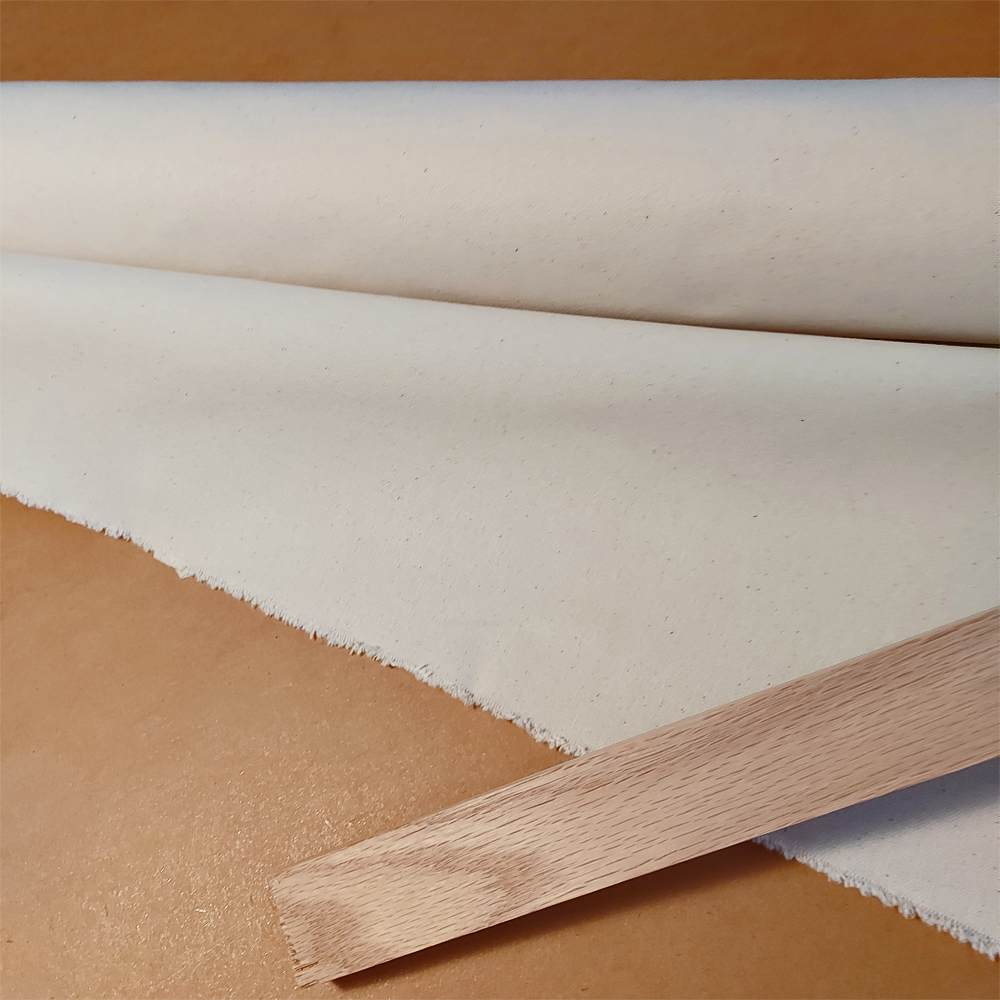
Today, the final steps of the the stretcher creation journey before stretching the canvas were completed, and the canvas will hopefully be stretched with 12oz. cotton canvas by the end of tomorrow. The stretcher is different from most other canvas stretchers as I am using a solid face sign board with a stretcher frame attached made of red oak to create a stretcher with a statement-making depth of 2 1/4″.
These are the materials used as mentioned above.
I decided to make a stretcher with a solid surface on which to stretch the canvas to provide the following two things:
A layer of protection for hanging and transporting such a large piece
To assure the image is able to have a chic, flat, ‘muralesque’ appearance.
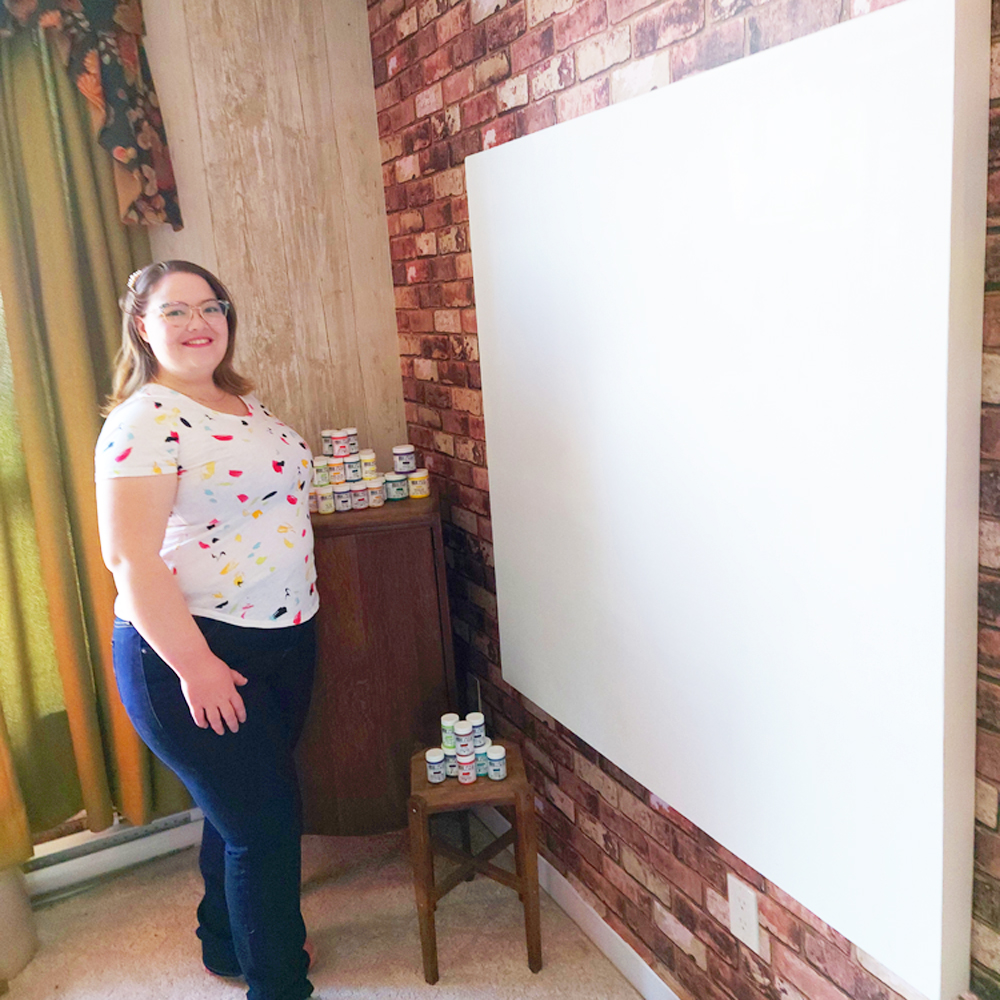
Stretcher hung on Po’s wall without canvas.
Not many know or even think about the process that goes on with a stretched painting before the paint even hits the canvas. However, as a sculptress, I find what you don’t see behind the painting just as amazing as the completed painting seen on the surface.
Here are some photos to document the stretcher making process:
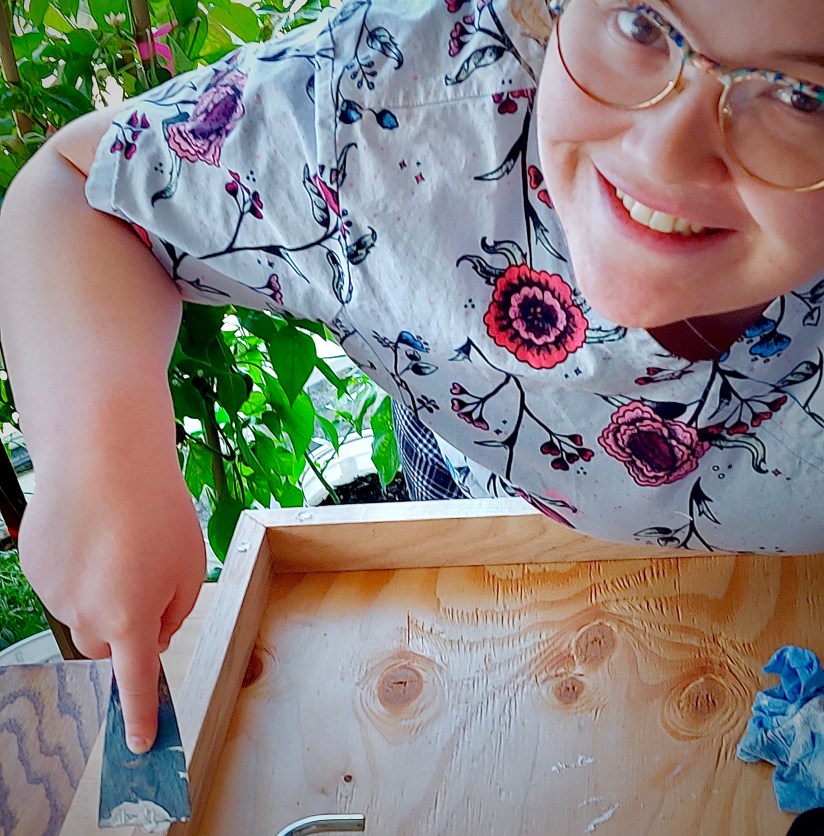
Filling screw holes and any imperfections.
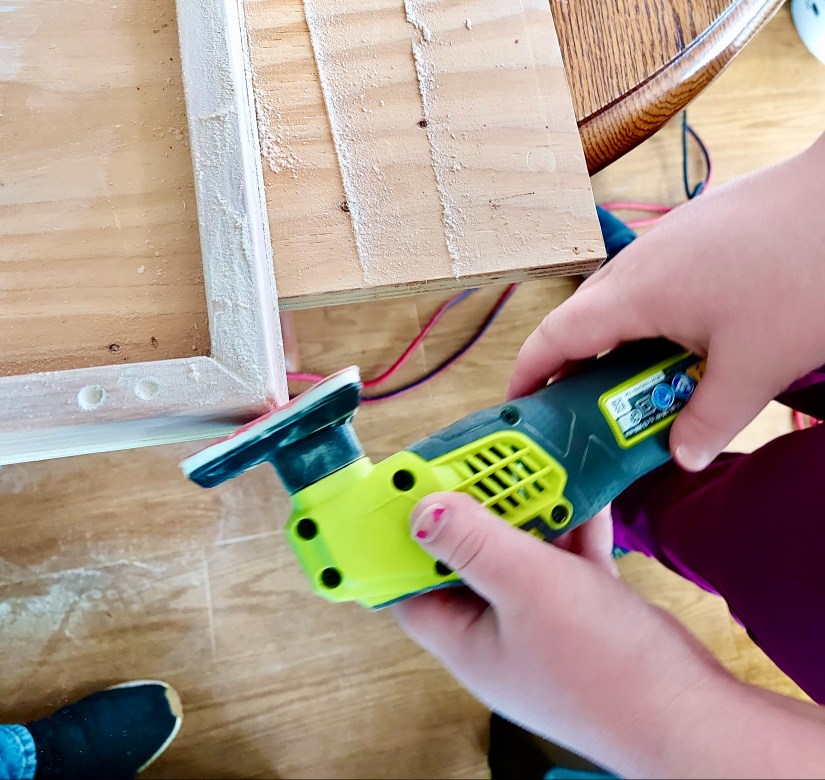
Sanding the corners and sharp edges so not to cut canvas.
Po priming the stretcher frame with Tri-Art Professional Quality Gesso.
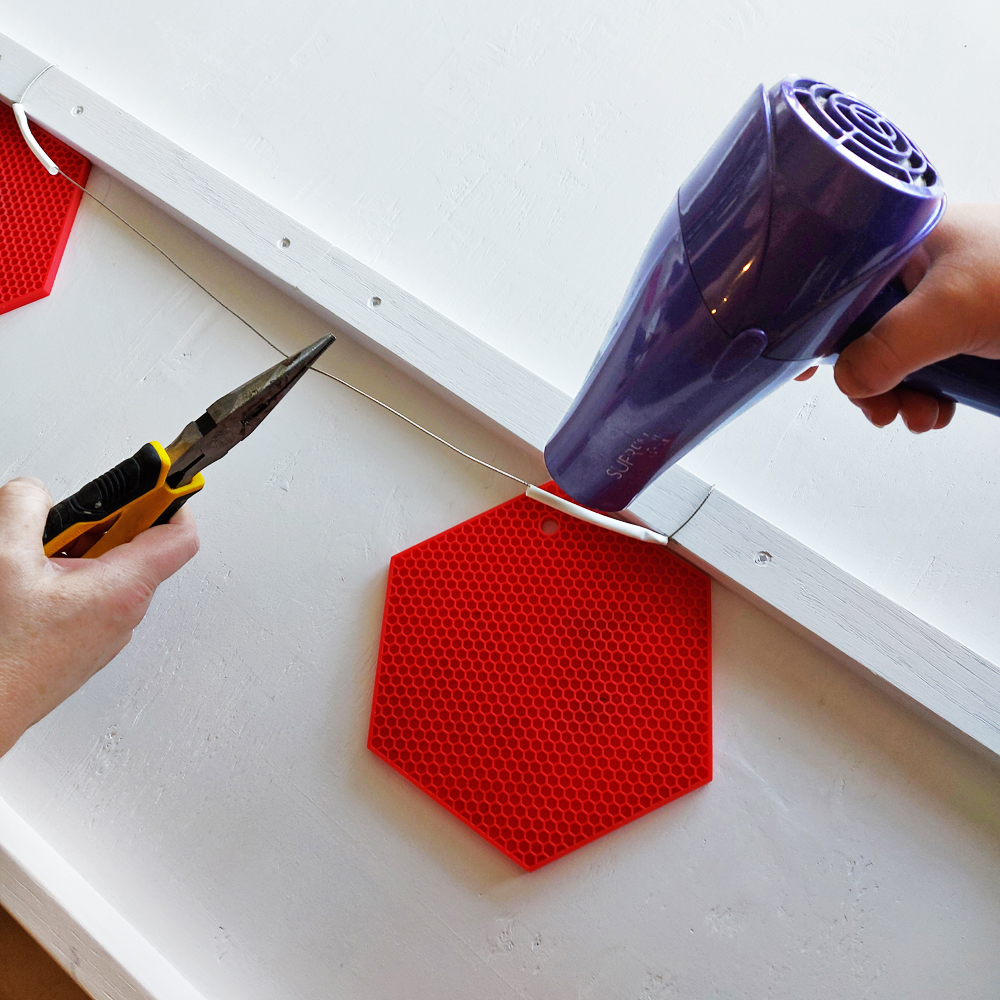
Securing the hanging wire.
Keep coming back to my blog to see more updates ahead.
Po standing with her Golden SoFlat paint and stretcher without canvas. As you can see the stretcher has been moved out of the woodshop and into the painting studio.
Behind our favourite paintings exist an unseen construction that without, much of the art world would remain rolled up and stuffed under artists’ beds.
Transportable paintings need mounting materials.
How tight to stretch a canvas varries in options almost as the number of artists who use them. I still like to use a dollar store stretched canvas and water stained, a warted canvas board in a pinch. Us artists just have to create. Even an old bed sheet held down on the grass with rocks will satisfy our needs at times.
I grew up in a home adorned by ongoing art projects. As children, our drawings on the walls were never punished. My parents didn’t even pick up a bottle of cleaning spray. My parents would be so proud. You’d think a scribble I did on the foyer wall was their new Mona Lisa.
I was always welcome, no matter how young, to sit in on adult oriented art events and courses. One time, my dad gave the participants each a cup of black paint, a brush and led them to an inner foyer of our home. I walked proudly with my cup and brush. When we all entered the room, he instructed about 8 of us, “Paint.” The class was aghast at the instruction. Confusion as to what and where was accompanied by a laughter and a dash of delirium. What surface should we paint? When everyone just stood there shoulder to shoulder in an oblong egg shaped formation, he took my cup and brush and painting a long swath across the wall. “Here, now paint! Let the spirit of creativity move you.” You see, he had been planning this exercise for months without telling anyone. The walls were stuccoed and sealed with an opaque, non-script grey. I hated those grey walls. After that night of painting, a really special energy adorned that space. It was impossible to enter his studio without walking through it. That night, as a community of creators, we created a creation that greeted hundreds of people. Behind that collective art piece was a prepared framing of what would be a very special welcoming space. After a few years, it hit me, “ahh, now I know why he built that space in the shape it was – smacked in the centre of our artsy home. He wanted everyone to see our art.
I remember when I was about 7 years old when we took off the kitchen cupboard doors. We had very little, if any, money. The cupboards remained without doors for years. Our family has been unwilling to sell them, even though the offers for these impromptu paintings on cupboard doors still have the hinges mounted or hanging off them. One time, we didn’t even have paint. So we rigged up a medium and surface to hold that medium. The painting is a bit of plaster, a dash of purple house paint and all kinds of different spices and sugars for colour and texture. As a family, we did what we had to do. Even when it felt like the world was closing in on us, we found some way to keep creating. I spent hours upon hours searching for the right rock or tree bark to paint or use in a construction. From a young age, I learned that the proper frame, stretcher, surface, or background could be found for any art creation.
After about 2 years off of creating full-time due to education and teaching pursuits, I had to get back at it. I just had to. I considered a few options but I needed to build. I needed to get my hands dusty and covered with filler and paint. As I was going through my artistic idea journal, I was drawn back to drums and exterior wood and paper sign board. As amazing as it sounds, as soon as I found my place in my art-space of mind, commission requests came to greet me and my new drum collection found its voice.
In the following pictures, I have included some snapshots of my frame and stretcher work for these new art pieces. I am having the time my life. So much fun and so fulfilling to prepare the pieces to be painted.
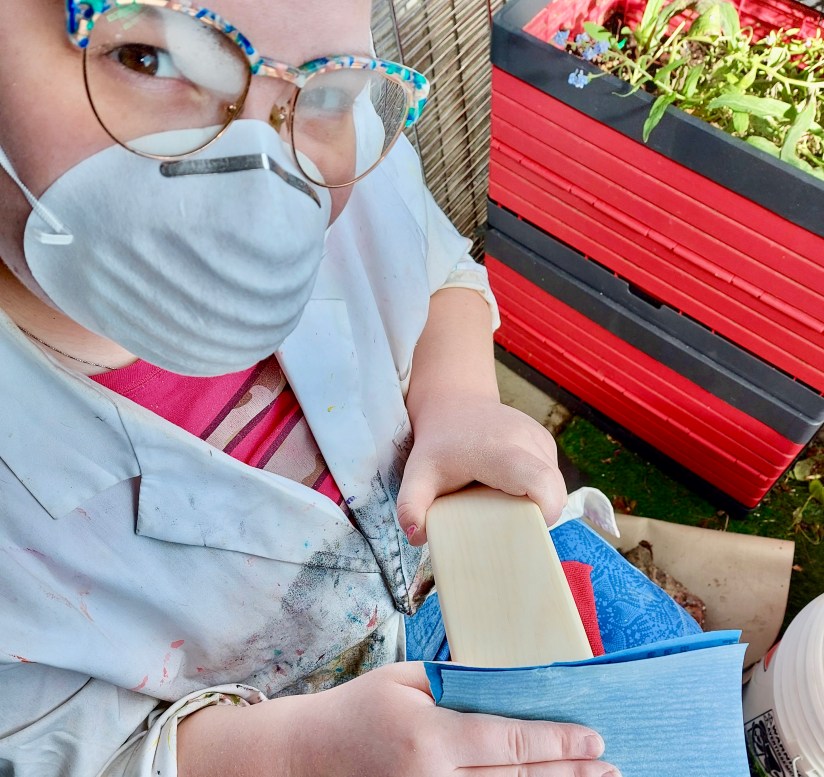
Portia Po Chapman Making a Canvas Stretcher for Her “My Creation” Mural: Sanding Stretcher
Portia Po Chapman Making a Canvas Stretcher for Her “My Creation” Mural: Filling HolesPortia Po Chapman Sanding a White Cedar Drum Frame
Portia “Po” Chapman Begins Painted Hand Drum Trials
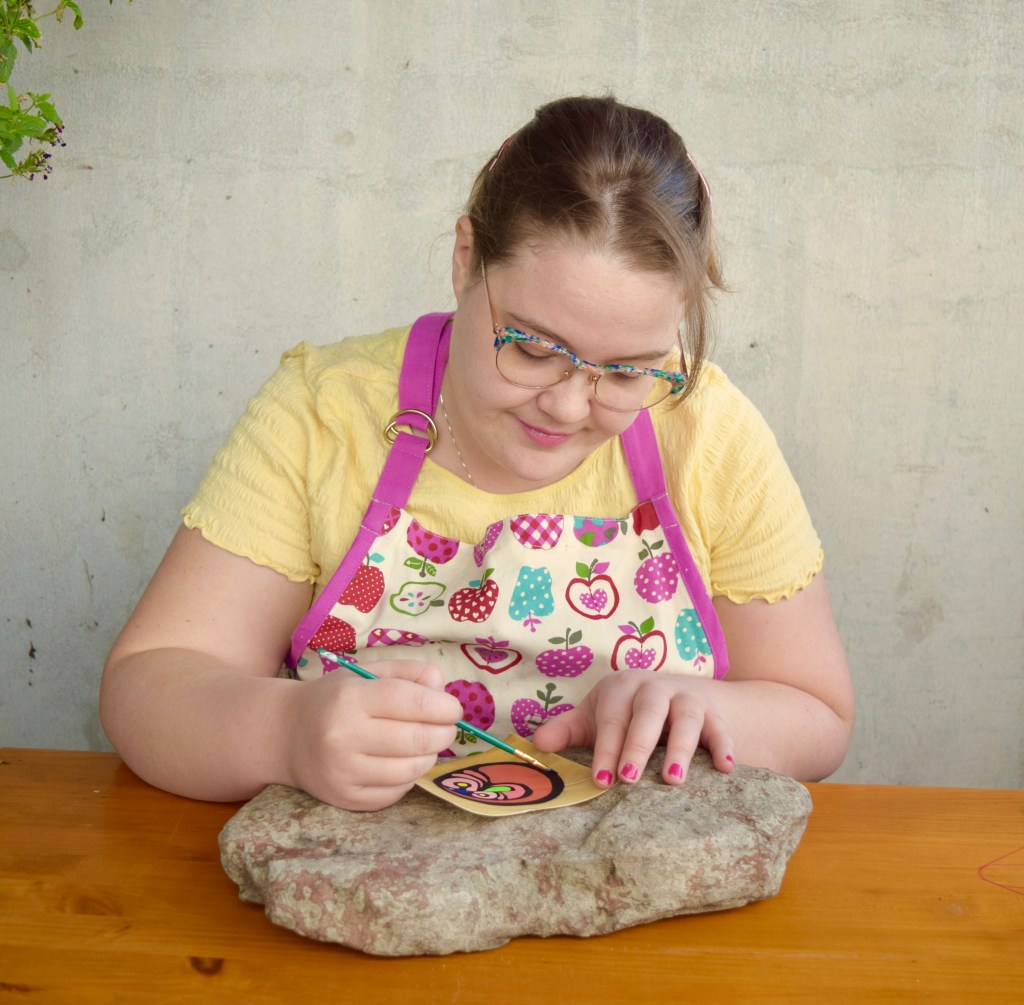
Portia “Po” Chapman trial painting on elk rawhide.
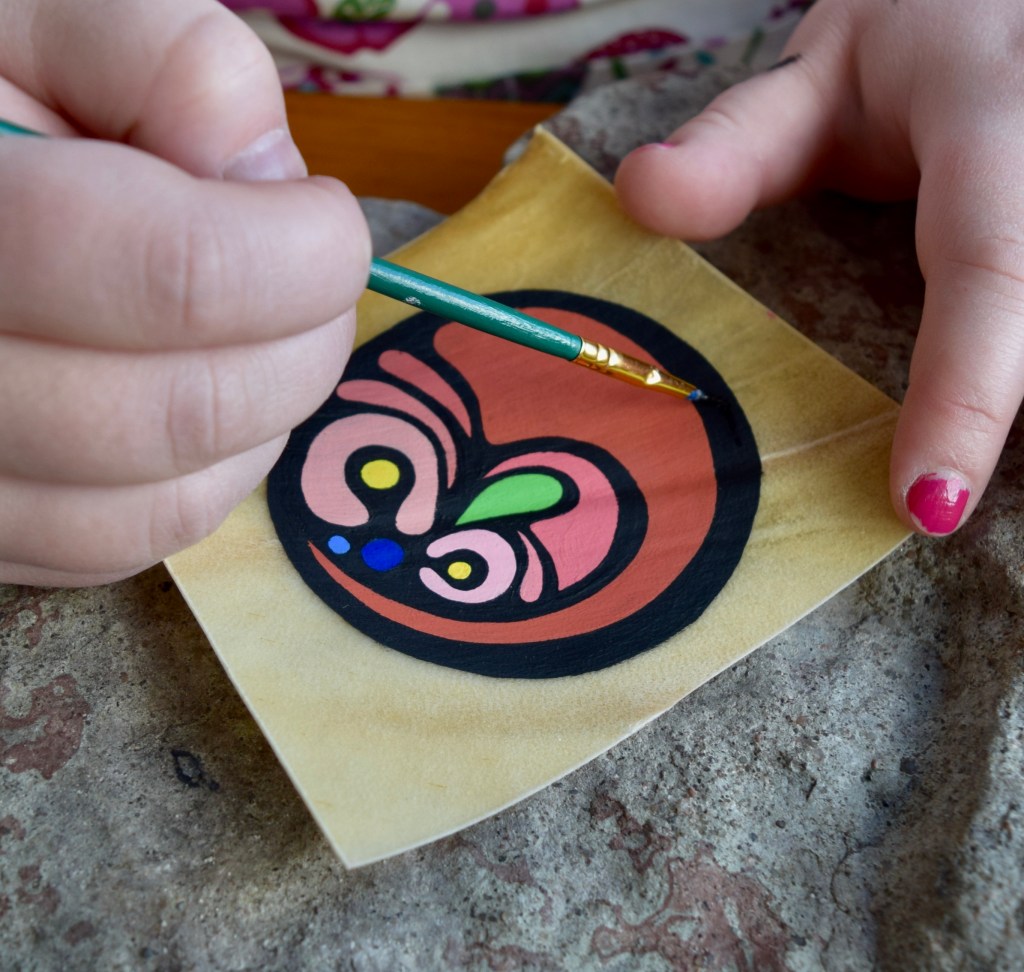
I am excited to announce that painted hand drum trials have commenced. After experimenting with a variety of different mediums and paints, I finally found the paint that is right for me and my new painted hand drum collection. Golden’s new SoFlat matte acrylic paints glide beautifully on the surface of the elk rawhide as if a perfect marriage between the two mediums (Golden, not a sponsor, but I would be glad to accept a sponsorship from them 🙂 ). The paint’s self levelling qualities allow for intense pigment while keeping the natural integrity of the hide’s textures. The paint is also flexible enough that I could almost bend the hide in half without the paint cracking, allowing for the flexibility required of a hand drum. While the paint is amazingly opaque, when the painted hide is held up to the sun, you can still see the light shine through it. My patrons will be very pleased with the quality of their new hand drum.
Portia “Po” Chapman painting with Golden SoFlat acrylic paints on elk rawhide.
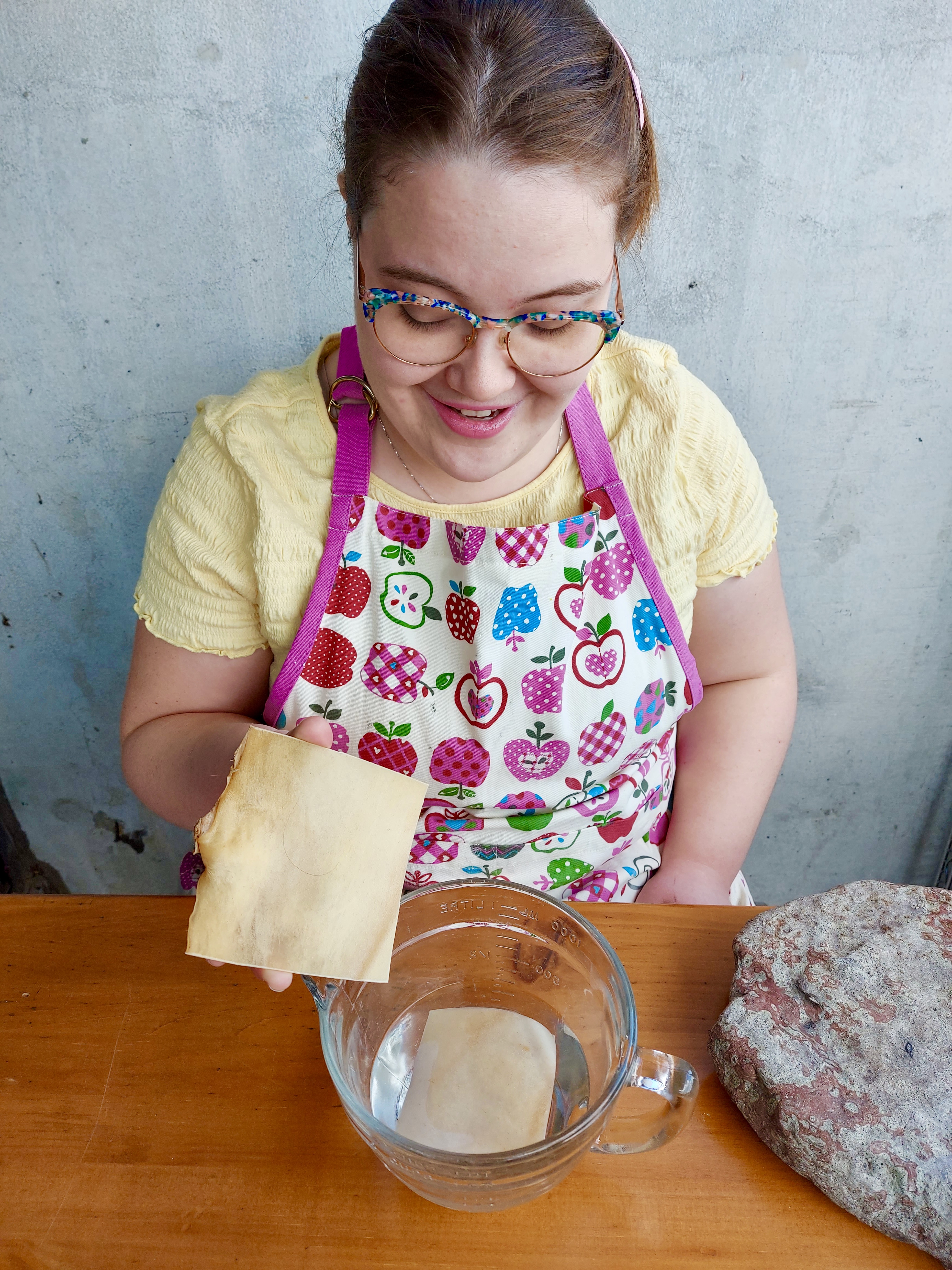
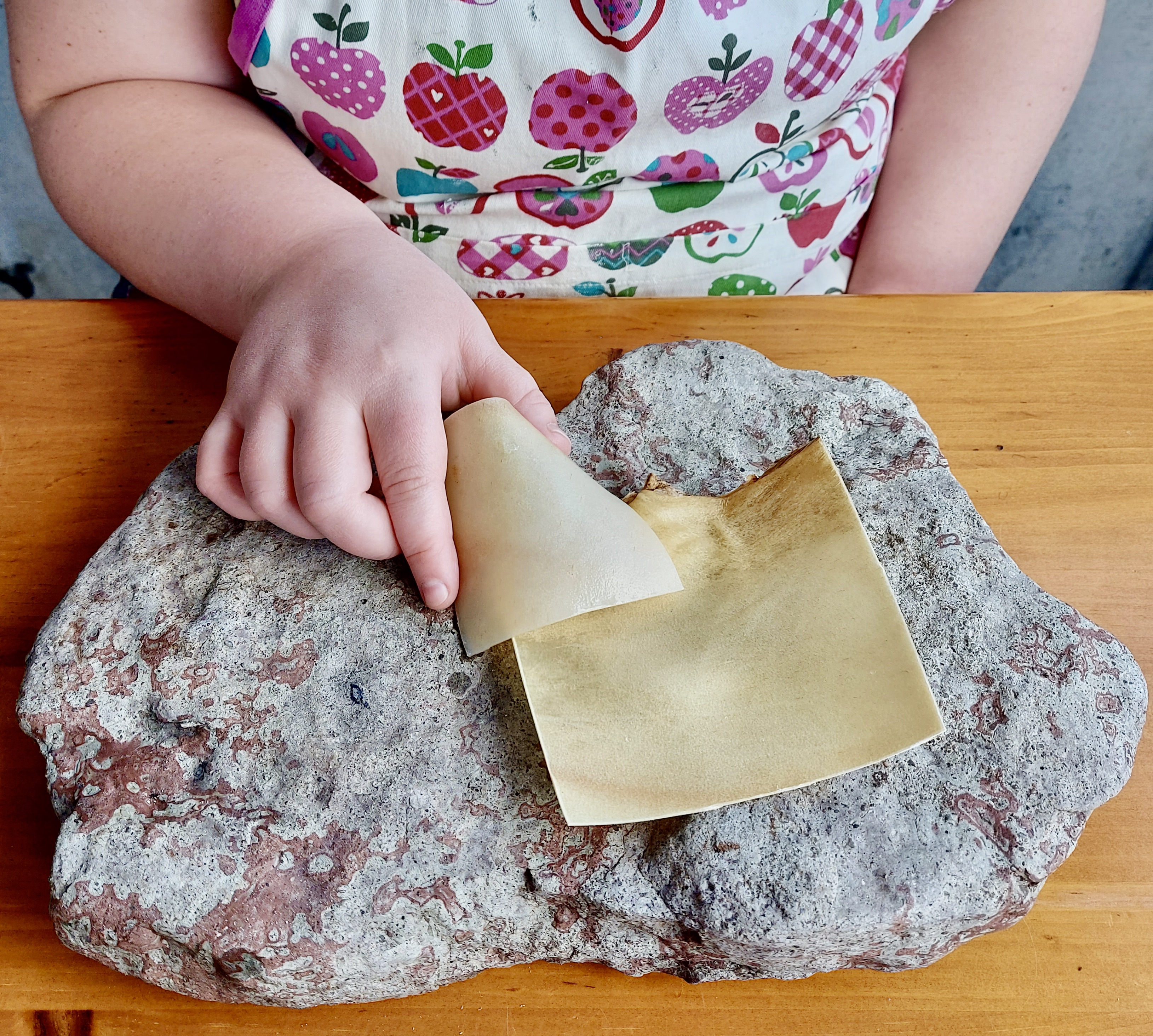
In order to stretch the raw hide over the white cedar drum frames, the hide must be soaked, I found for at least 12 hours. With an end piece of the elk rawhide, I did a trial run of the soaking process to see how the hide behaved after being soaked. Here you can see the comparison between the flexibility of the soaked raw hide and the dried rawhide. The soaked rawhide is the smaller piece (it did not shrink, it was cut a smaller size). The soaked rawhide is very flexible and almost rubbery in texture (the sensation of feeling it is similar to what I remember when petting a beluga whale as a child), whereas the dried raw hide is stiff and paper like in texture.
I am always excited for the experimental and trial stages of a project. You never know how a material behaves until you try using it yourself, especially a natural Creator-made rawhide that can differ greatly depending on the animal. I am looking forward to stretching the soaked elk rawhide over my freshly sanded and treated white cedar drum frames shortly and beginning the painting process. Once dry, the rawhide will regain much of its translucent nature. I’ll post about these processes too in the near future.
Portia “Po” Chapman smudging soaked elk rawhide with sage and a goose feather fan.
My new painted hand drum collection features 14″ painted hand drums. Each painted hand drum is $500. I am accepting pre-orders to reserve these pieces. I chose to create a new collection of painted hand drums rather than wood block prints/stamps because the artwork and drum can sing in perfect harmony when drummed by their drummer. I like creating art pieces that can be used by the collector. I think this collection is very special. With these painted hand drums, collectors will surely turn heads at their local drum circle gatherings.
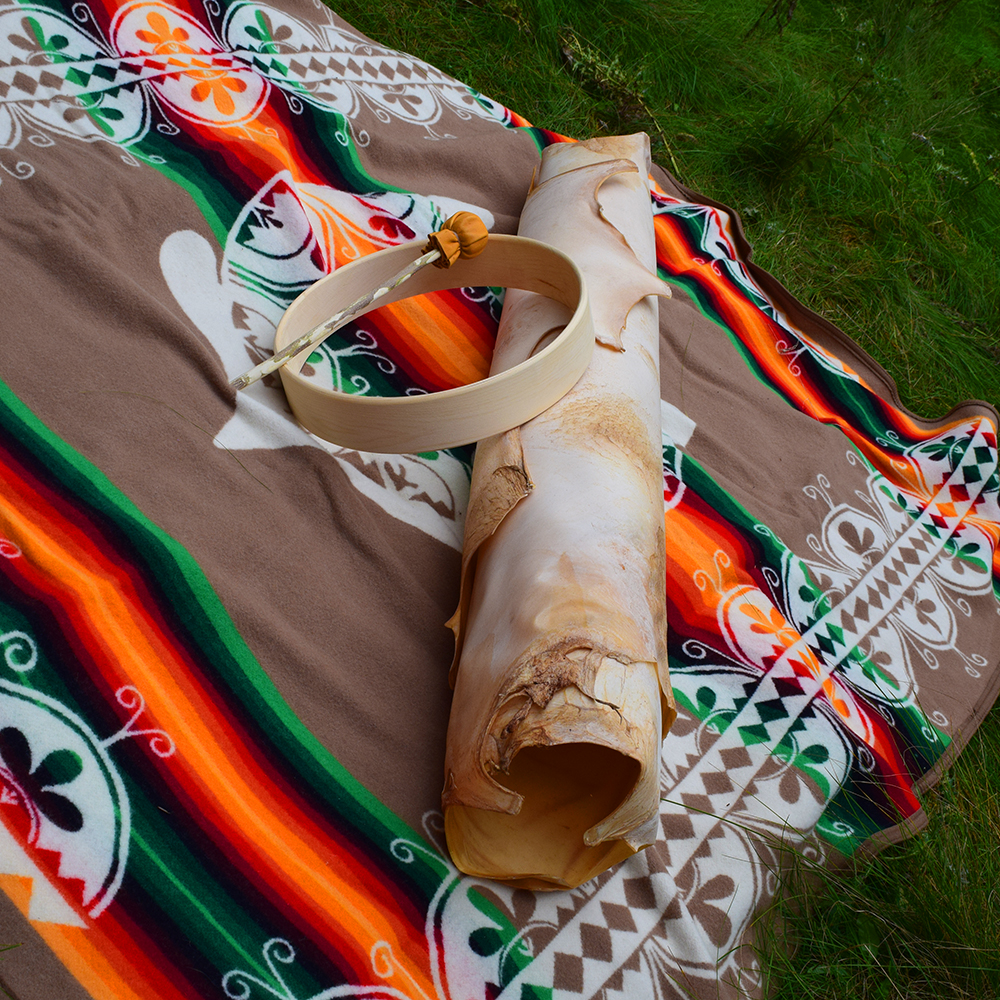
Portia Po Chapman Reveals New Hand Drum Materials – Thanks Bill Worb Furs!
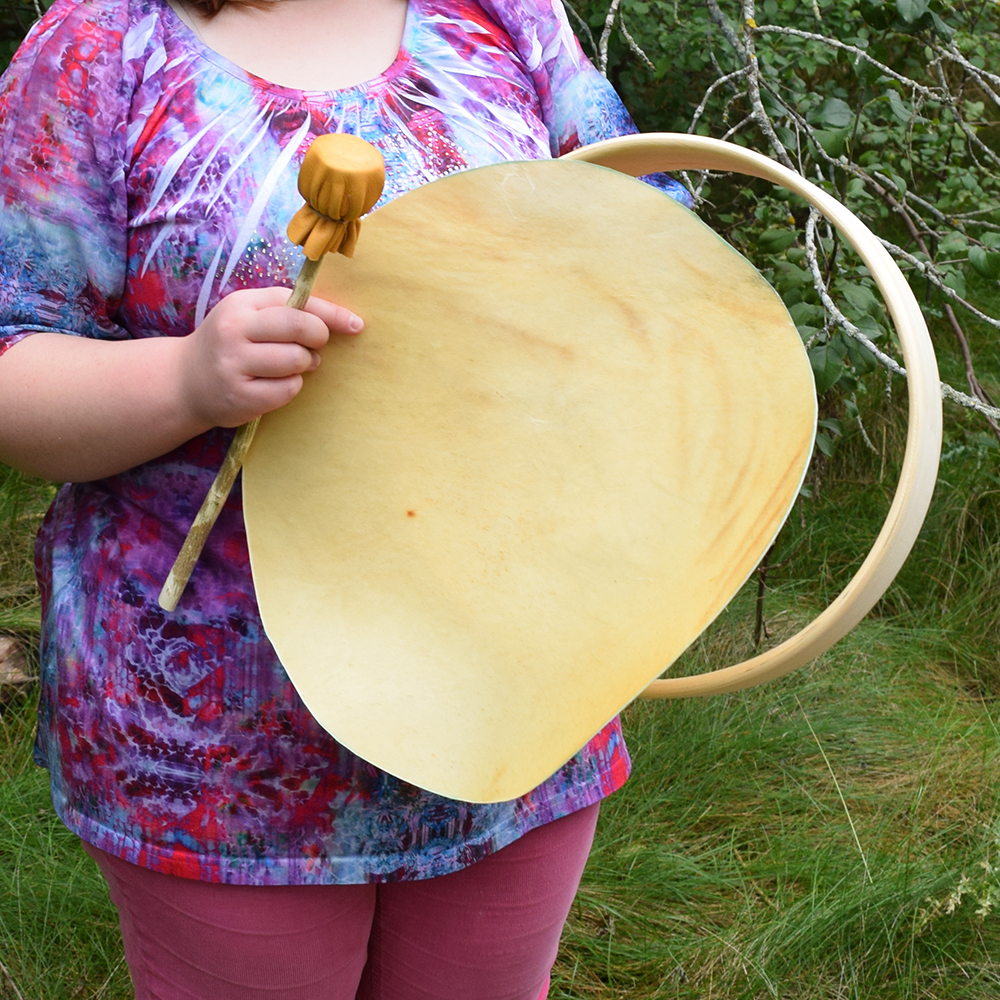
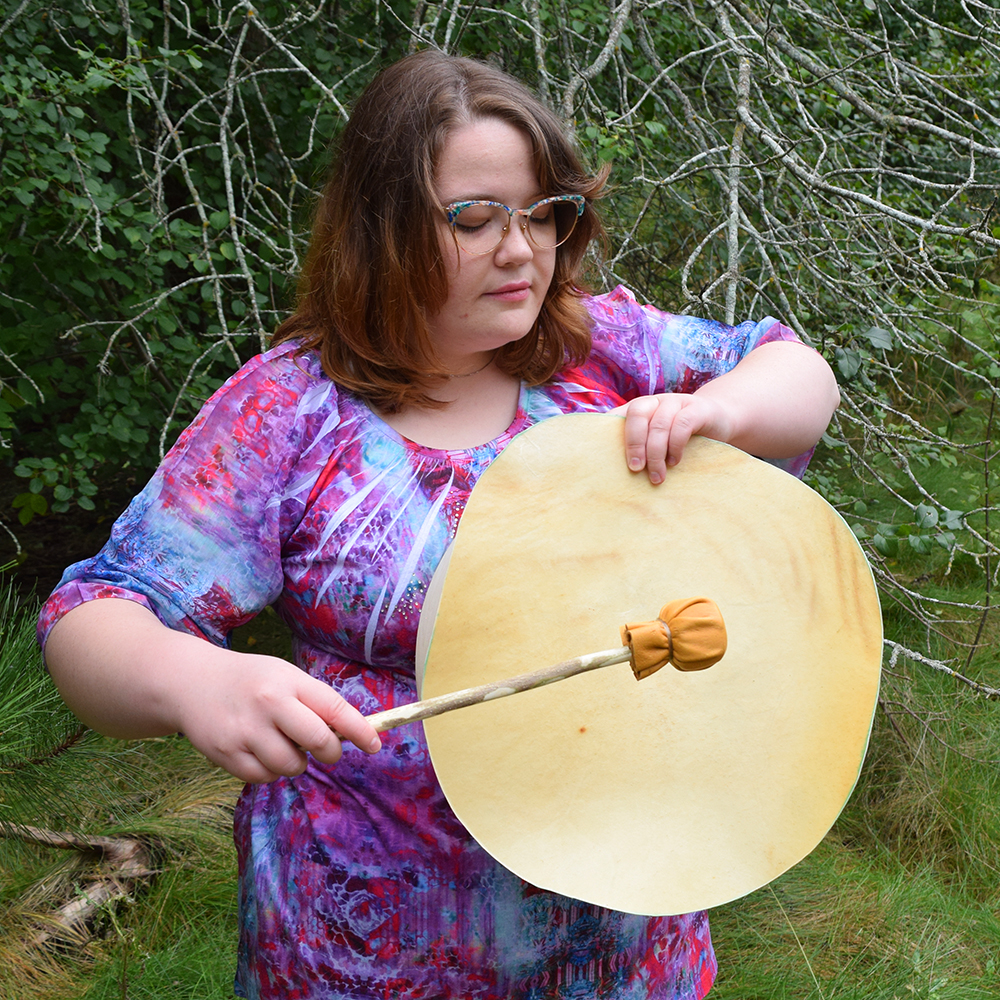
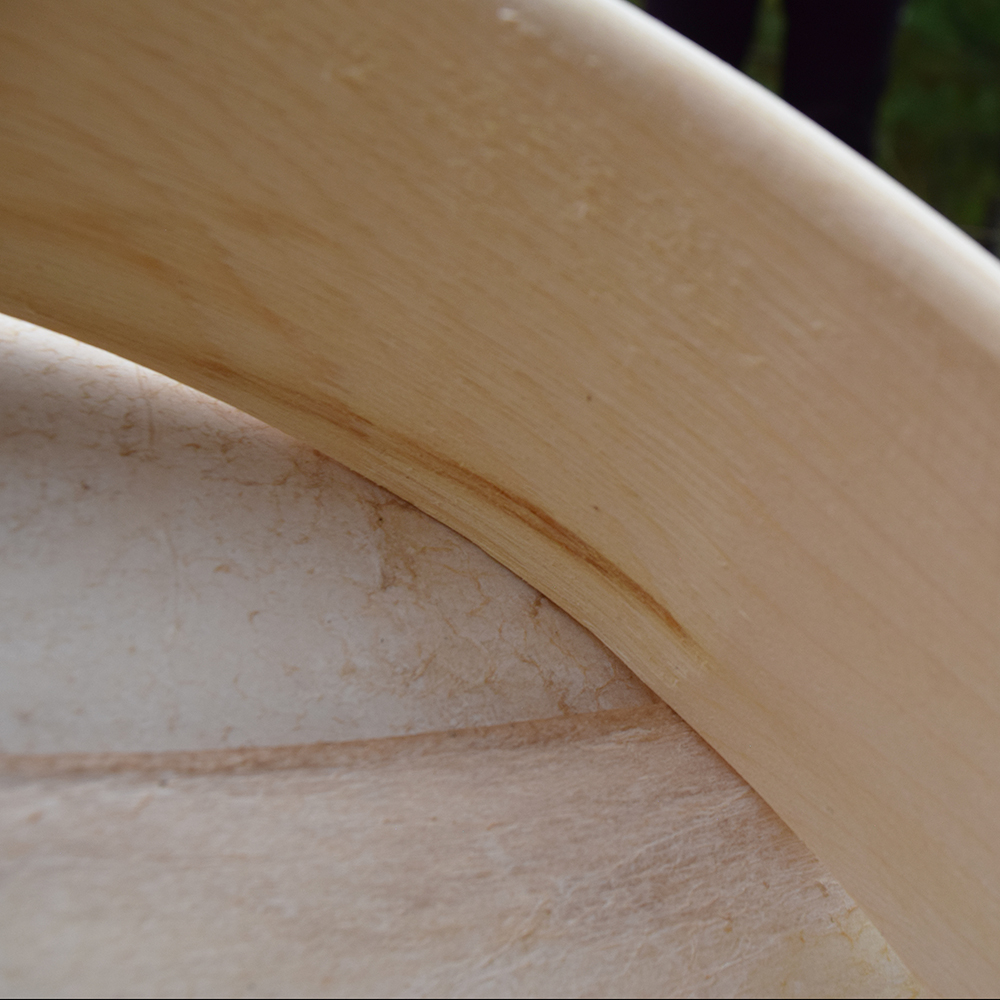
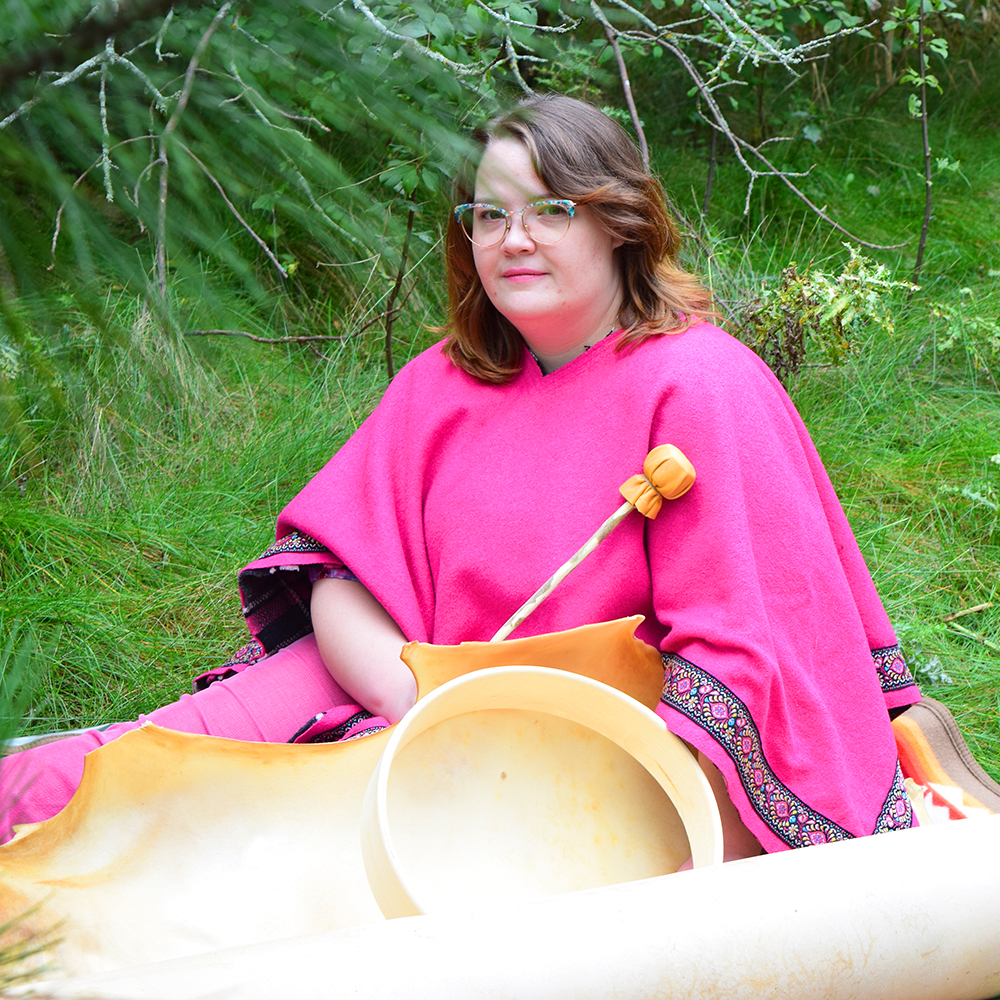
For my new collection of hand painted hand drums, I have been called to use sacred white cedartreewood and elkrawhide. My supplier for these materials is Bill Worb Furs from Winnipeg, Manitoba. I hope this gives an idea of the size of the drums and the raw materials being used. The drum frames are 14″ in diameter.
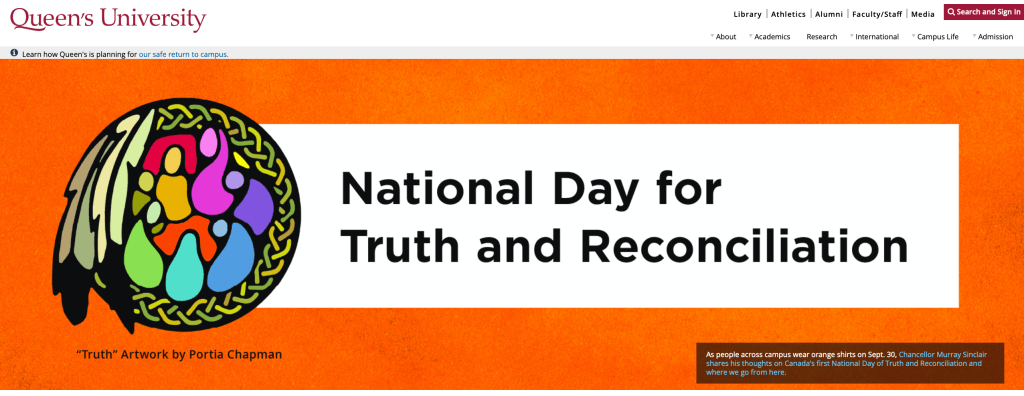
Since I wanted the illustrations to be interpretive, I struggled to provide art interpretations. But as I was creating these images, I could hear and see words. For this illustration, I kept seeing and hearing: “Truth.” But the truth that I kept repeatedly experiencing was not the word, but rather the action and essence of Truth. There were times that I could feel the Sprit of Truth guiding me as the spirit whispered in my ear with faint drumming and singing surrounding us.
As a visual storyteller with Indigenous heritage, generations of my ancestors were silenced as their/our culture was wiped from public display. It was only through story and storytelling did I learn my family’s story. It was because of story and storytelling that I grew to cherish my heritage and ancestry. Our truth may have been hidden from the general public, but it remained alive in our family. Now with my aging family, so many have died but their story is alive as ever.
In the illustration, you will notice a circle of people sharing stories of TRUTH. At the top of the gathering circle, there is a pinkish, larger figure. To me, she represents both Spirit and Clan Mother / Grandmother. She exudes story and the embodiment of truth. She is active and alive as she shares the Truth with the generations to follow her. The orangish space in the middle is a ceremonial fire gathering everyone together.
So as you can see, “Truth,” tells a living story or storytelling. After everything that has been lost, gained or changed over time, Indigenous STORY and STORYTELLING has continued to tell TRUTH!
As an integral part of the Truth and Reconciliation process, please hear the stories of Indigenous Peoples from across this land. It is through hearing the stories shared that we may all, in Truth, move forward together.
Portia Po Chapman using the “Truth” Zoom / Teams Background
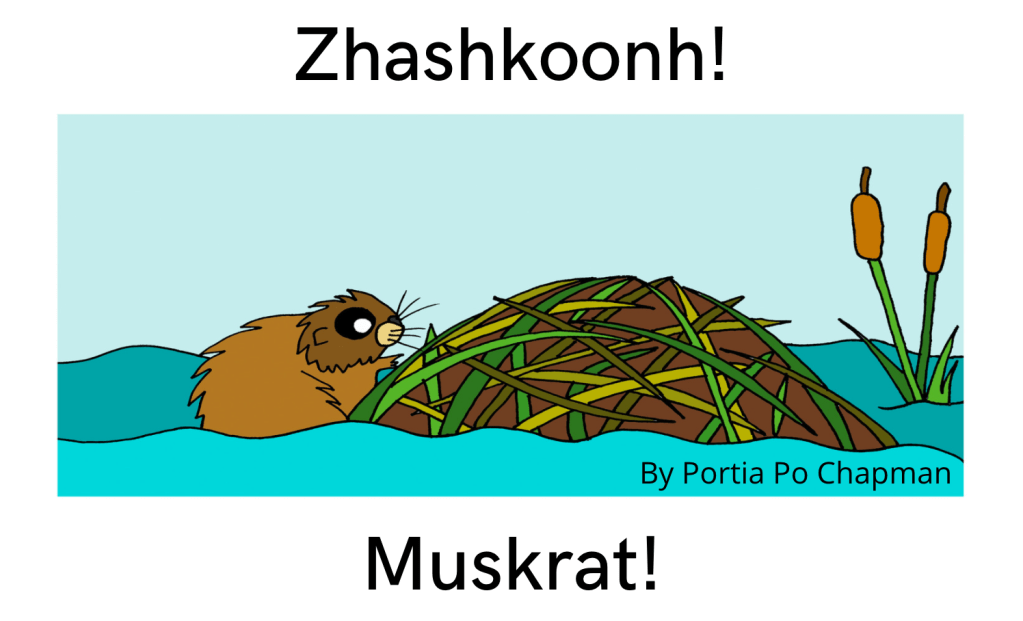
Zhashkoonh ( Muskrat ): Nishnaabemowin Children’s Book by Portia Po Chapman
During the Summer (2021), I began learning Nishnaabemowin. My Trent University Professor was Shirley Ida Williams. Professor Williams wrote the textbook for the course: “Eshkintam Nishinaabemang Mzinagan: Introduction to Nishnaabemowin.” On page iv, Professor Williams describes the dialect as, “The main dialect used in this manual is linguistically classified as Manitoulin Central dialect of Ojibwe and Odawa and is part of Eastern Ojibway and an offshoot of the Mother language of Algonkian.”
It was really exciting to begin my journey learning the language.
As part of the course, I wrote, read aloud, and illustrated my first children’s book in Nishnaabemowin. In this little video, you can read along with me.
Why did I choose to write about the Zhashkoonh ( Muskrat )? As well as being part of the creation story, I enjoyed watching the muskrats as I grew up along side the lake. They always seemed to be a bit more playful than the beavers. While they are tiny, they sure are mighty!
I hope you enjoy reading along with me! Maybe you too can learn few Nishnaabemowin words!
2 weeks after completing my Bachelor of Education in August 2020 (Secondary School Teacher of Visual Art and First Nations, Metis and Inuit Studies) I secured my first teaching position.
I was planning on creating a new collection of woodcut prints inspired by the illustrations I did for Queen’s University, but my teaching position and Additional Teaching Qualification courses occupied my time.
In order to focus more on my artwork, I am teaching less this year (2021/22). As so many of us have found our lives altered by Covid-19, I have found a new breath of creative energy.
If there ever was a time to create, now is that time!
I will be posting more of my art process and documentation. Please continue to check in.
I have 3 projects that I have begun. Well, some of the materials have arrived. I’m really excited about this year.
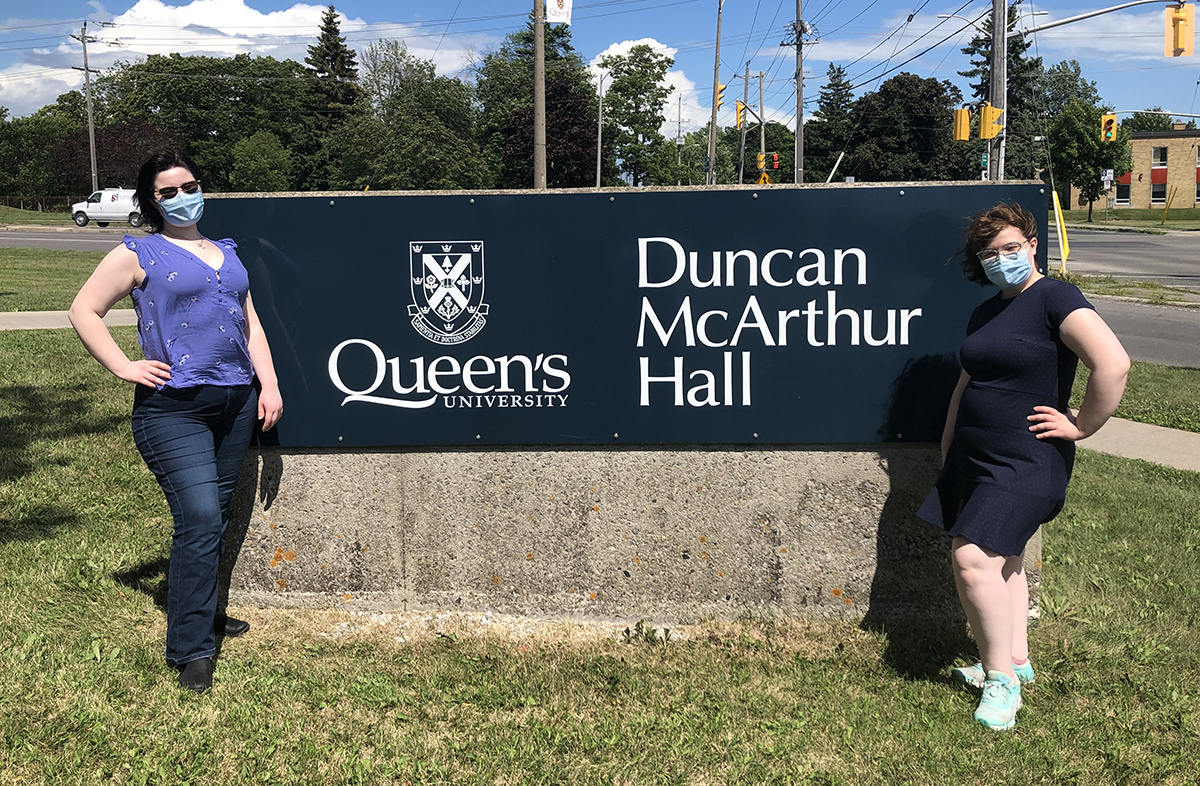
Yay! I have finally completed my 5 year long Concurrent – Bachelor of Education (Artist in Community Education Concentration) program at Queen’s University! I have earned my two Intermediate – Senior teachable subjects in Visual Arts and First Nations, Métis, and Inuit Studies. I have grown a lot since my start in the program in 2015. I was so happy to spend the final year of the program with my sister Jasmine (BEd – Communications Technology). Not many sisters get to do their BEd together. Many call us the “Sisters in Education!”
I am so grateful for my practical and theoretical knowledge gained over this degree journey. I can’t wait to start teaching this fall!
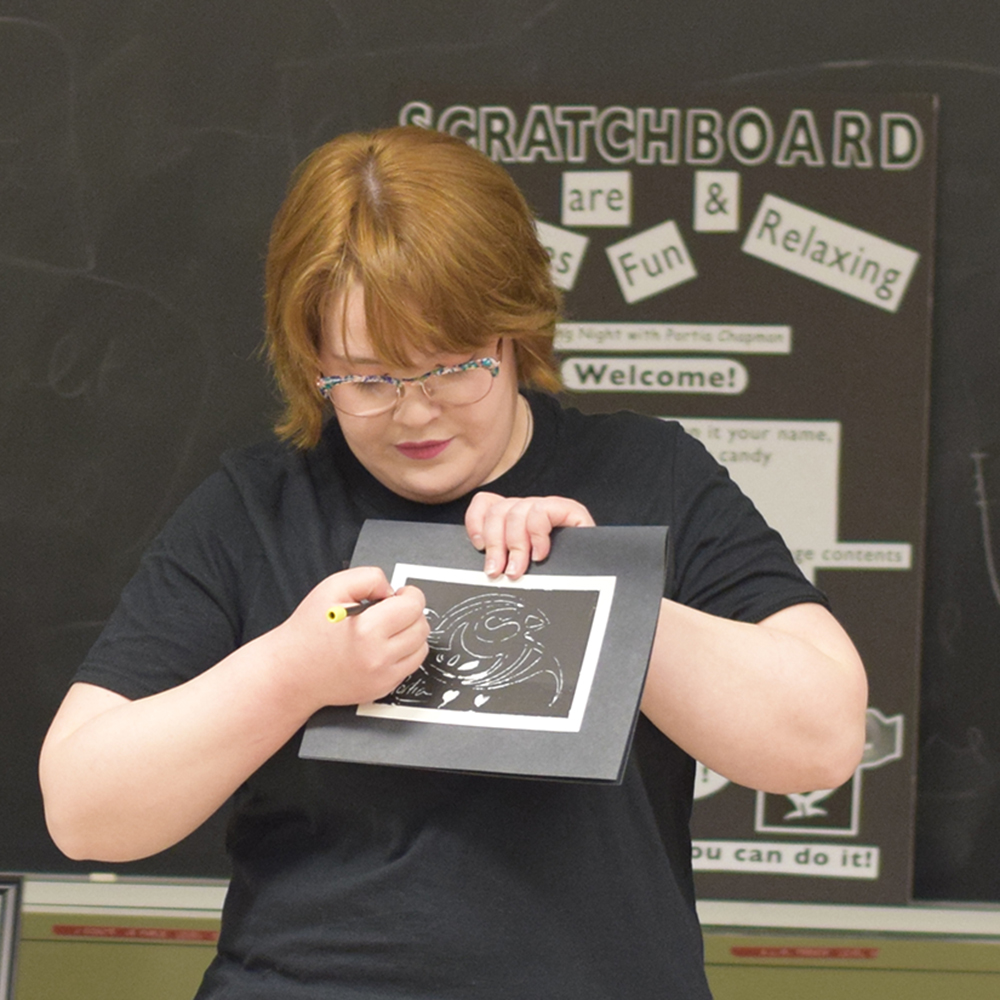
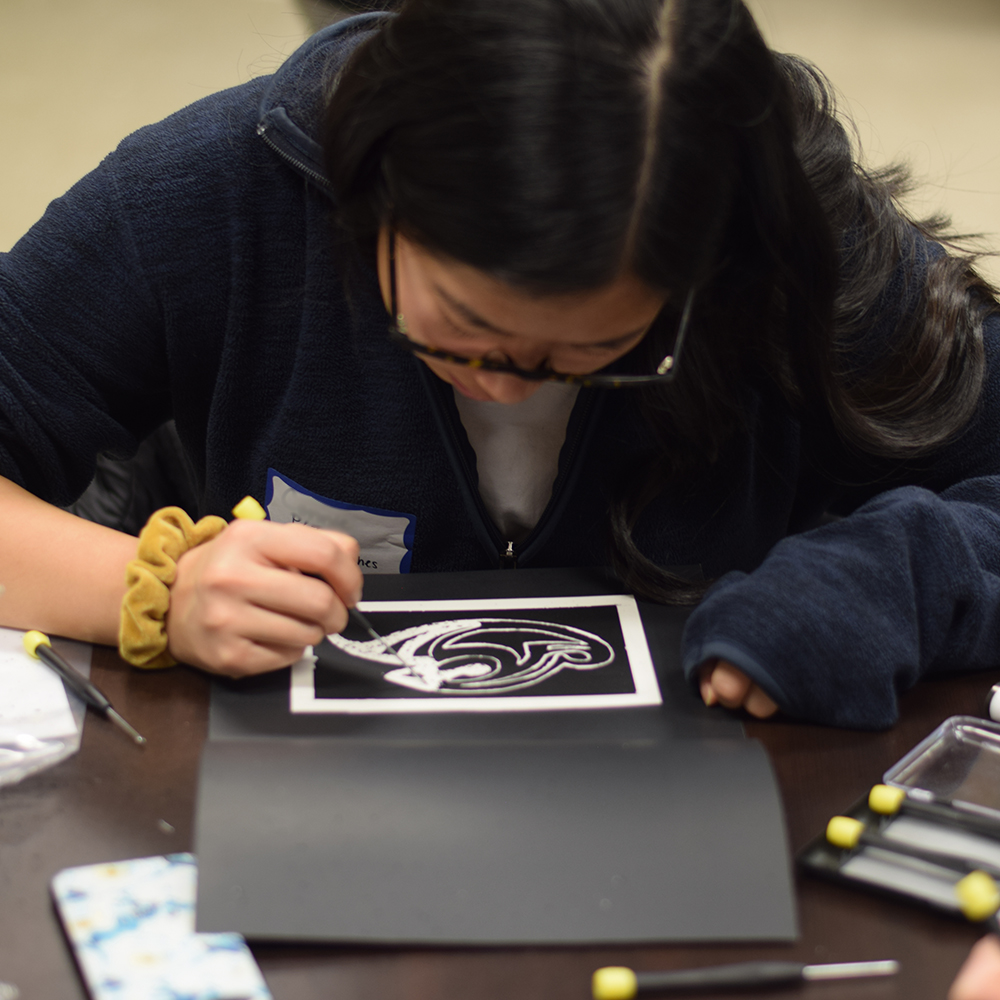
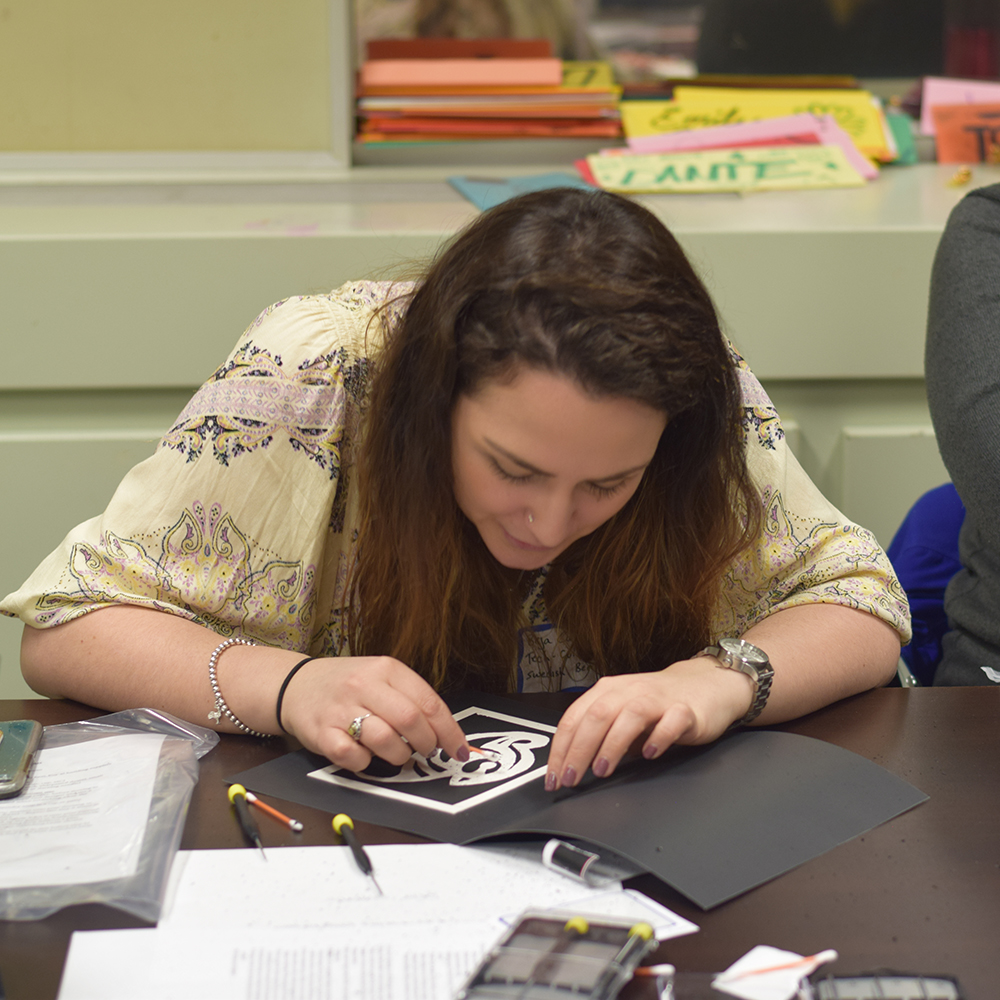
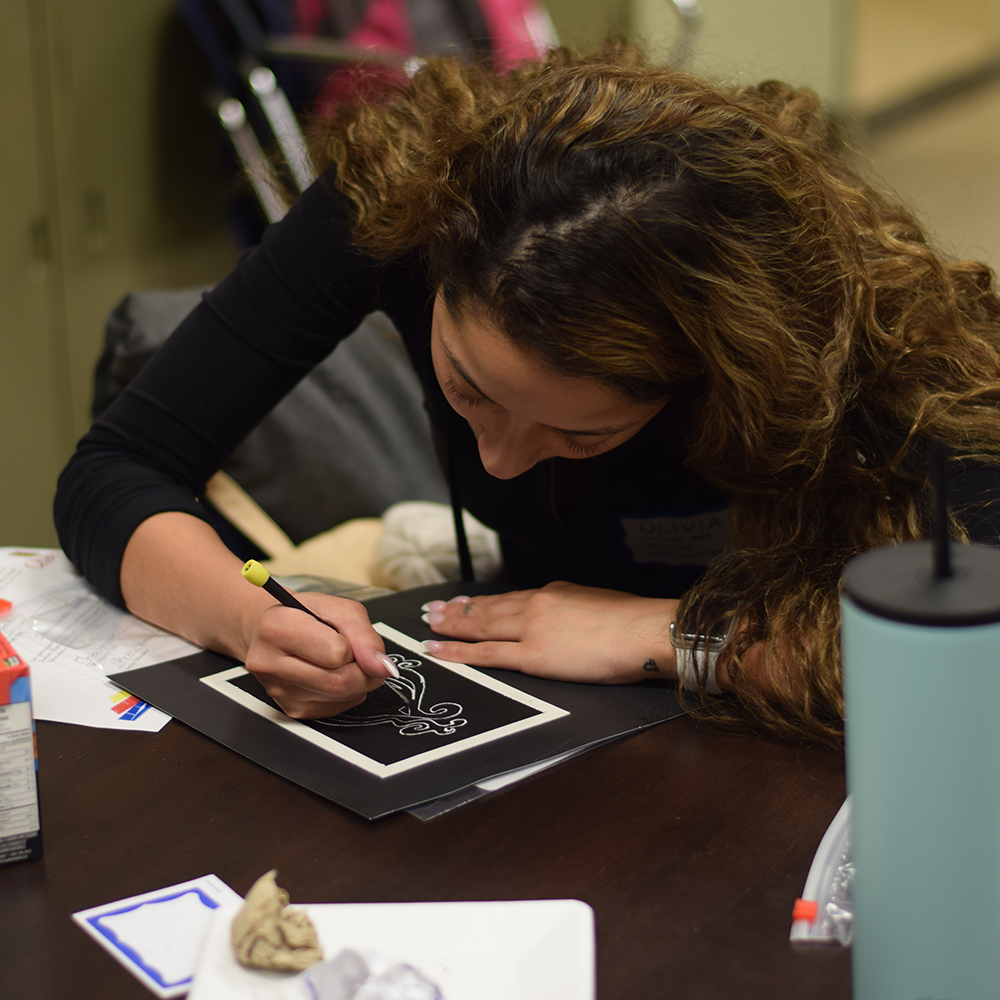
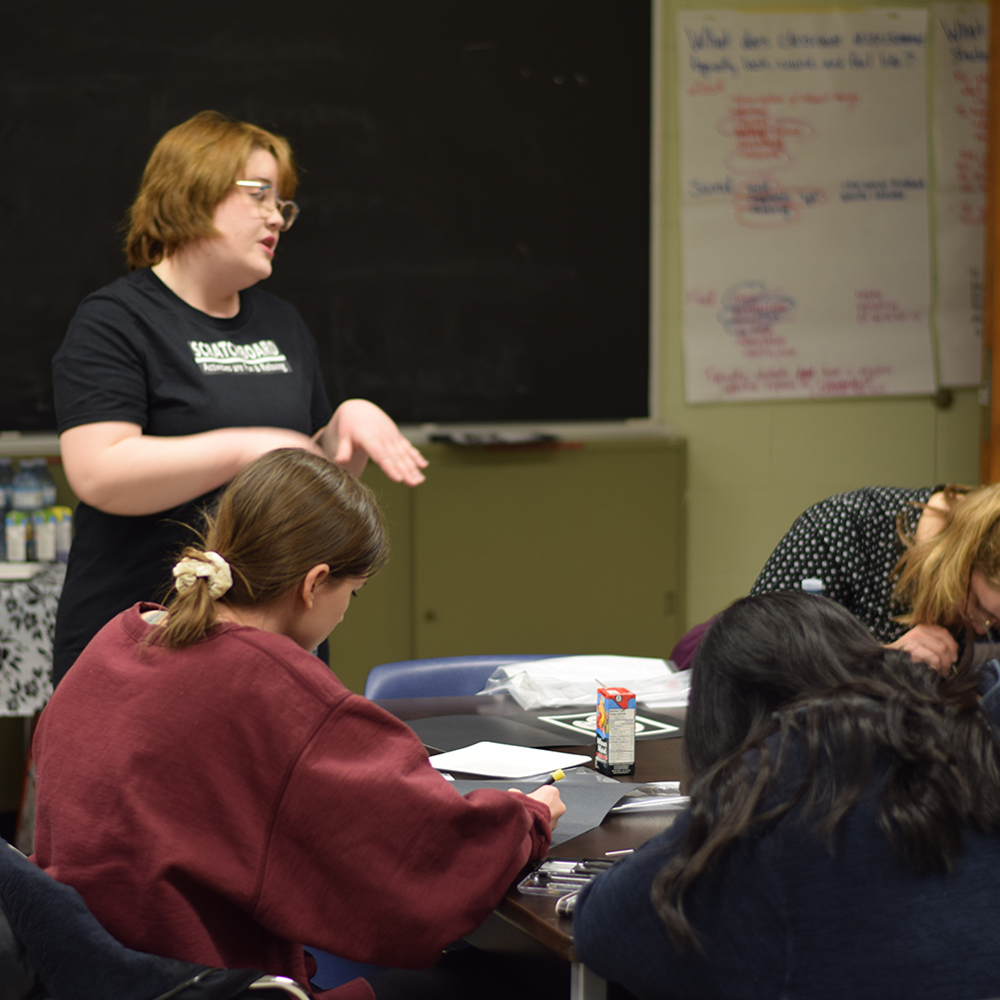
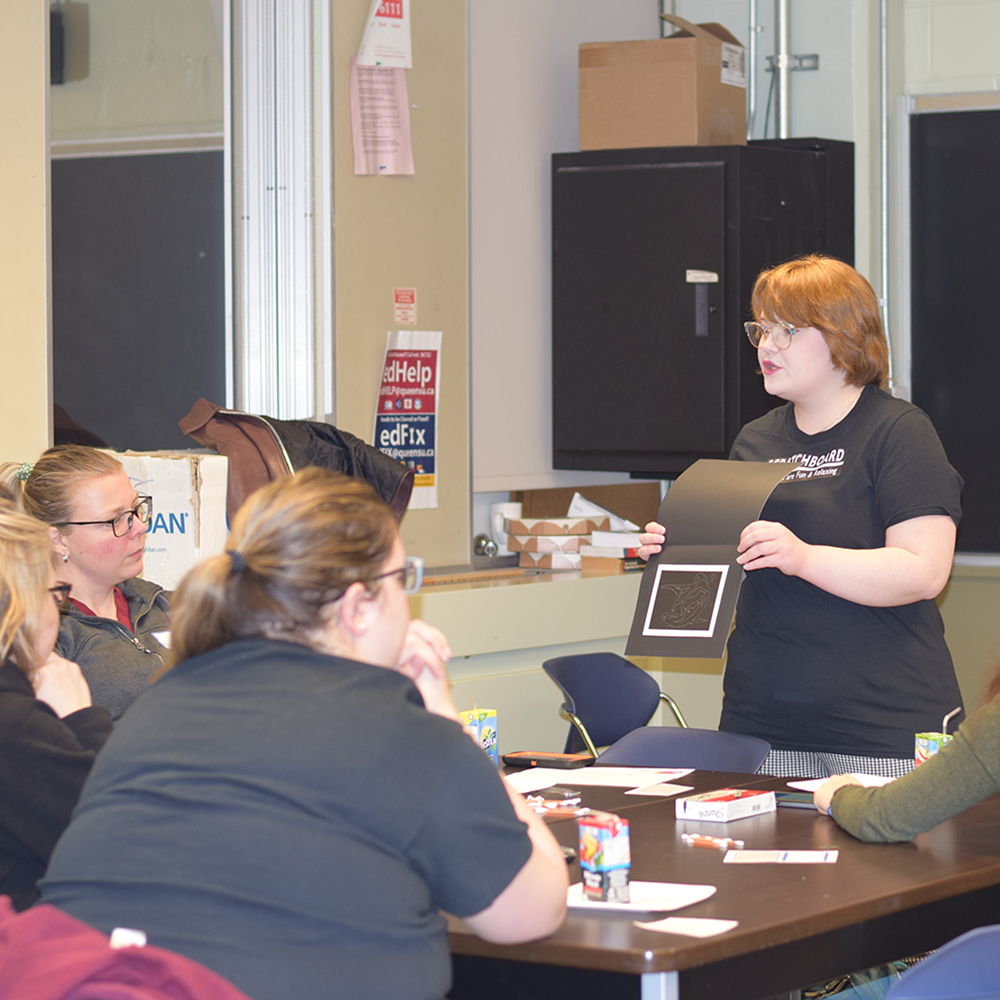
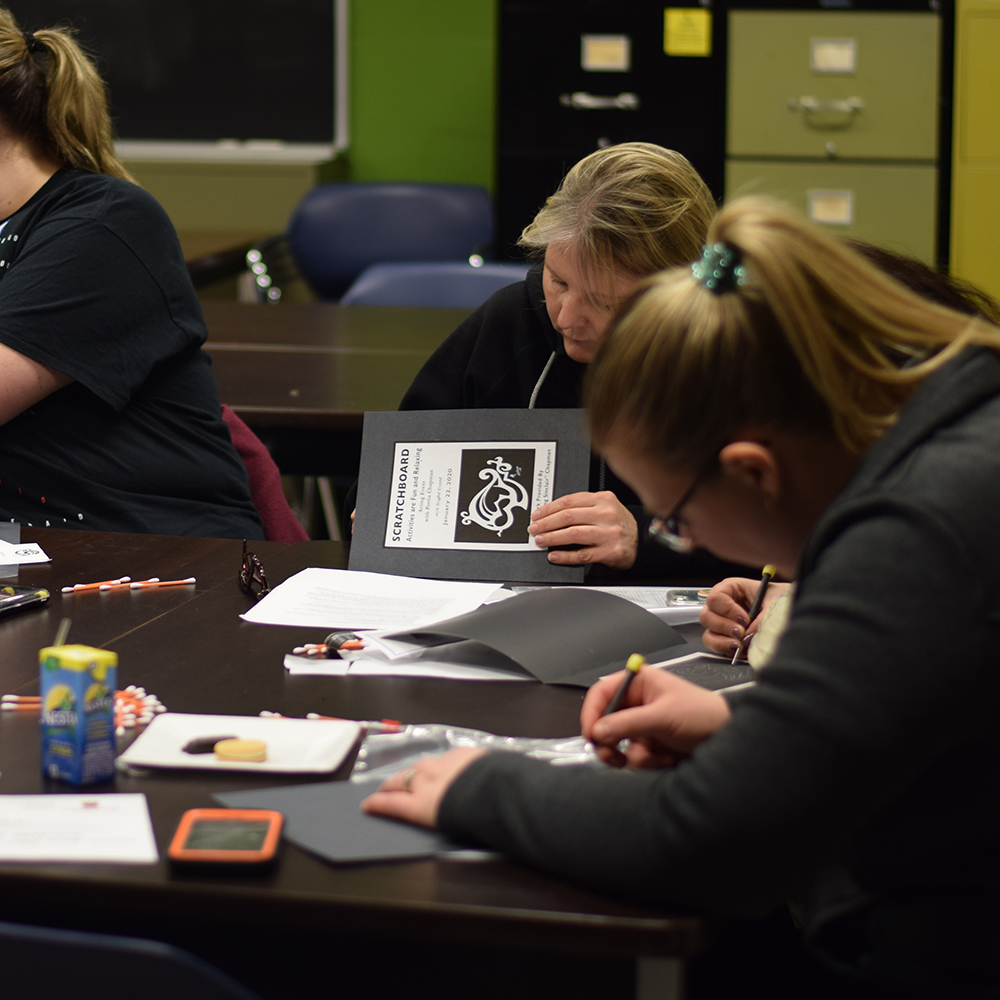
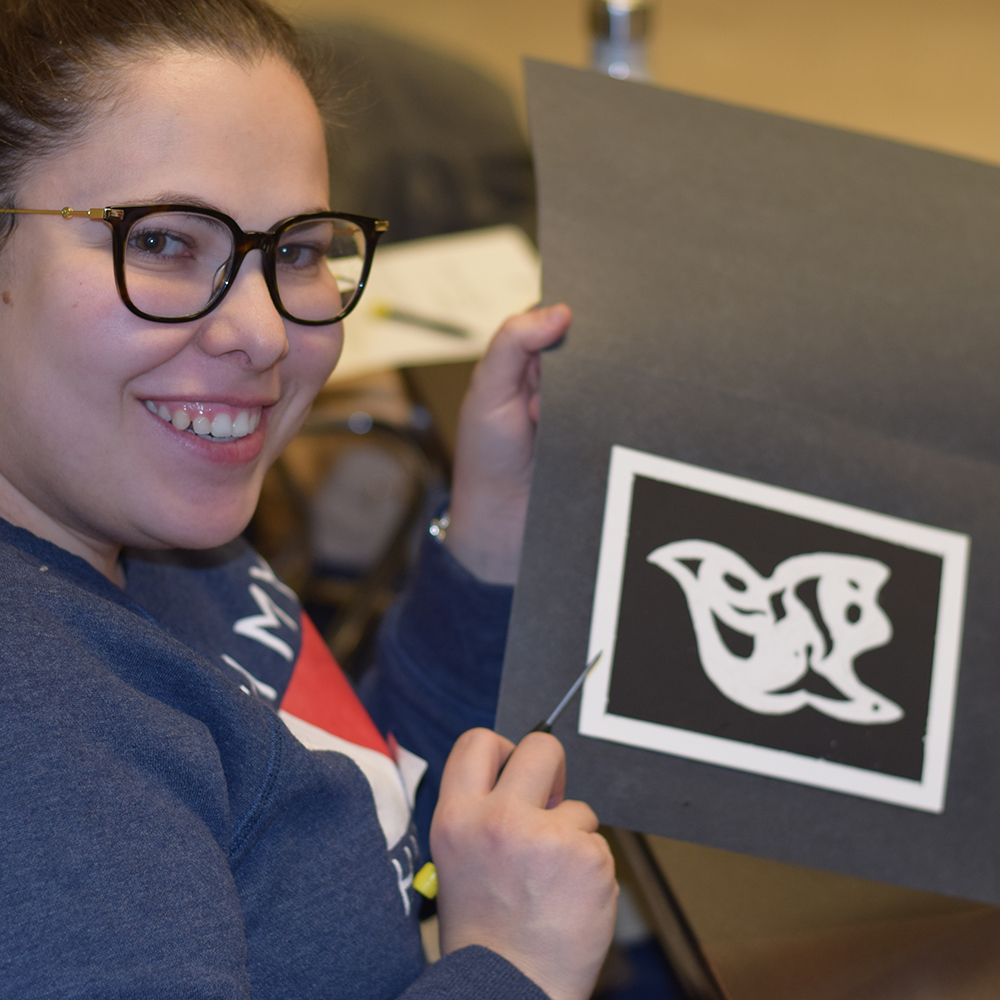
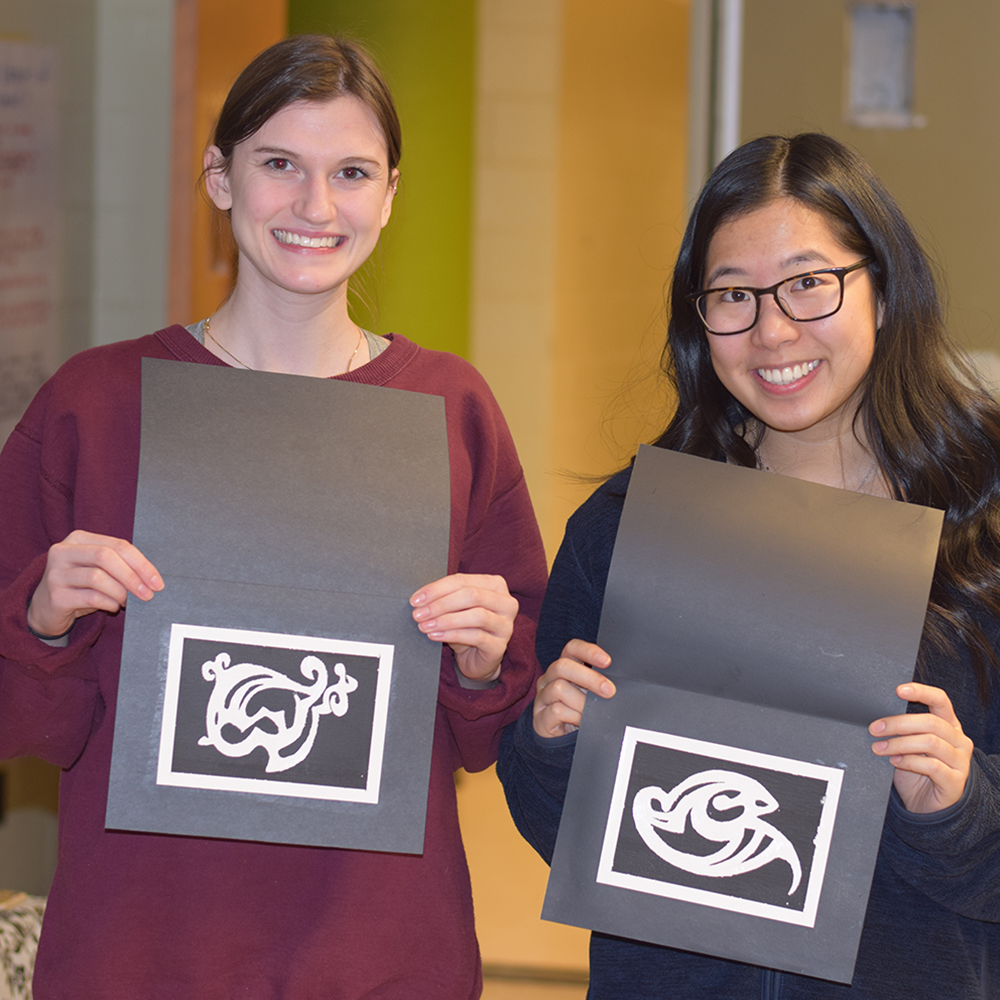
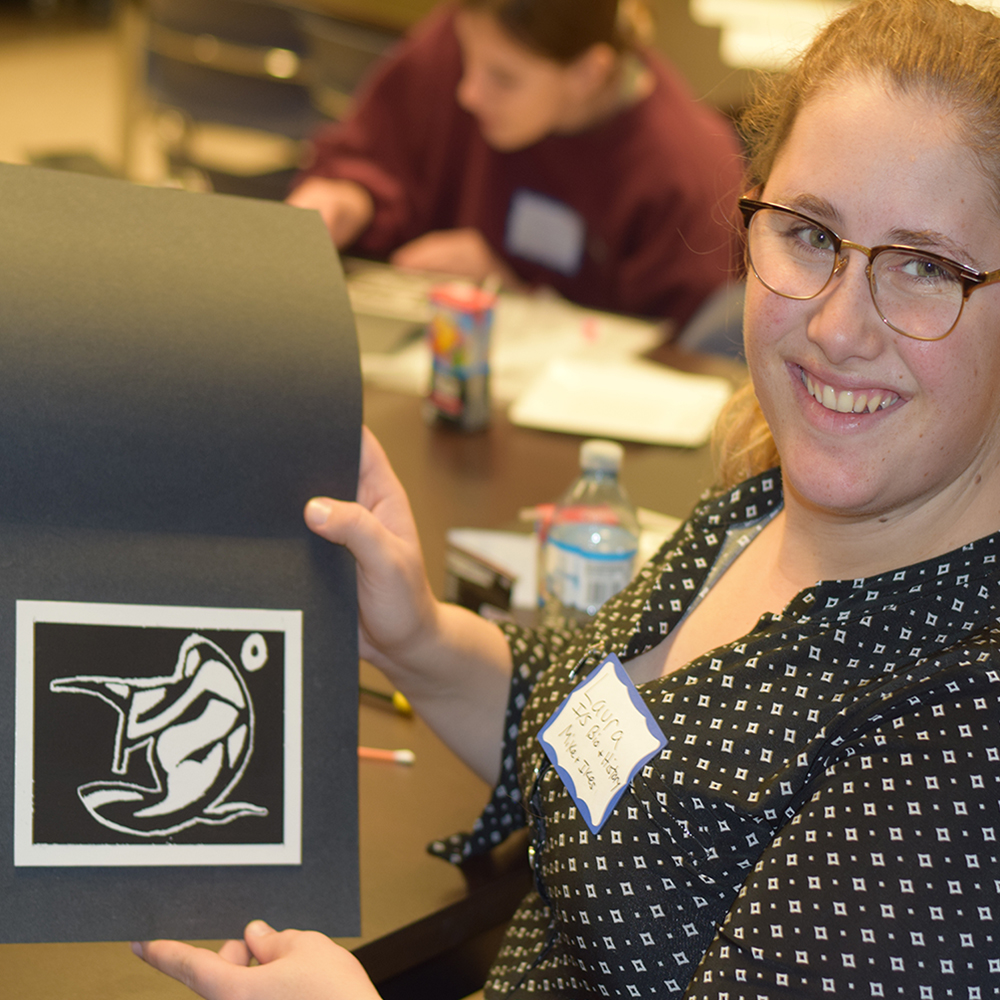
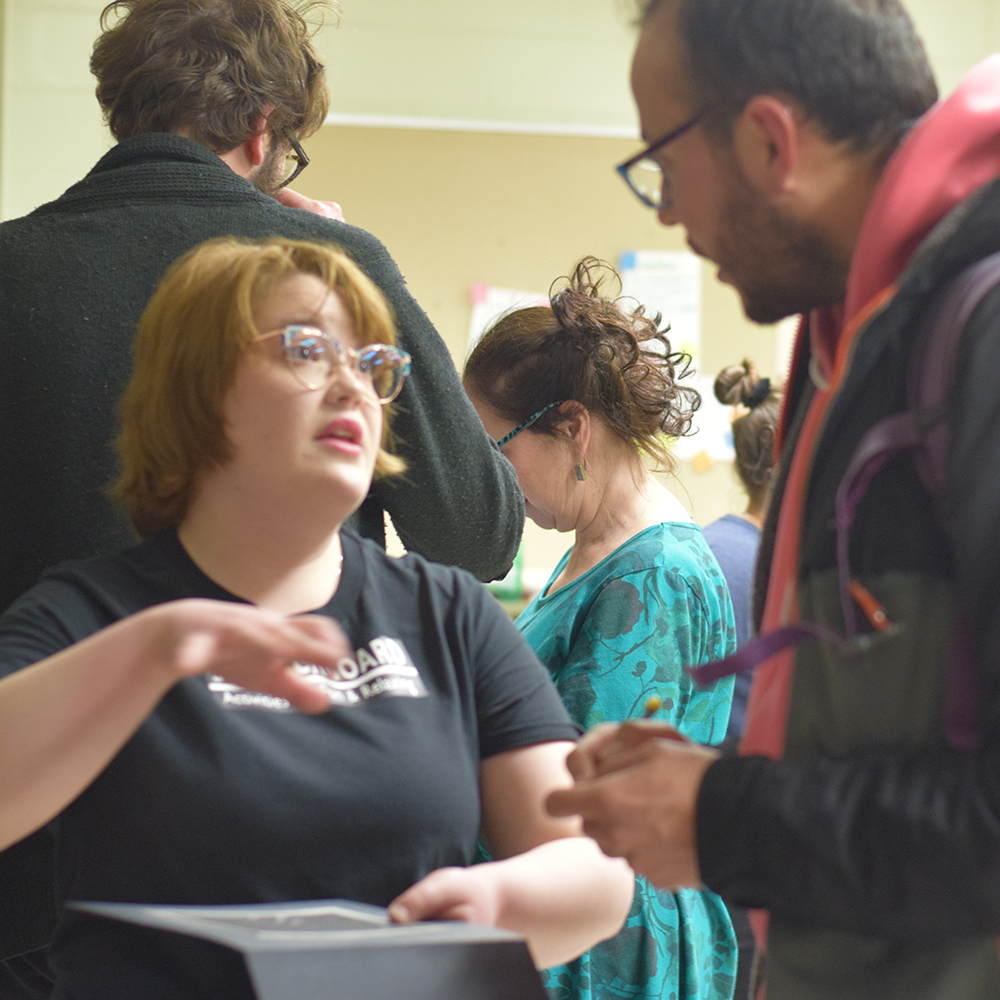
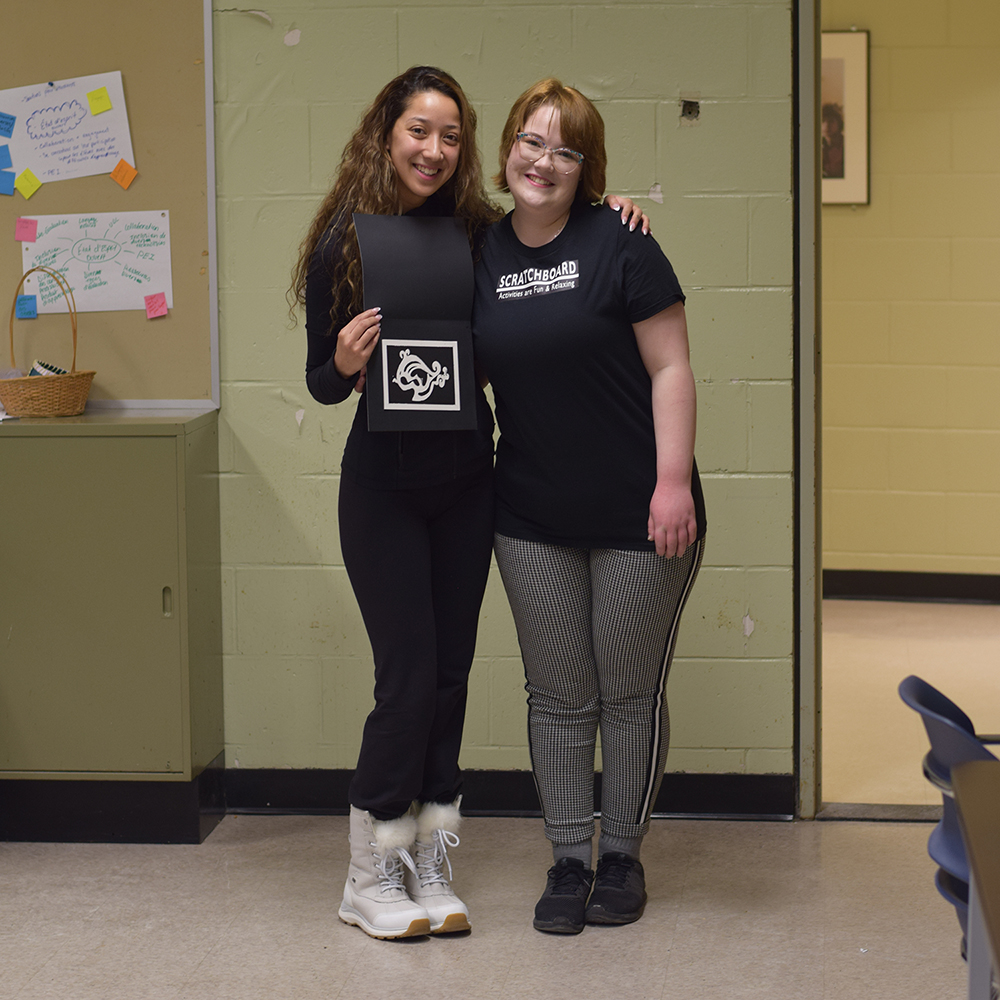
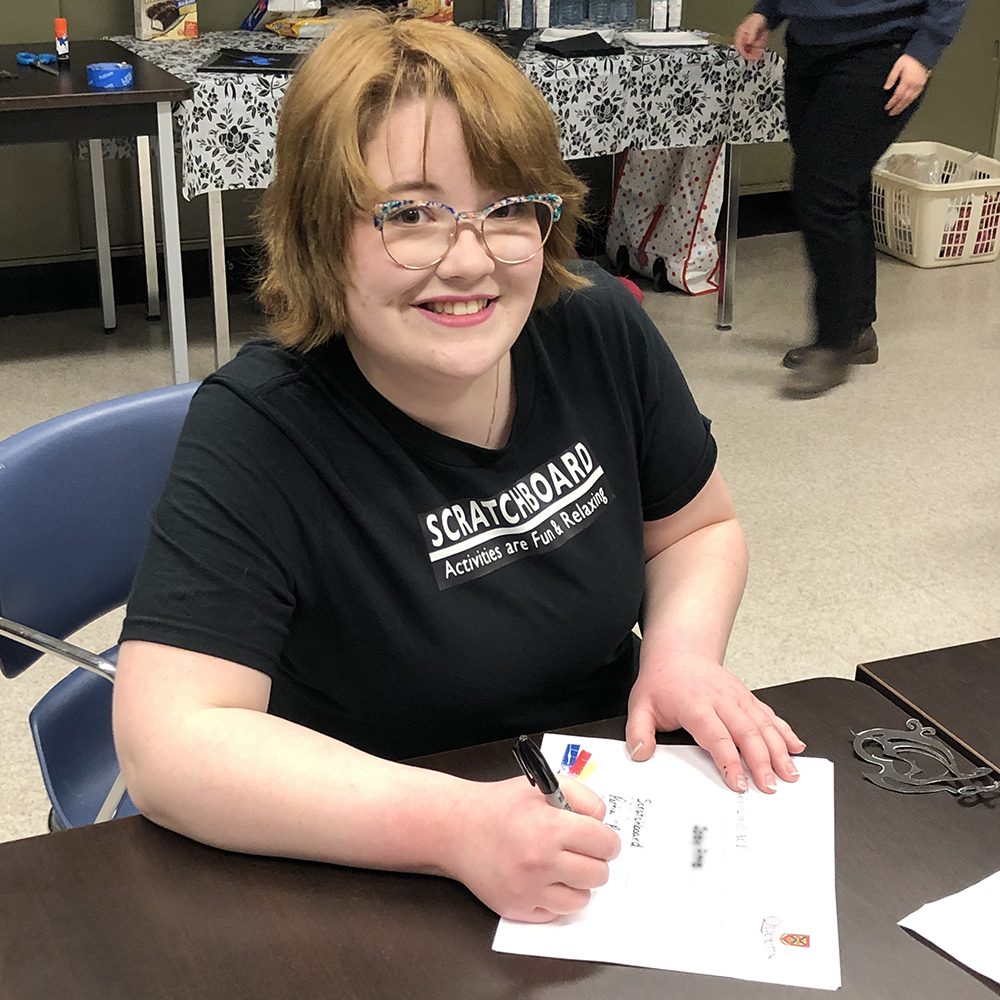
Basically, an arting is a brief art workshop, often only one night and for one art project. Our scratchboard arting was 45 minutes. Participants were able to start and finish their art pieces in this brief time together. It was so nice to see so many happy faces as participants left with their own finished artworks in hand.
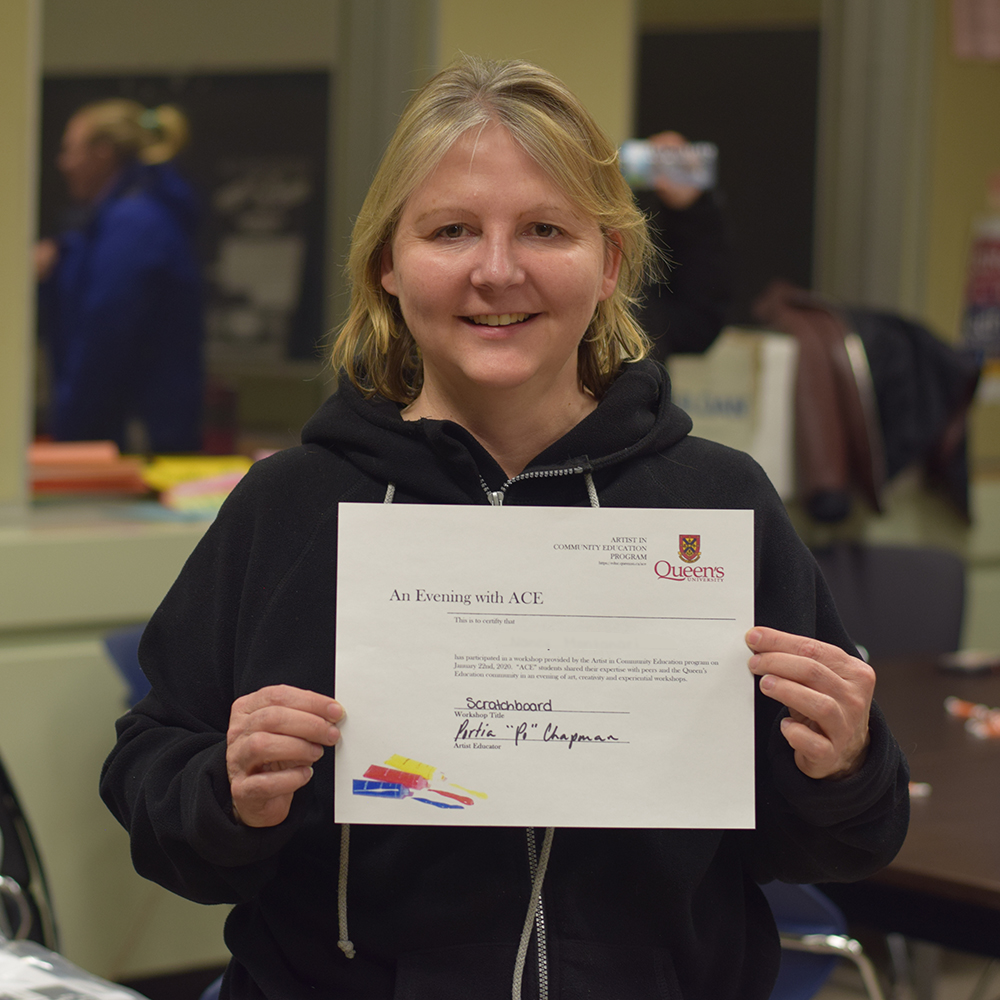
Before participants left to mount their artworks at home, each participant received a certificate of completion. I can’t wait to host more artings this fall.
Thanks:
I would like to thank my supportive sister Jasmine Chapman (BEd CommTech) for photographing this event for me. Not many sisters get to do their BEd together – but we did!
I would like to thank my ACE professor Aynne Johnston for integrating this fun arting opportunity into our concentration. Artings are so fun, productive, and only take a short time to do. If we all took an hour to create each week/month, just imagine how we could beautify our world together.
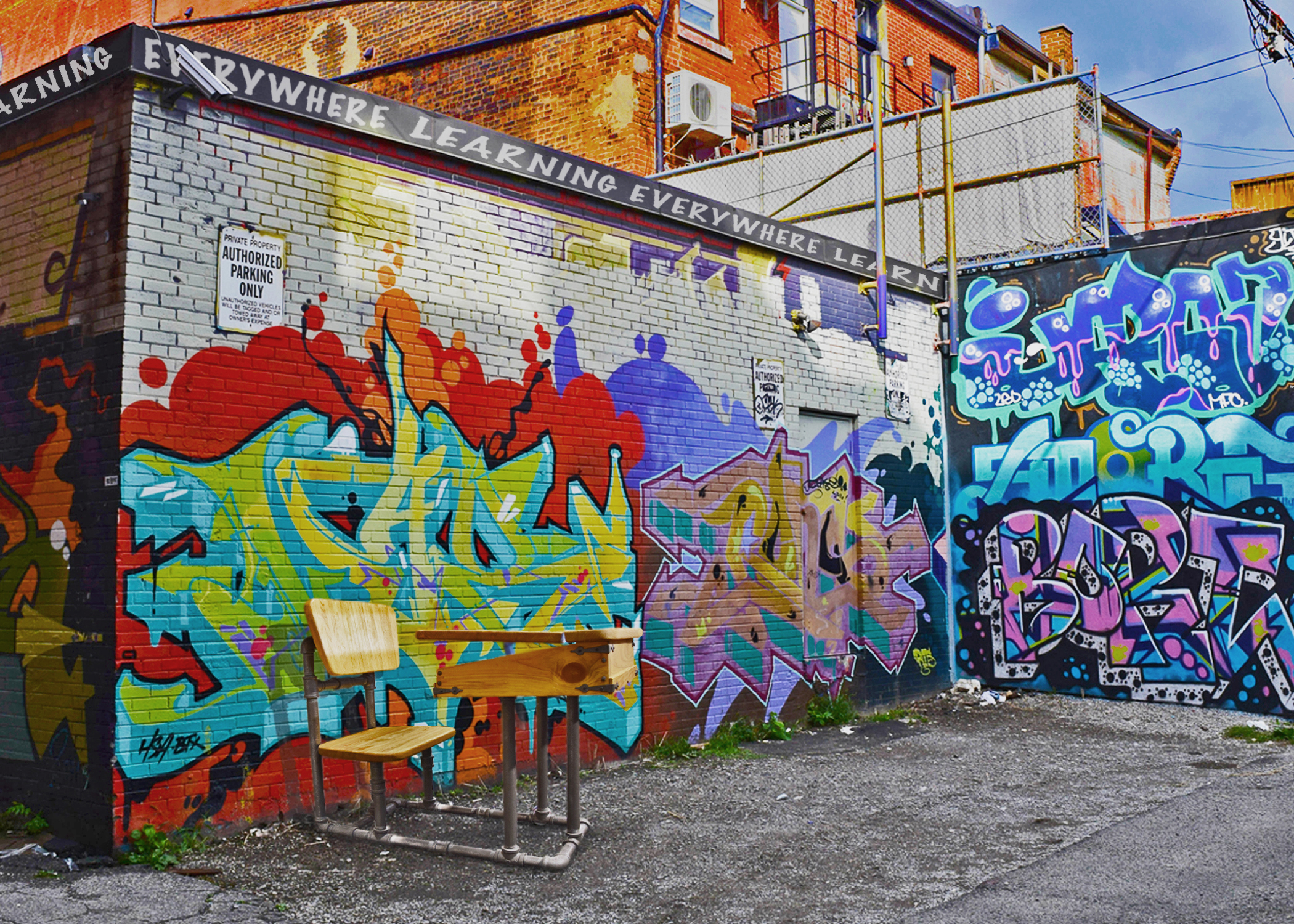
“Desk” was Digitally Inserted into My Photograph – Windsor, Ontario
As an Art Teacher and Teacher of First Nations, Métis, and Inuit Studies, I hope to take “Desk” on a learning tour. Covid-19 has taught us that learning happens everywhere in life – if we are willing to learn. The classroom suddenly became our living rooms, bedrooms, and even our cars.
We kept learning during a time that prevented us from going to the school building. I want to take “Desk” on a journey across the country.
A moving journey across our great land whereby each stop along the way invites people to sit at “Desk” and to tell their stories of learning. I really, really like school – sharing, learning, teaching, and so much more.
As the artist, I so aspire for “Desk” to remind all of us that we must not move backward – we must keep moving forward. Learning is everywhere and learning flourishes when we share our stories together.
“Desk” was Digitally Inserted into My Photograph – Toronto, Ontario
This is “Desk” in the studio:
“Desk” by Portia “Po” Chapman, 2019 – In the Studio















 Love Art by Po