Portia Chapman, Portia Po Chapman Frames and Stretchers

Behind the Scenes: Building Frames and Stretchers

Portia Po Chapman On Making Frames and Stretchers

Behind our favourite paintings exist an unseen construction that without, much of the art world would remain rolled up and stuffed under artists’ beds.

Transportable paintings need mounting materials.

How tight to stretch a canvas varries in options almost as the number of artists who use them. I still like to use a dollar store stretched canvas and water stained, a warted canvas board in a pinch. Us artists just have to create. Even an old bed sheet held down on the grass with rocks will satisfy our needs at times.

I grew up in a home adorned by ongoing art projects. As children, our drawings on the walls were never punished. My parents didn’t even pick up a bottle of cleaning spray. My parents would be so proud. You’d think a scribble I did on the foyer wall was their new Mona Lisa.

I was always welcome, no matter how young, to sit in on adult oriented art events and courses. One time, my dad gave the participants each a cup of black paint, a brush and led them to an inner foyer of our home. I walked proudly with my cup and brush. When we all entered the room, he instructed about 8 of us, “Paint.” The class was aghast at the instruction. Confusion as to what and where was accompanied by a laughter and a dash of delirium. What surface should we paint? When everyone just stood there shoulder to shoulder in an oblong egg shaped formation, he took my cup and brush and painting a long swath across the wall. “Here, now paint! Let the spirit of creativity move you.” You see, he had been planning this exercise for months without telling anyone. The walls were stuccoed and sealed with an opaque, non-script grey. I hated those grey walls. After that night of painting, a really special energy adorned that space. It was impossible to enter his studio without walking through it. That night, as a community of creators, we created a creation that greeted hundreds of people. Behind that collective art piece was a prepared framing of what would be a very special welcoming space. After a few years, it hit me, “ahh, now I know why he built that space in the shape it was – smacked in the centre of our artsy home. He wanted everyone to see our art.

I remember when I was about 7 years old when we took off the kitchen cupboard doors. We had very little, if any, money. The cupboards remained without doors for years. Our family has been unwilling to sell them, even though the offers for these impromptu paintings on cupboard doors still have the hinges mounted or hanging off them. One time, we didn’t even have paint. So we rigged up a medium and surface to hold that medium. The painting is a bit of plaster, a dash of purple house paint and all kinds of different spices and sugars for colour and texture. As a family, we did what we had to do. Even when it felt like the world was closing in on us, we found some way to keep creating. I spent hours upon hours searching for the right rock or tree bark to paint or use in a construction. From a young age, I learned that the proper frame, stretcher, surface, or background could be found for any art creation.

After about 2 years off of creating full-time due to education and teaching pursuits, I had to get back at it. I just had to. I considered a few options but I needed to build. I needed to get my hands dusty and covered with filler and paint. As I was going through my artistic idea journal, I was drawn back to drums and exterior wood and paper sign board. As amazing as it sounds, as soon as I found my place in my art-space of mind, commission requests came to greet me and my new drum collection found its voice.

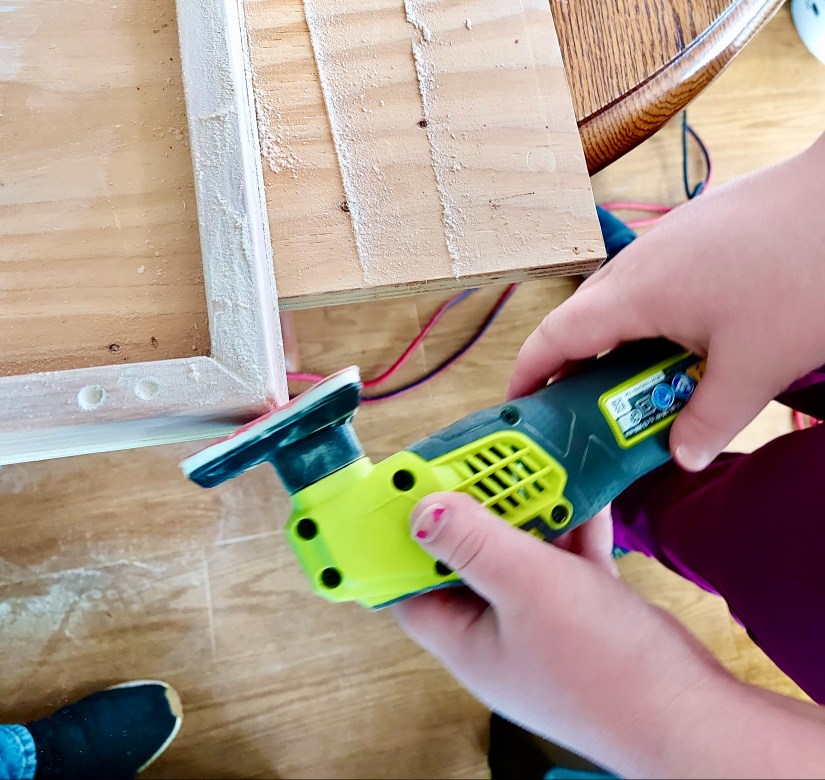
In the following pictures, I have included some snapshots of my frame and stretcher work for these new art pieces. I am having the time my life. So much fun and so fulfilling to prepare the pieces to be painted.

Portia Po Chapman Artist Making Canvas Stretcher Sanding Frame Belleville Ontario Canada
Portia Po Chapman Making a Canvas Stretcher for Her “My Creation” Mural: Sanding Stretcher
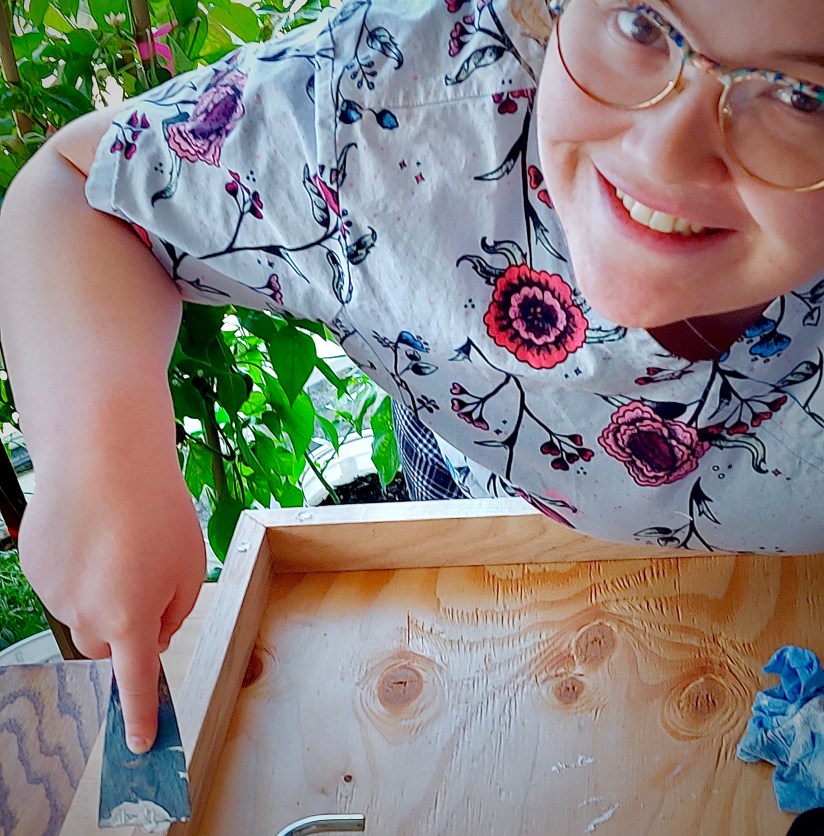
Portia Po Chapman Artist Making Canvas Stretcher Filling Holes Belleville Ontario Canada
Portia Po Chapman Making a Canvas Stretcher for Her “My Creation” Mural: Filling Holes
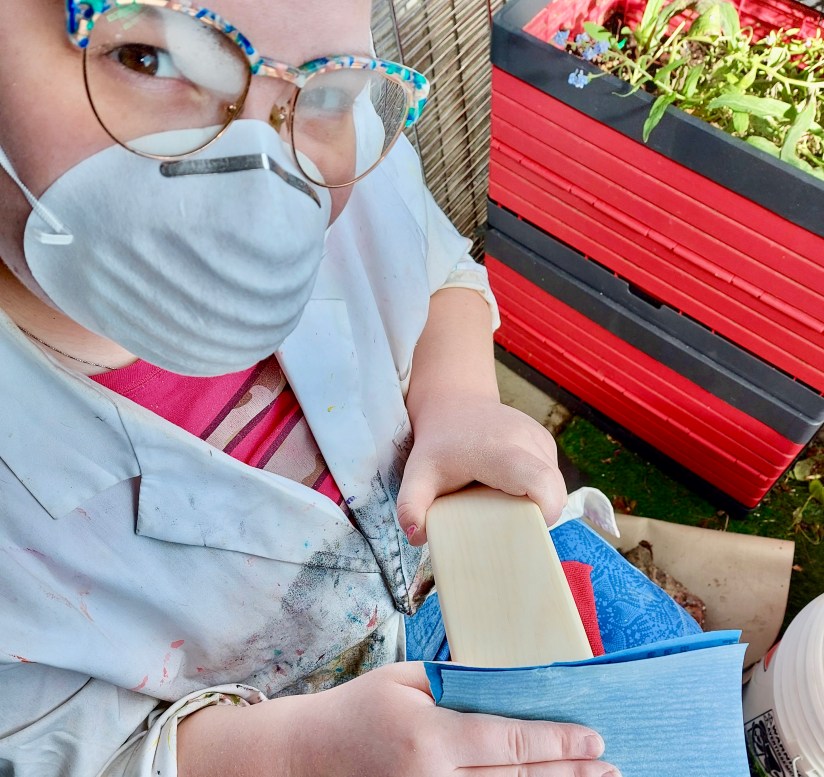
Portia Po Chapman Artist Making Hand Drum Sanding Frame Belleville Ontario Canada
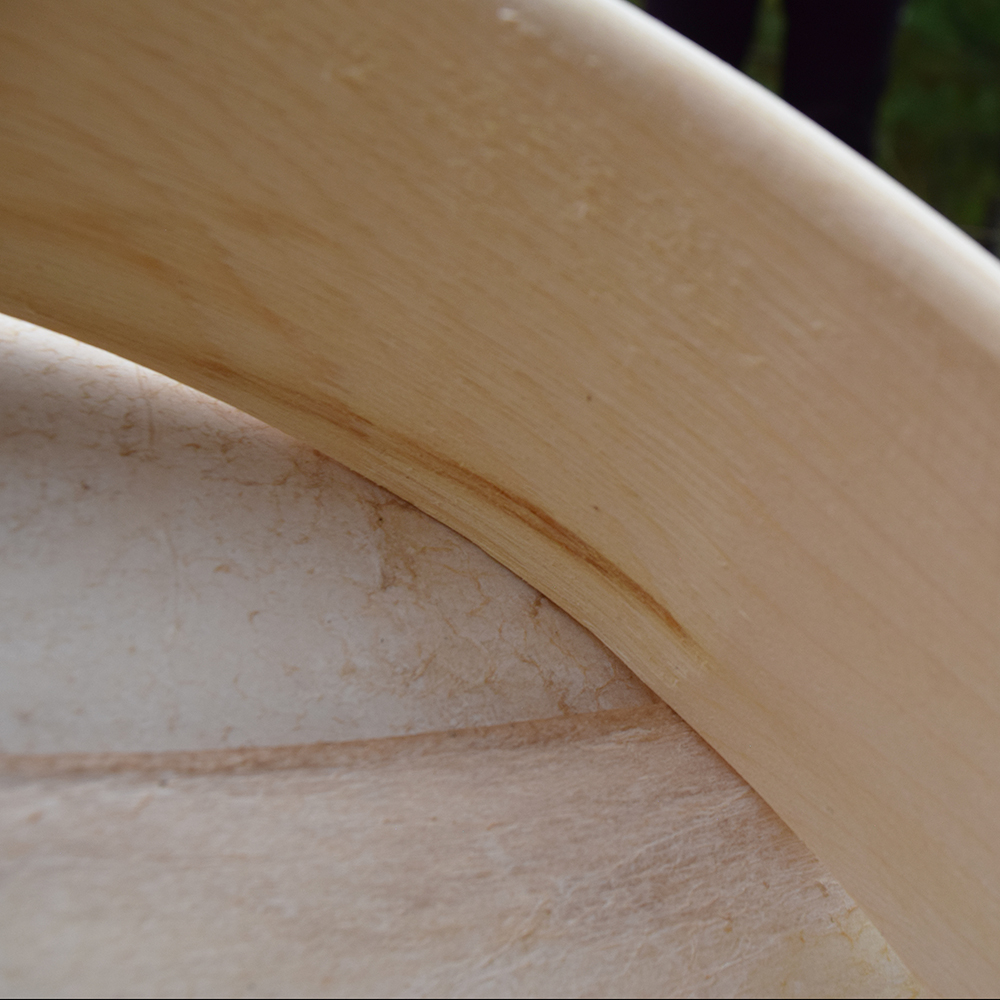
Portia Po Chapman Sanding a White Cedar Drum Frame

Contact

โ† Back

Thank you for your response. โœจ

Warning
Warning
Warning
Warning.

Belleville, Ontario, Canada
portia@loveartbypo.ca
613-779-7975

Portia Chapman

Portia “Po” Chapman Begins Painted Hand Drum Trials

Portia “Po” Chapman Begins Painted Hand Drum Trials

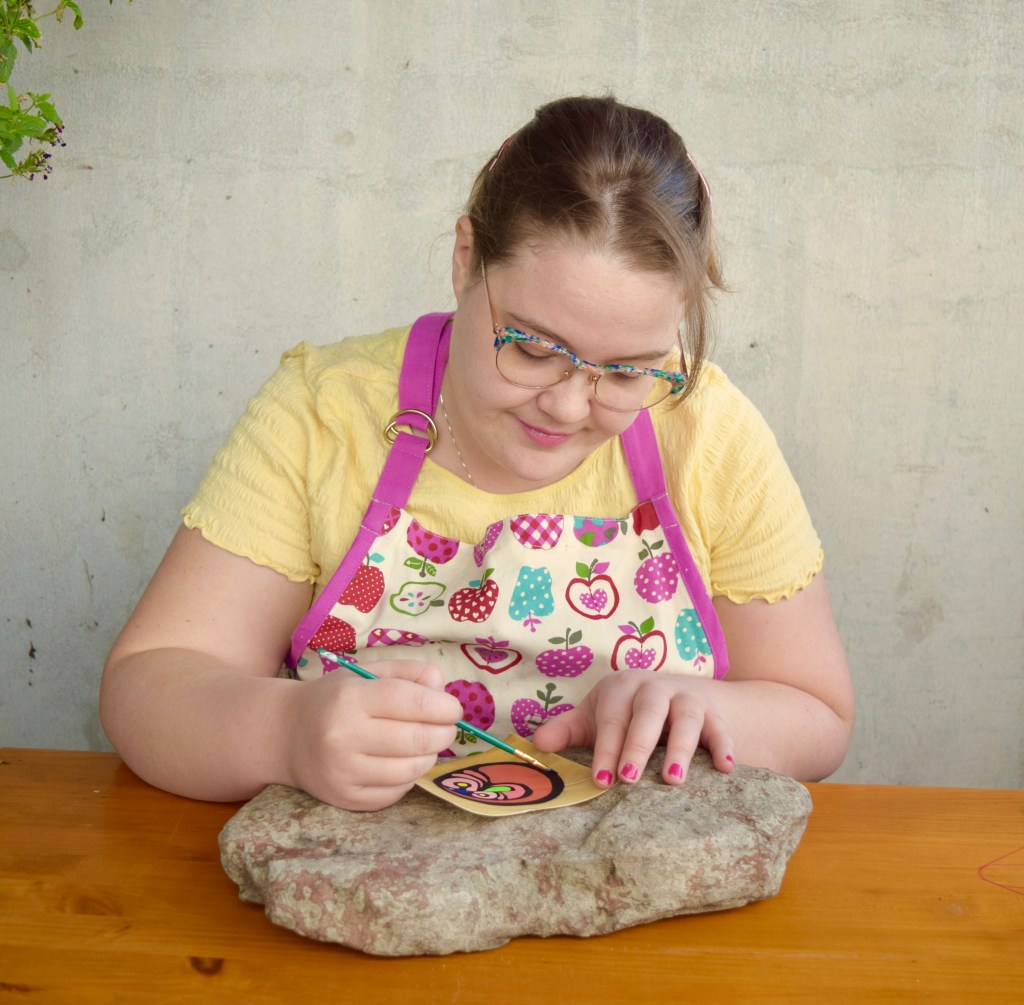
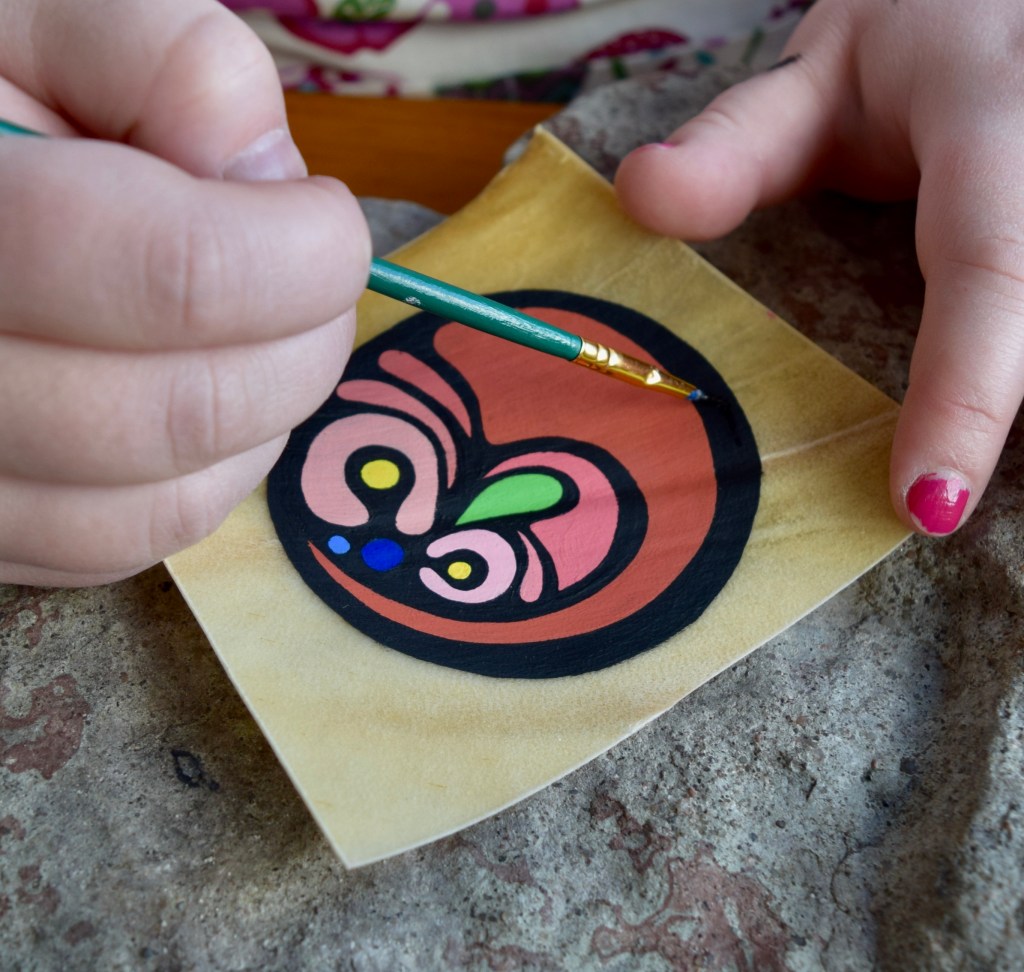
Portia “Po” Chapman trial painting on elk rawhide.

I am excited to announce that painted hand drum trials have commenced. After experimenting with a variety of different mediums and paints, I finally found the paint that is right for me and my new painted hand drum collection. Golden’s new SoFlat matte acrylic paints glide beautifully on the surface of the elk rawhide as if a perfect marriage between the two mediums (Golden, not a sponsor, but I would be glad to accept a sponsorship from them ๐Ÿ™‚ ). The paint’s self levelling qualities allow for intense pigment while keeping the natural integrity of the hide’s textures. The paint is also flexible enough that I could almost bend the hide in half without the paint cracking, allowing for the flexibility required of a hand drum. While the paint is amazingly opaque, when the painted hide is held up to the sun, you can still see the light shine through it. My patrons will be very pleased with the quality of their new hand drum.

Portia “Po” Chapman painting with Golden SoFlat acrylic paints on elk rawhide.

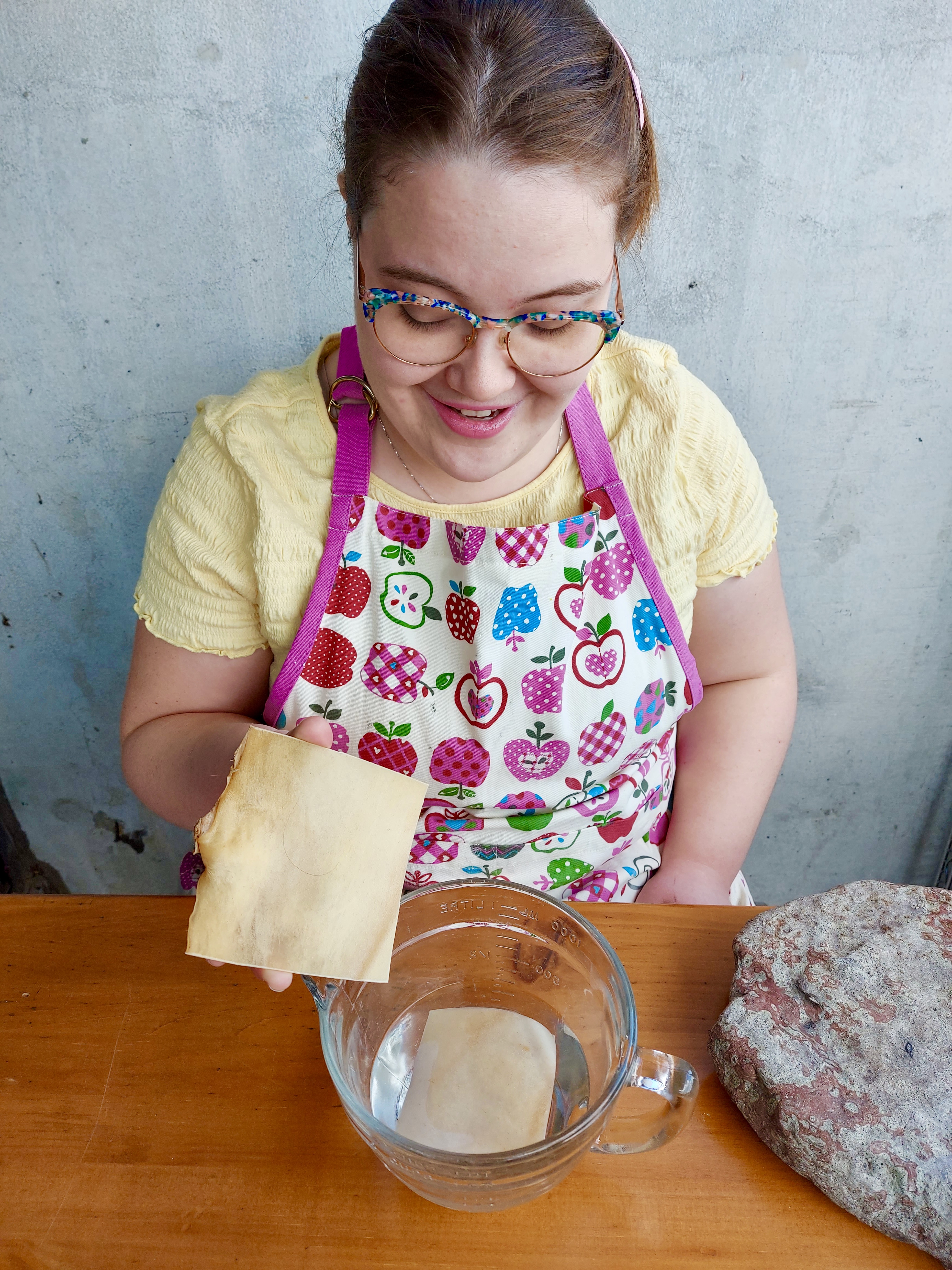
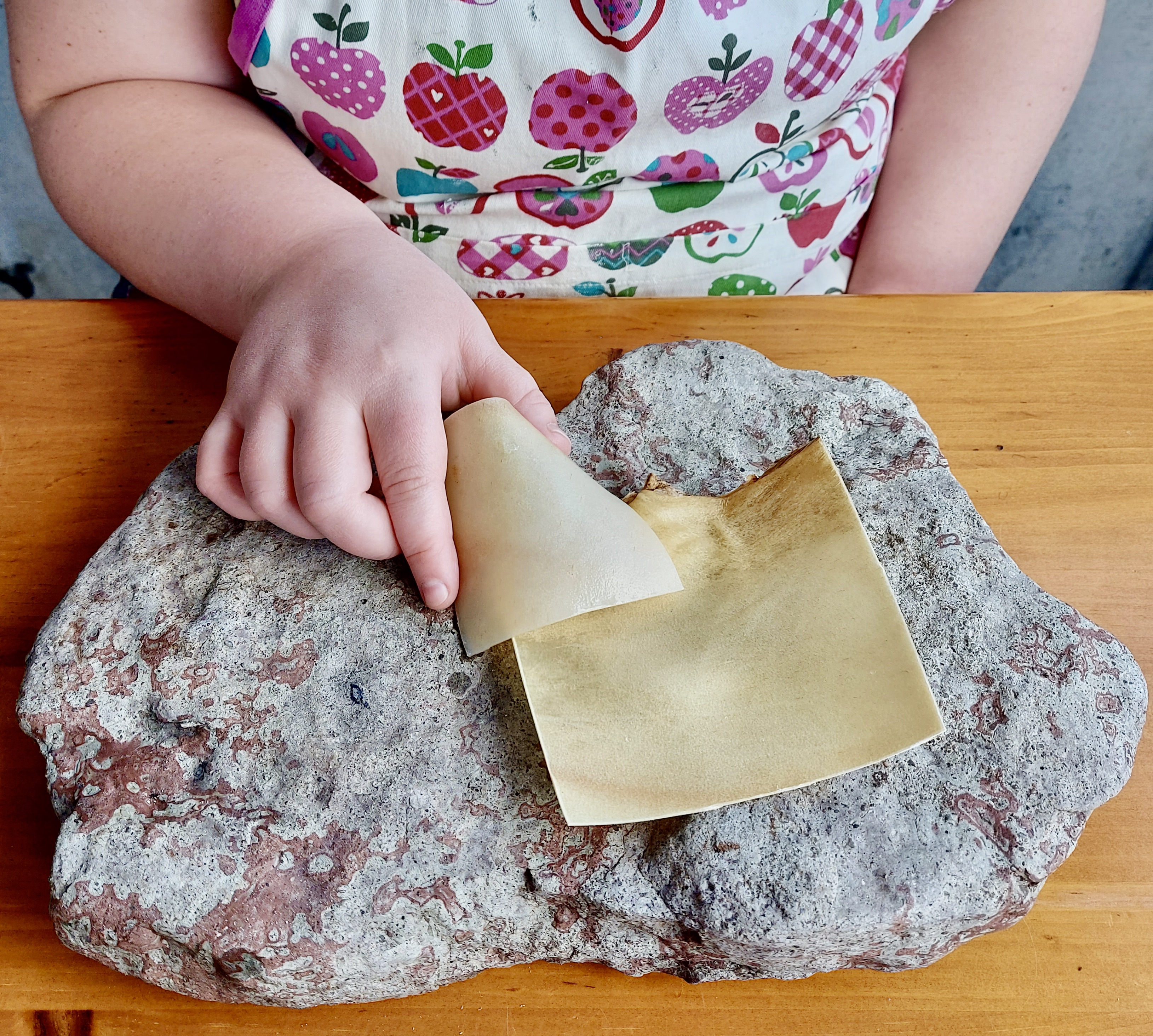
In order to stretch the raw hide over the white cedar drum frames, the hide must be soaked, I found for at least 12 hours. With an end piece of the elk rawhide, I did a trial run of the soaking process to see how the hide behaved after being soaked. Here you can see the comparison between the flexibility of the soaked raw hide and the dried rawhide. The soaked rawhide is the smaller piece (it did not shrink, it was cut a smaller size). The soaked rawhide is very flexible and almost rubbery in texture (the sensation of feeling it is similar to what I remember when petting a beluga whale as a child), whereas the dried raw hide is stiff and paper like in texture.

I am always excited for the experimental and trial stages of a project. You never know how a material behaves until you try using it yourself, especially a natural Creator-made rawhide that can differ greatly depending on the animal. I am looking forward to stretching the soaked elk rawhide over my freshly sanded and treated white cedar drum frames shortly and beginning the painting process. Once dry, the rawhide will regain much of its translucent nature. I’ll post about these processes too in the near future.

Portia “Po” Chapman smudging soaked elk rawhide with sage and a goose feather fan.

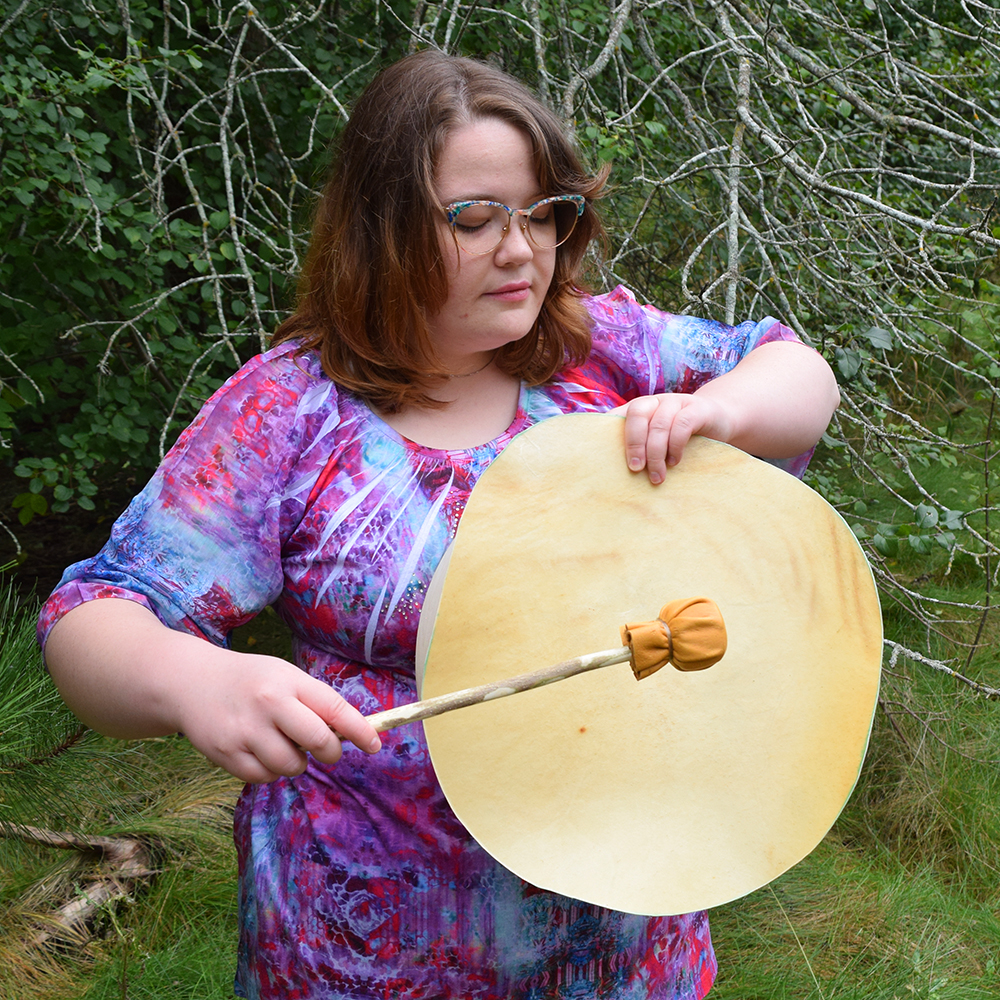
My new painted hand drum collection features 14″ painted hand drums. Each painted hand drum is $500. I am accepting pre-orders to reserve these pieces. I chose to create a new collection of painted hand drums rather than wood block prints/stamps because the artwork and drum can sing in perfect harmony when drummed by their drummer. I like creating art pieces that can be used by the collector. I think this collection is very special. With these painted hand drums, collectors will surely turn heads at their local drum circle gatherings.

Contact

โ† Back

Thank you for your response. โœจ

Warning
Warning
Warning
Warning.

Belleville, Ontario, Canada
portia@loveartbypo.ca
613-779-7975

Portia Chapman

Portia Po Chapman Reveals New Hand Drum Materials – Thanks Bill Worb Furs!

Portia Po Chapman Reveals New Hand Drum Materials – Thanks Bill Worb Furs!

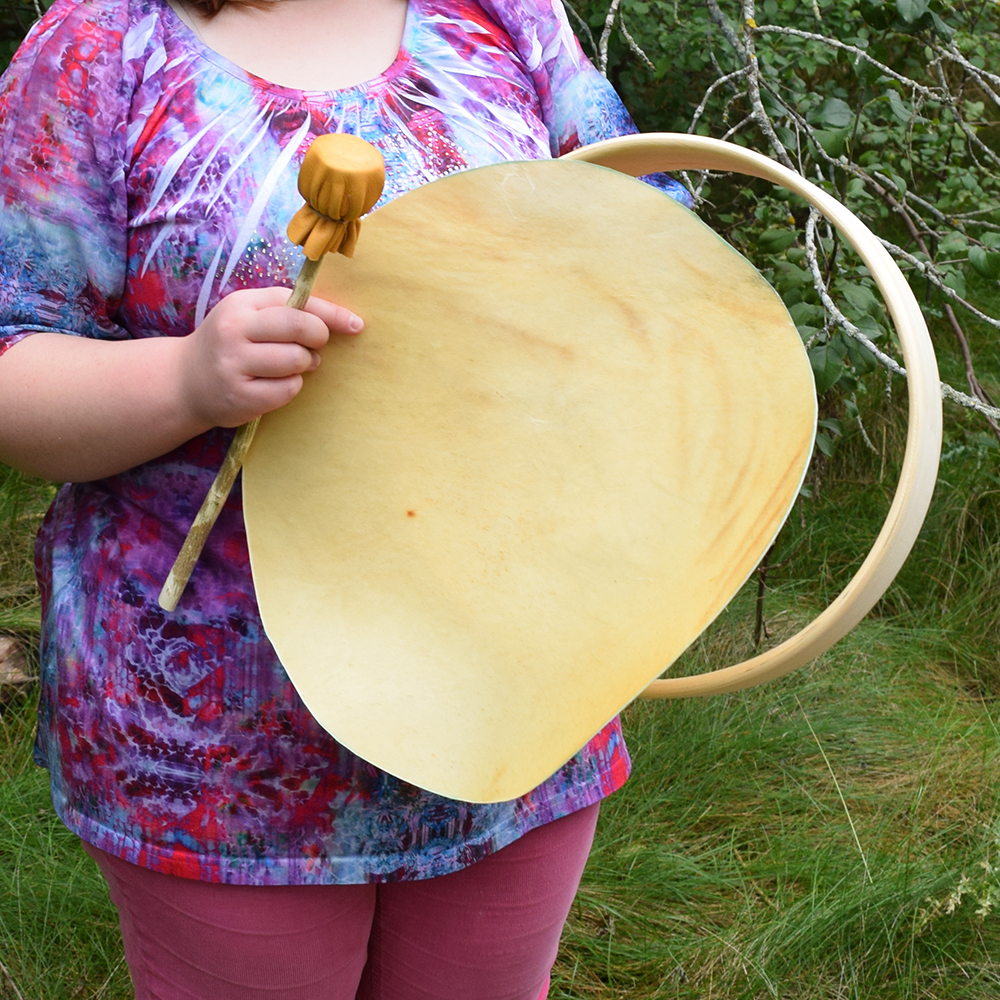
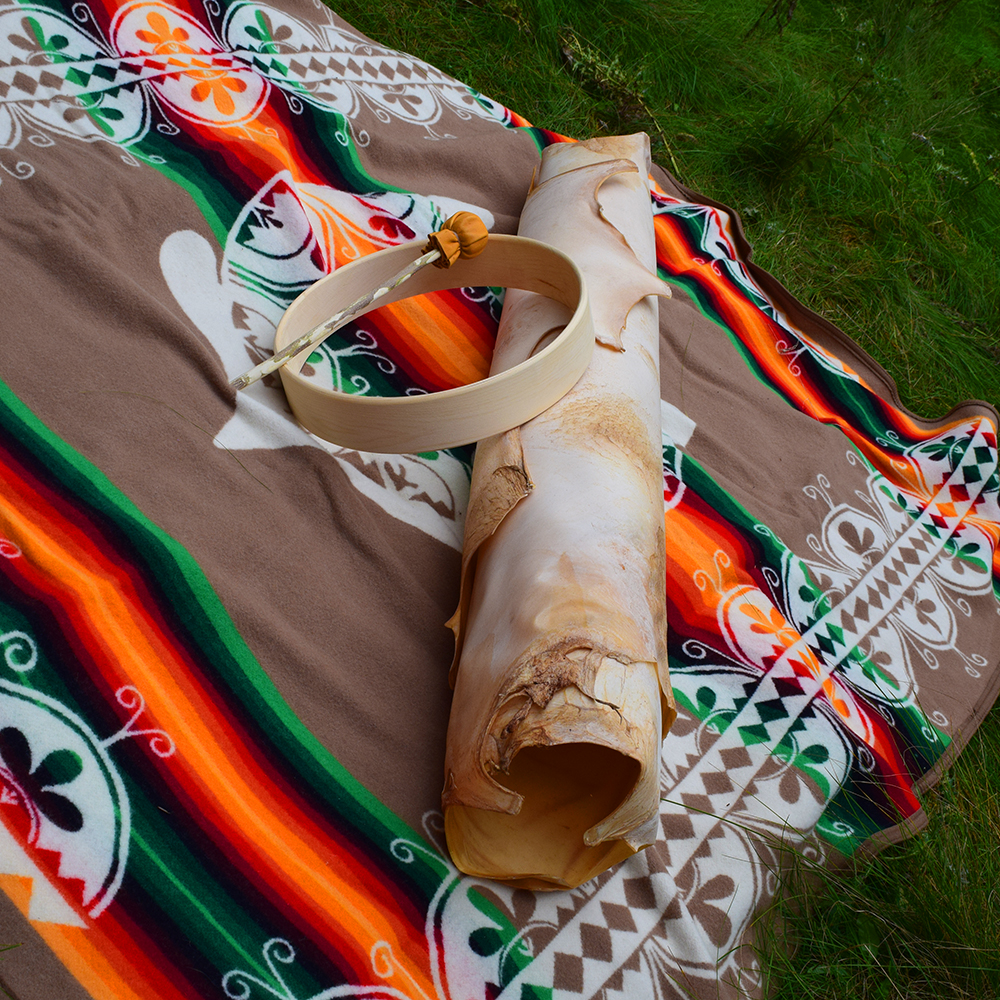
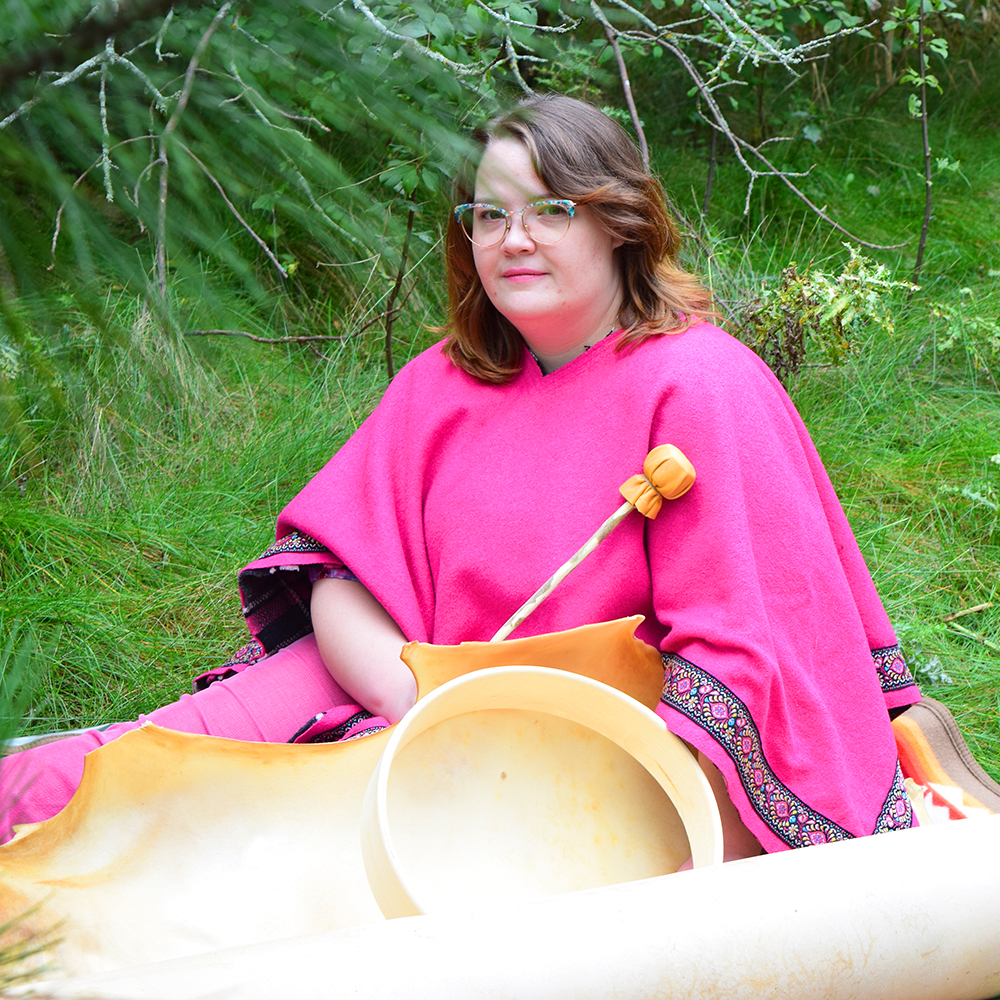
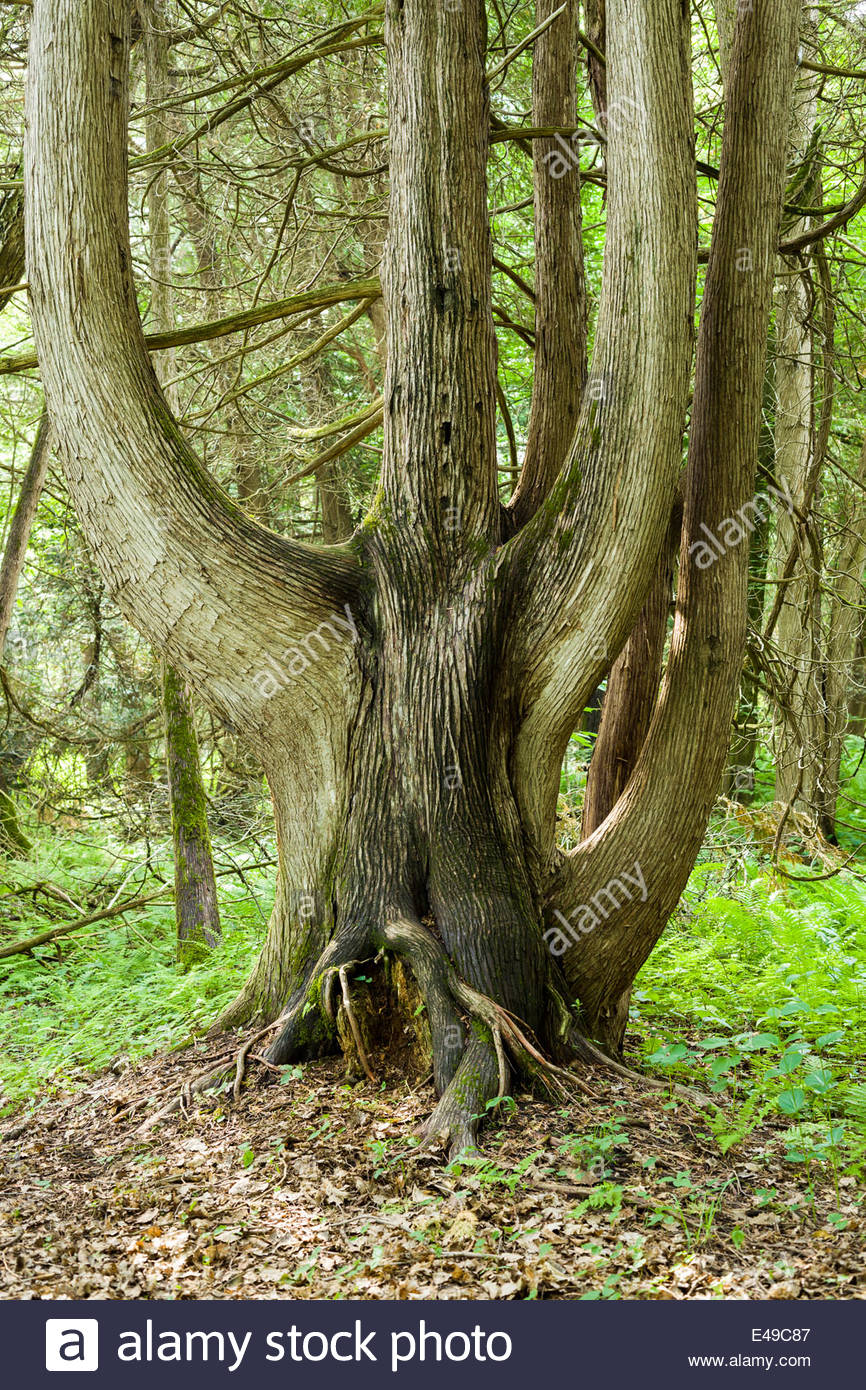
For my new collection of hand painted hand drums, I have been called to use sacred white cedar tree wood and elk rawhide. My supplier for these materials is Bill Worb Furs from Winnipeg, Manitoba. I hope this gives an idea of the size of the drums and the raw materials being used. The drum frames are 14″ in diameter.

I will post more information soon.

Contact

โ† Back

Thank you for your response. โœจ

Warning
Warning
Warning
Warning.

Belleville, Ontario, Canada
portia@loveartbypo.ca
613-779-7975

Portia Chapman

The Inspirations of the “Truth” Illustration by Portia Po Chapman were Indigenous Story and Storytelling

The Inspirations of the “Truth” Illustration by Portia Po Chapman were Indigenous Story and Storytelling.

Portia Chapman’s Indigenous Illustrations Published

Indigenous Art Page

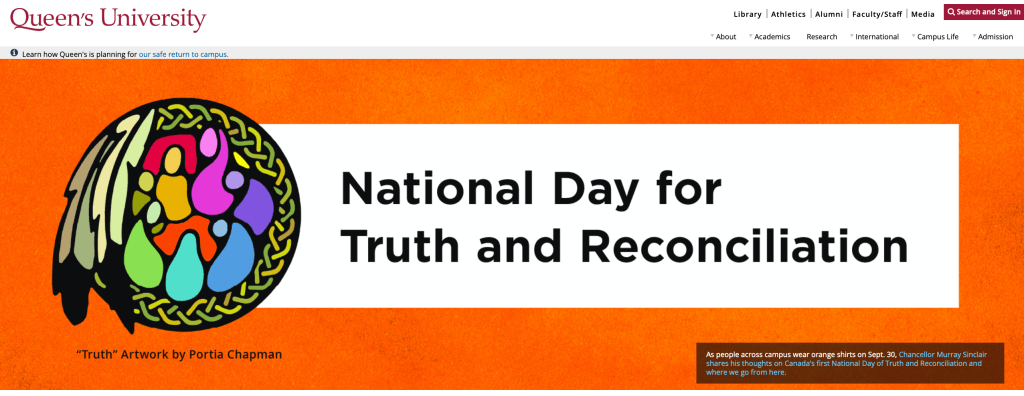
This week, during National Day for Truth and Reconciliation week, Queen’s University featured the Indigenous Illustration, “Truth.” I was commissioned to create these illustrations by the Queen’s Indigenous Initiatives Department for their website. Since then, the illustrations have been beautifully featured as integral elements to the Queen’s University Truth and Reconciliation Task Force Implementation Report – Year 3. This week, “Truth” is being shared on various sites, apps and pages. Also, a Zoom / Microsoft Teams background with the illustration was created so that you can use it for your meeting backgrounds, especially Queen’s departments today. Today is Orange Shirt Day – Every Child Matters. The following is a short video of me explaining the inspiration that guided my creation of this beautiful image.

Indigenous Story and Storytelling inspired me.

Since I wanted the illustrations to be interpretive, I struggled to provide art interpretations. But as I was creating these images, I could hear and see words. For this illustration, I kept seeing and hearing: “Truth.” But the truth that I kept repeatedly experiencing was not the word, but rather the action and essence of Truth. There were times that I could feel the Sprit of Truth guiding me as the spirit whispered in my ear with faint drumming and singing surrounding us.

As a visual storyteller with Indigenous heritage, generations of my ancestors were silenced as their/our culture was wiped from public display. It was only through story and storytelling did I learn my family’s story. It was because of story and storytelling that I grew to cherish my heritage and ancestry. Our truth may have been hidden from the general public, but it remained alive in our family. Now with my aging family, so many have died but their story is alive as ever.

In the illustration, you will notice a circle of people sharing stories of TRUTH. At the top of the gathering circle, there is a pinkish, larger figure. To me, she represents both Spirit and Clan Mother / Grandmother. She exudes story and the embodiment of truth. She is active and alive as she shares the Truth with the generations to follow her. The orangish space in the middle is a ceremonial fire gathering everyone together.

So as you can see, “Truth,” tells a living story or storytelling. After everything that has been lost, gained or changed over time, Indigenous STORY and STORYTELLING has continued to tell TRUTH!

As an integral part of the Truth and Reconciliation process, please hear the stories of Indigenous Peoples from across this land. It is through hearing the stories shared that we may all, in Truth, move forward together.

Portia Po Chapman using the “Truth” Zoom / Teams Background

https://www.queensu.ca

Contact

โ† Back

Thank you for your response. โœจ

Warning
Warning
Warning
Warning.

Belleville, Ontario, Canada
portia@loveartbypo.ca
613-779-7975

Portia Chapman, Studio Process, Sustainable Craft

Papercraft Arts and Crafts Gift Chest by Portia Po Chapman

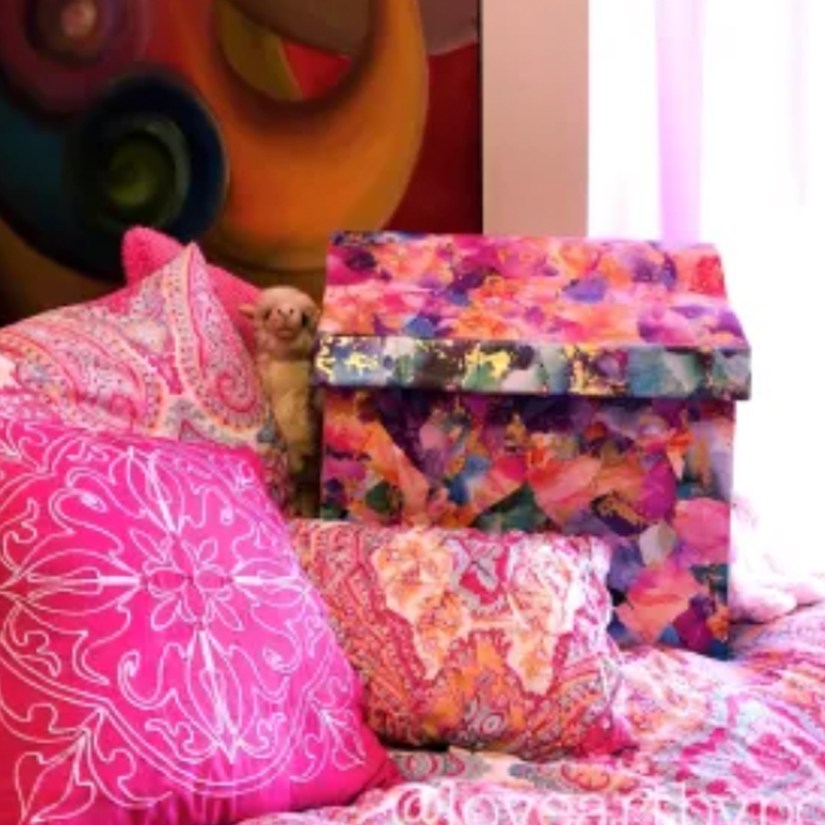
Handmade floral papercraft gift chest by Kingston Artist Portia Po Chapman, styled with vibrant pink pillows and an award-winning oil on canvas swirl painting in the background.
A multidisciplinary composition featuring my hand-designed floral gift chest, accented by vibrant textiles and my award-winning oil on canvas swirl painting.

The Gift Chest

A vibrant look at the “Papercraft Arts and Crafts Gift Chest” by Kingston Artist, Portia Po Chapman.

This multidisciplinary showcase features a hand-designed floral gift chest set against a backdrop of an award-winning oil on canvas swirl paintings, and rich textiles, highlighting the intersection of fine art and functional craft.

Art and the Laws of Attraction

In 2020, the pandemic hit. As a sculpture and installation artist, I just needed to build something that would make me happy. So, I built this chest from whatever was in my apartment studio.

This chest is emblematic of how art kept me moving over the next 2 years. By keeping art in my focus, the [Laws of Attraction] were witnessed. In 2022, I was contacted, which seemed out-of-blue, by an Arts Council member and I was not yet a member of that specific arts council. I was one of six other artists who won a Placemaking contract to paint a mural.

That mural was my launch into community placemaking murals and installations.

Materials Needed to Make the Chest:

To make a chest like this one, you’ll need:
– cardboard
– scrapbook paper
– hot glue gun
– heavy duty glue stick
– Podge
– scissors

Art is in the details.

Iโ€™m revisiting this cherished project: a custom-designed Papercraft Gift Chest. I love how the intricate floral patterns of the chest play against the fluid energy of my award-winning swirl painting in the background. Itโ€™s a perfect example of how different mediumsโ€”paper, paint, and textileโ€”can happily add to a cohesive creative space.

Click through to my [Landing Page] to see where my artwork has taken me since 2020 – from small craft to large-scale community placemaking projects.


To contact me directly, please use this email:

๐Ÿ“ง Portia@loveartbypo.ca

2 responses to “Papercraft Arts and Crafts Gift Chest by Portia Po Chapman”

  1. linda Chapman Avatar
    linda Chapman

    Hi Portia,I love the floral gift chest that you made and I love your little lamb peeking out.He is so cute and looks familiar……..I love you Nanny.


    1. Portia "Po" Chapman Avatar

      Thank you. It was a very fun creation. I still use it to store bows, tissue papers and such.

Drum Articles, Portia Chapman

The Eternal Pulse: Why We Drum in the New Year with the Frame Drum

By Portia Chapman BFAH, B.Ed. (Kingston Drum Maker and Artist in Community Education Specialist)

As the clock approaches the midnight hour on December 31st, or as the sun rises on the lunar New Year, a specific sound begins to resonate across disparate cultures: the sharp, resonant “crack” of a hand striking a frame drum. From the frozen tundras of Siberia to the arid landscapes of North Africa and the bustling urban drum circles of the West, the frame drumโ€”a simple wooden hoop covered with a membraneโ€”is the preferred instrument for marking the transition of time.

Why is it that, across thousands of years and miles, the human species returns to this specific instrument to herald the New Year? Through a global cultural and historical perspective, the act of New Yearโ€™s drumming is revealed to be far more than a musical performance. It is a sophisticated ritual of liminality, a psychological tool for intention setting, and a sociological engine for communal synchronization. To drum in the New Year is to participate in the “Myth of the Eternal Return,” using rhythm to dissolve the old year and give birth to the new.


The Architecture of the Threshold: Liminality and the Beat

At the heart of New Year celebrations is the concept of liminality, a term popularized by ethnologist Arnold van Gennep and later Victor Turner. Liminality describes the “in-between” stateโ€”the threshold where the old identity has been shed but the new has not yet been formed. The New Year is the ultimate liminal moment in the human calendar.

Sociologically, the frame drum is the perfect tool for navigating this “gap in time.” Unlike melodic instruments that require complex cognitive processing, the steady, repetitive pulse of a frame drum (like the Irish bodhrรกn or the Persian daf) facilitates a state of “entrainment.” This rhythmic synchronization helps the human nervous system transition from the chaotic stress of the ending year to a state of focused presence. By drumming, participants physically inhabit the transition; the beat becomes a steady handrail through the void between the “now” and the “next.”


Apotheosis of Noise: Banishment and the Apotropaic Pulse

In many traditional cultures, the New Year is a dangerous time. In the folklore of Northern Europe, Central Asia, and the Mediterranean, the transition between years is when the “veil” between worlds is thinnest. Spirits, ghosts, and the “accumulated bad luck” of the previous twelve months are thought to linger.

Historically, frame drums have been used as apotropaic toolsโ€”objects intended to turn away evil. The loud, sudden percussive strikes of a drum are believed to shatter stagnant energy. In Shamanic traditions of Siberia and Mongolia, the frame drum is often referred to as the “shamanโ€™s horse.” At the turn of the year, the shaman beats the drum to travel between worlds, purifying the communal space and “scaring off” the cold, malevolent spirits of winter.

This tradition survives in a secularized form in the West through the “noise-making” of New Yearโ€™s Eve. While modern party poppers and fireworks are the norm, the frame drum remains the choice for those seeking a more intentional banishment. The “crack” of the drum is a symbolic guillotine, cutting the ties to past failures and clearing the psychic field for a fresh start.


The Geometry of Time: The Drum as a Solar Symbol

The physical form of the frame drumโ€”a perfect circleโ€”is deeply symbolic of the New Year. In many Indigenous and ancient cultures, the drum represents the sun, the moon, and the cycle of the seasons.

In her seminal research, Layne Redmond noted that the frame drum was the primary instrument used in ancient Mediterranean sun-worshiping cultures. Because the New Year often coincides with the Winter Solstice (the “return of the sun”), the circular drum acts as a sympathetic magic device. By striking the round drum, the practitioner is “fueling” the sun, encouraging the return of light and warmth.

This solar symbolism is particularly potent in Nowruz, the Persian New Year. While celebrated at the Spring Equinox, Nowruz is a “New Day” that relies heavily on the daf (the Kurdish/Persian frame drum). The daf, with its metal rings, creates a shimmering, sun-like sound. When played at the turn of the year, it mirrors the light of the sun and the movement of the cosmos, aligning the individualโ€™s internal rhythm with the astronomical New Year.


Communal Resonance: Starting the Year in Sync

From a sociological perspective, the most vital function of New Yearโ€™s drumming is the creation of Social Synchrony. In his work The Myth of the Eternal Return, Mircea Eliade explains that humans have a deep-seated need to periodically “reset” time to its beginning. This reset is most effective when done collectively.

When a community drums together on New Yearโ€™s Day, they are engaging in a “collective effervescence.” By sharing a common pulse, the social frictions of the previous year are smoothed over. You cannot drum in a circle with others without eventually falling into rhythm with them. This “entrainment” creates a sense of unity and shared purpose.

“To drum together is to agree on a common heartbeat. At the start of a year, this agreement serves as a non-verbal social contract: we will move through the coming challenges in time with one another.” โ€” Summary of rhythmic sociological theory.

In modern urban settings, the “New Yearโ€™s Day Drum Circle” has become a popular secular ritual. It replaces the passive consumption of entertainment with the active production of community. For participants, the significance lies in the physical sensation of the group pulse, which provides a psychological foundation of support for the year ahead.


The Pulse of Intention: The Somatic Resolution

Finally, the frame drum is used in the New Year for Mastery and Agency. New Yearโ€™s resolutions are often fragile because they are purely mental constructs. Drumming, however, is a somatic (body-based) practice.

For many modern practitioners, drumming in the New Year is an act of “audible intention.” Instead of writing a list of goals, the drummer “plays” their intention. A heavy, grounded beat might represent a desire for stability; a fast, complex rhythm might represent a desire for growth and excitement.

Psychologically, this is a form of active imagination. As the drummer strikes the skin, they are physically manifesting their will into the world. In the silent space that follows a drum session on New Yearโ€™s morning, there is a profound sense of “completion.” The old year has been beaten out, the new pulse has been established, and the individual stands at the center of their own circle, ready for the next rotation of the wheel.


Conclusion

The frame drum persists as a New Yearโ€™s instrument because it is the most efficient technology we possess for managing the human experience of time. It provides the noise necessary to banish the past, the rhythm necessary to navigate the liminal present, and the communal pulse necessary to face the future.

Whether it is the bendir of a Moroccan village or a tar in a Los Angeles living room, the beat remains the same. It is the sound of the human heart asserting itself against the vastness of time. As the first beats of the New Year ring out, they remind us that while the years may change, the pulseโ€”the fundamental rhythm of lifeโ€”is eternal.


Works Cited

Eliade, Mircea. The Myth of the Eternal Return: Cosmos and History. Princeton University Press, 1954 (Reprint 2005). https://press.princeton.edu/books/paperback/9780691123585/the-myth-of-the-eternal-return

Redmond, Layne. When the Drummers Were Women: A Spiritual History of Rhythm. Three Rivers Press, 1997. https://www.layneredmond.com/when-the-drummers-were-women

Turner, Victor. The Ritual Process: Structure and Anti-Structure. Aldine Transaction, 1969 (Reprint 2008). https://www.routledge.com/The-Ritual-Process-Structure-and-Anti-Structure/Turner/p/book/9780202011431

Van Gennep, Arnold. The Rites of Passage. University of Chicago Press, 1960. https://press.uchicago.edu/ucp/books/book/chicago/R/bo3634125.html

Winkelman, Michael. “Shamanism as the Original Neurotheology.” Zygon: Journal of Religion and Science, vol. 39, no. 1, 2004, pp. 193-217. https://onlinelibrary.wiley.com/doi/abs/10.1111/j.1467-9744.2004.00566.x

This educational article was written and researched with the assistance of Gemini. You are encouraged to further research for more information on this topic.

Portia Chapman

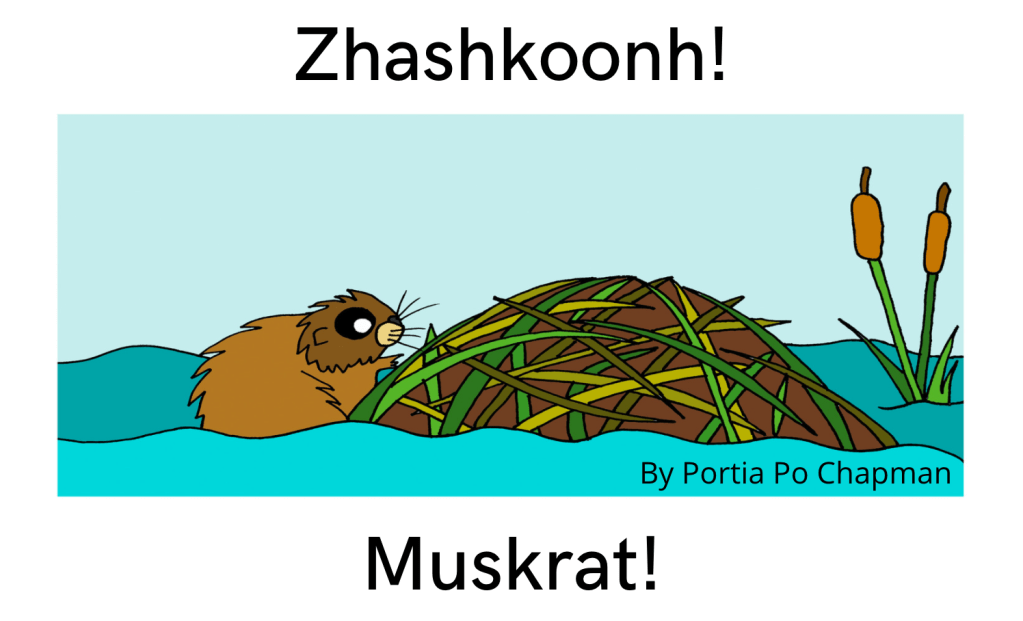
Zhashkoonh ( Muskrat ): Nishnaabemowin Children’s Book by Portia Po Chapman

Zhashkoonh ( Muskrat ): Nishnaabemowin Children’s Book by Portia Po Chapman

During the Summer (2021), I began learning Nishnaabemowin. My Trent University Professor was Shirley Ida Williams. Professor Williams wrote the textbook for the course: “Eshkintam Nishinaabemang Mzinagan: Introduction to Nishnaabemowin.” On page iv, Professor Williams describes the dialect as, “The main dialect used in this manual is linguistically classified as Manitoulin Central dialect of Ojibwe and Odawa and is part of Eastern Ojibway and an offshoot of the Mother language of Algonkian.”
It was really exciting to begin my journey learning the language.

As part of the course, I wrote, read aloud, and illustrated my first children’s book in Nishnaabemowin. In this little video, you can read along with me.

Why did I choose to write about the Zhashkoonh ( Muskrat )? As well as being part of the creation story, I enjoyed watching the muskrats as I grew up along side the lake. They always seemed to be a bit more playful than the beavers. While they are tiny, they sure are mighty!

I hope you enjoy reading along with me! Maybe you too can learn few Nishnaabemowin words!

Click to visit my Indigenous Art page.

Contact

โ† Back

Thank you for your response. โœจ

Warning
Warning
Warning
Warning.

Belleville, Ontario, Canada
portia@loveartbypo.ca
613-779-7975

Portia Chapman

Portia Po Chapman, Back in the Studio 2021 / 22

2 weeks after completing my Bachelor of Education in August 2020 (Secondary School Teacher of Visual Art and First Nations, Metis and Inuit Studies) I secured my first teaching position.


I was planning on creating a new collection of woodcut prints inspired by the illustrations I did for Queen’s University, but my teaching position and Additional Teaching Qualification courses occupied my time.


In order to focus more on my artwork, I am teaching less this year (2021/22). As so many of us have found our lives altered by Covid-19, I have found a new breath of creative energy.


If there ever was a time to create, now is that time!

I will be posting more of my art process and documentation. Please continue to check in.

I have 3 projects that I have begun. Well, some of the materials have arrived. Iโ€™m really excited about this year.

Contact

โ† Back

Thank you for your response. โœจ

Warning
Warning
Warning
Warning.

Belleville, Ontario, Canada
portia@loveartbypo.ca
613-779-7975

Art News, Portia Chapman, Portia's Adventures, Uncategorized

Portia Chapman Completes Bachelor of Education

Portia Chapman Completes Bachelor of Education

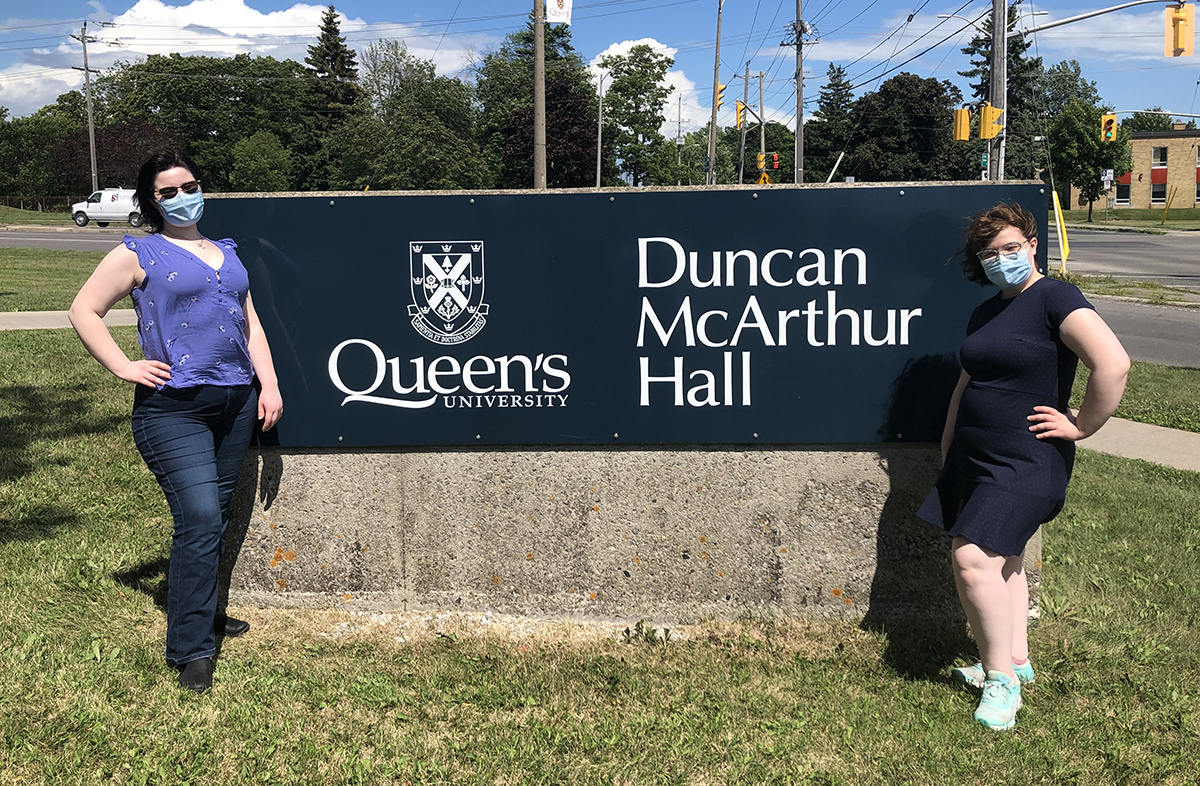
Yay!  I have finally completed my 5 year long Concurrent – Bachelor of Education (Artist in Community Education Concentration) program at Queen’s University! I have earned my two Intermediate – Senior teachable subjects in Visual Arts and First Nations, Mรฉtis, and Inuit Studies.  I have grown a lot since my start in the program in 2015.  I was so happy to spend the final year of the program with my sister Jasmine (BEd – Communications Technology).  Not many sisters get to do their BEd together.  Many call us the “Sisters in Education!”

Portia chapman duncan mcarthur hall queens university
Portia chapman Queens university duncan mcarthur

I am so grateful for my practical and theoretical knowledge gained over this degree journey.  I can’t wait to start teaching this fall!

Po

Contact

โ† Back

Thank you for your response. โœจ

Warning
Warning
Warning
Warning.

Belleville, Ontario, Canada
portia@loveartbypo.ca
613-779-7975

Art News, Portia Chapman, Portia's Adventures, Uncategorized

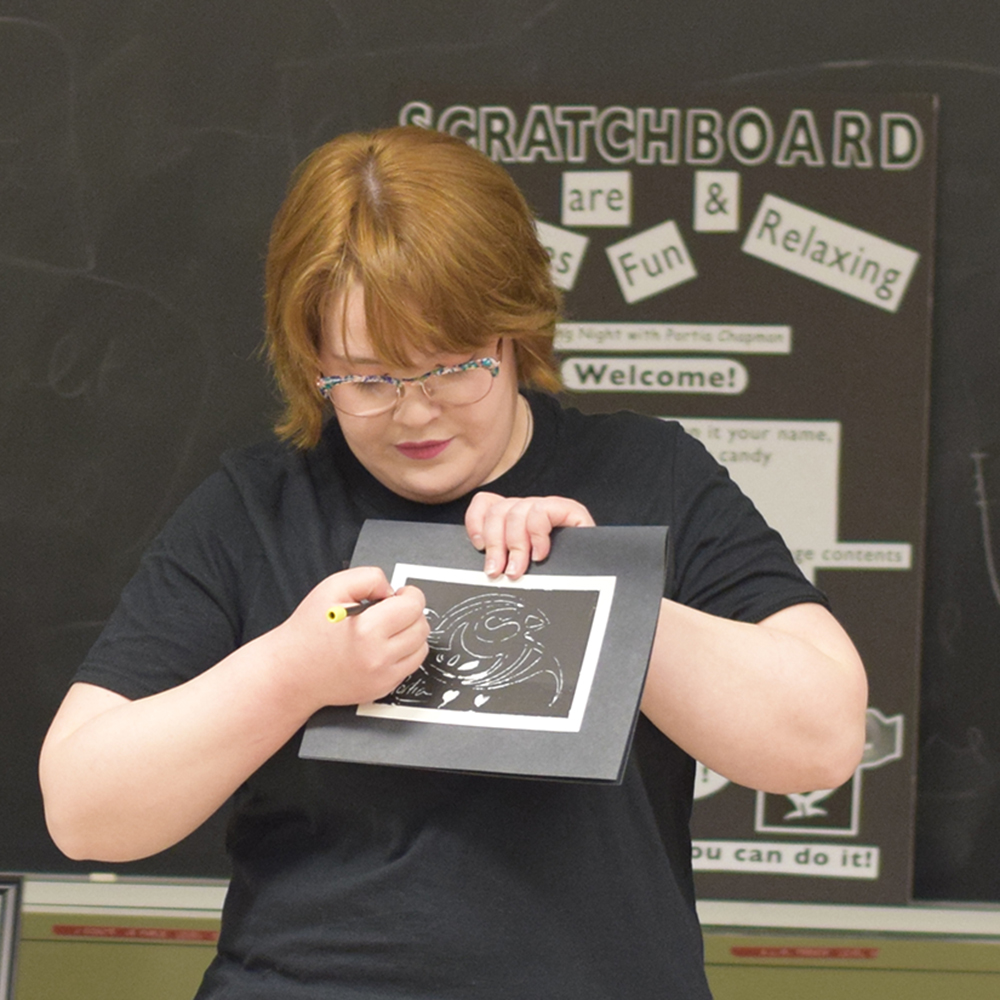
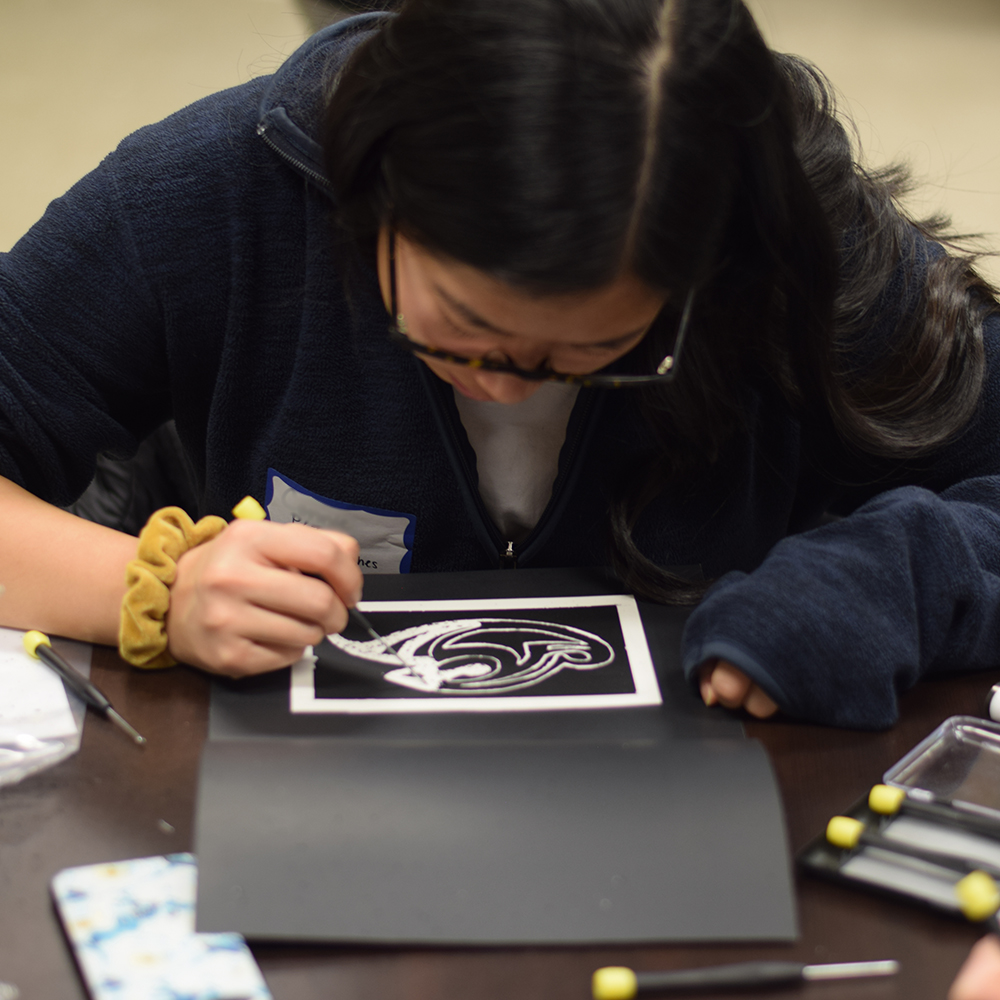
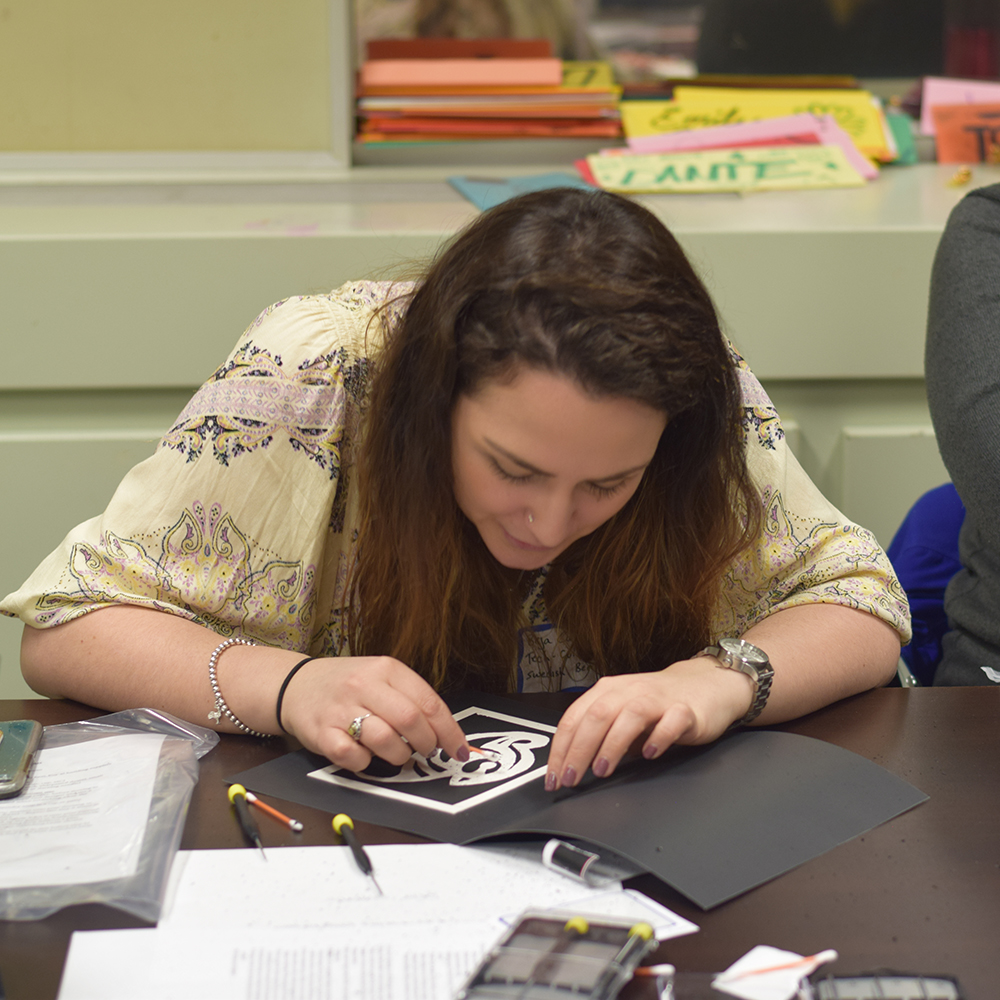
Portia Chapman’s Indigenous Image Scratchboard Arting was Fun for All

Portia Chapman’s Indigenous Image Scratchboard Arting was Fun for All

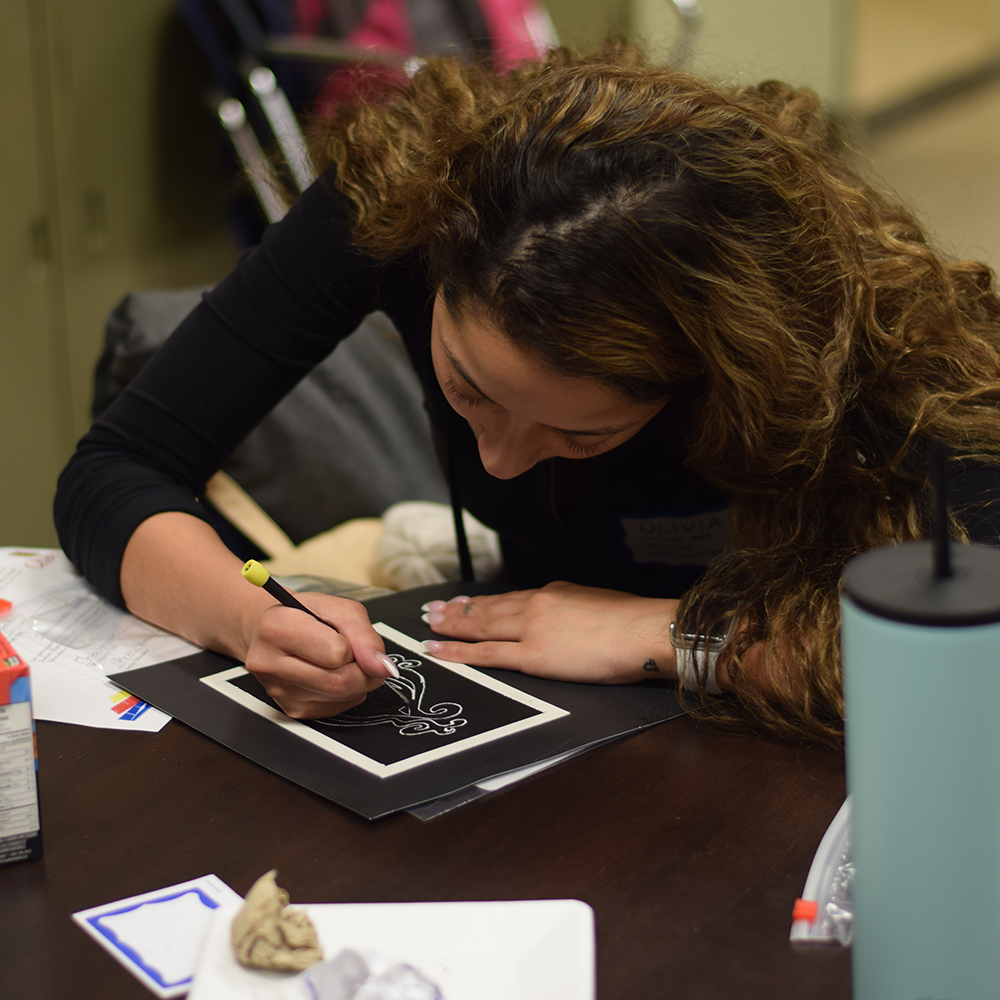
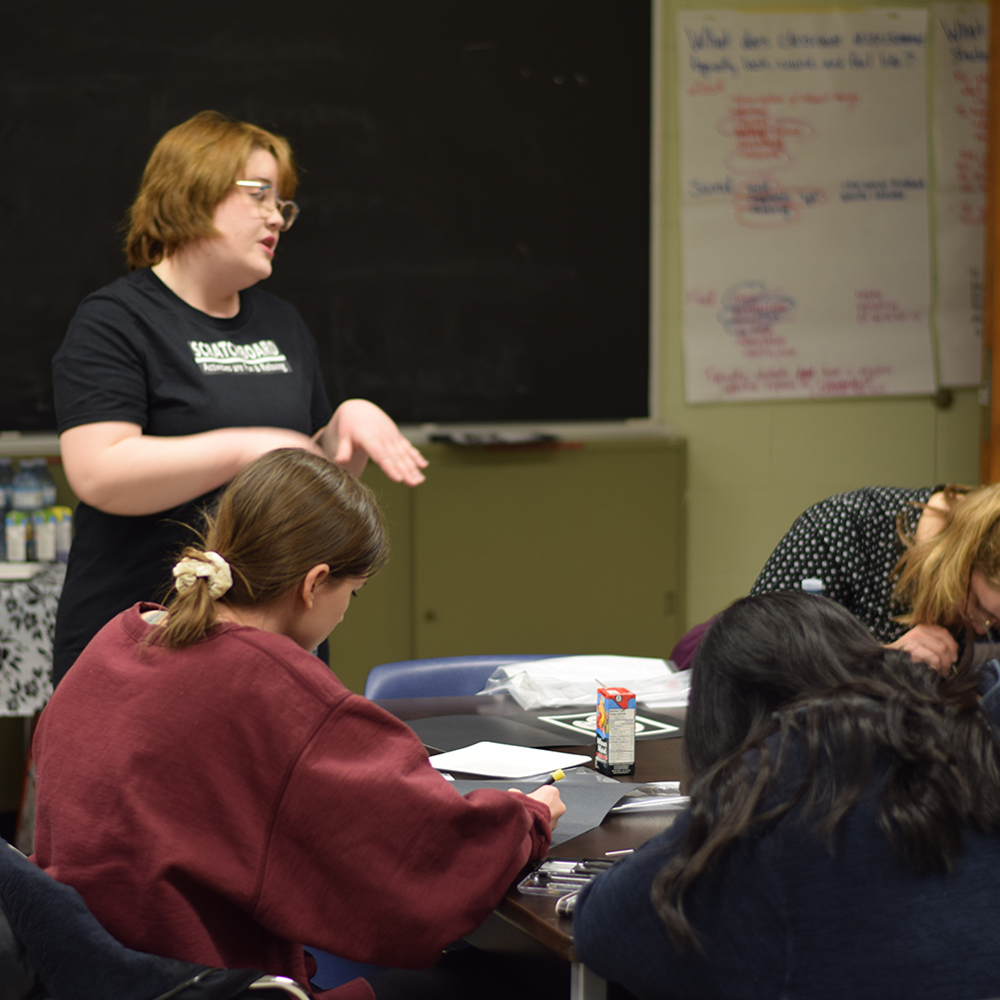
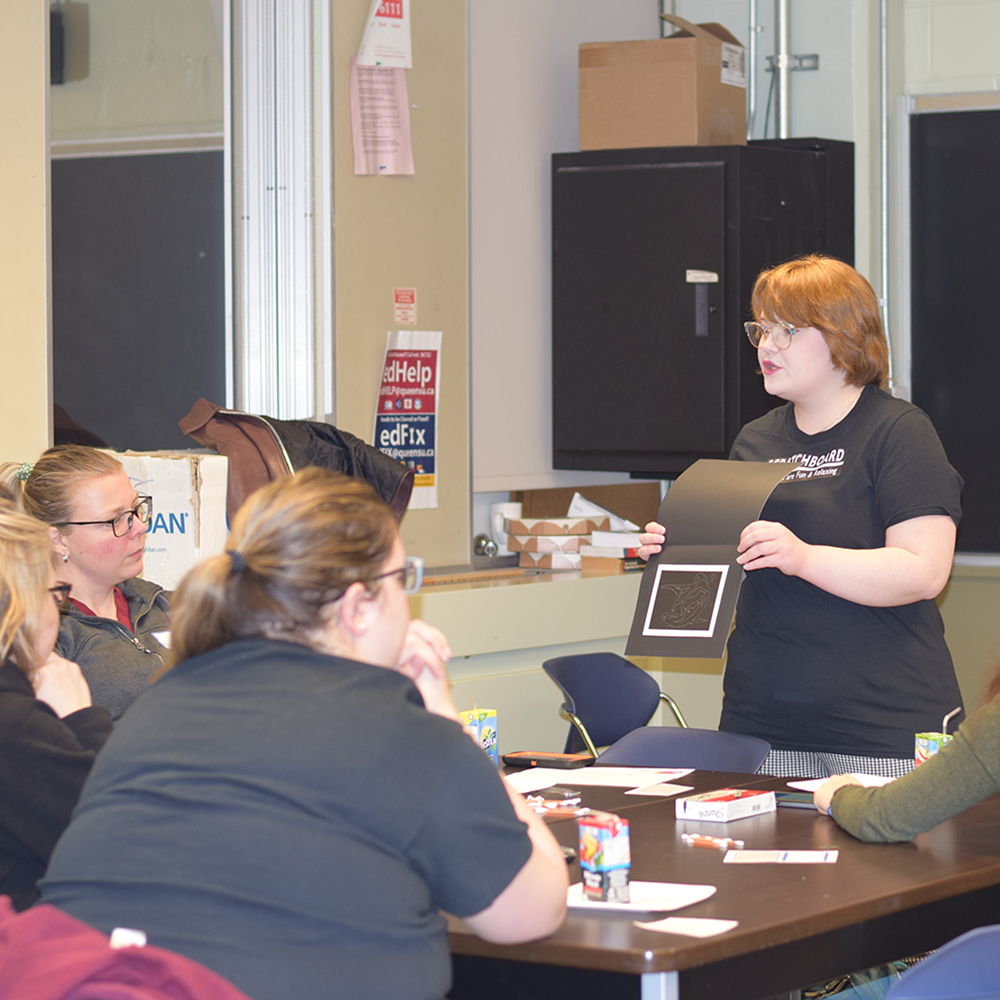
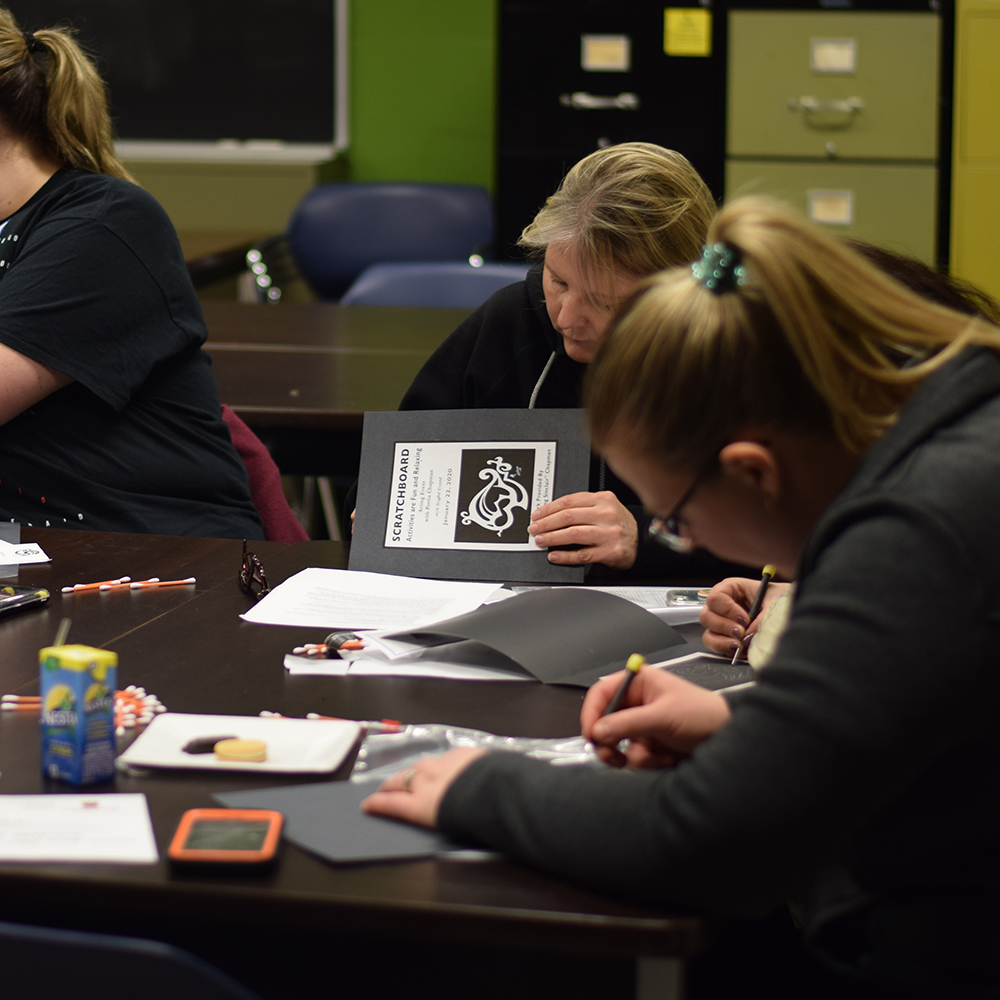
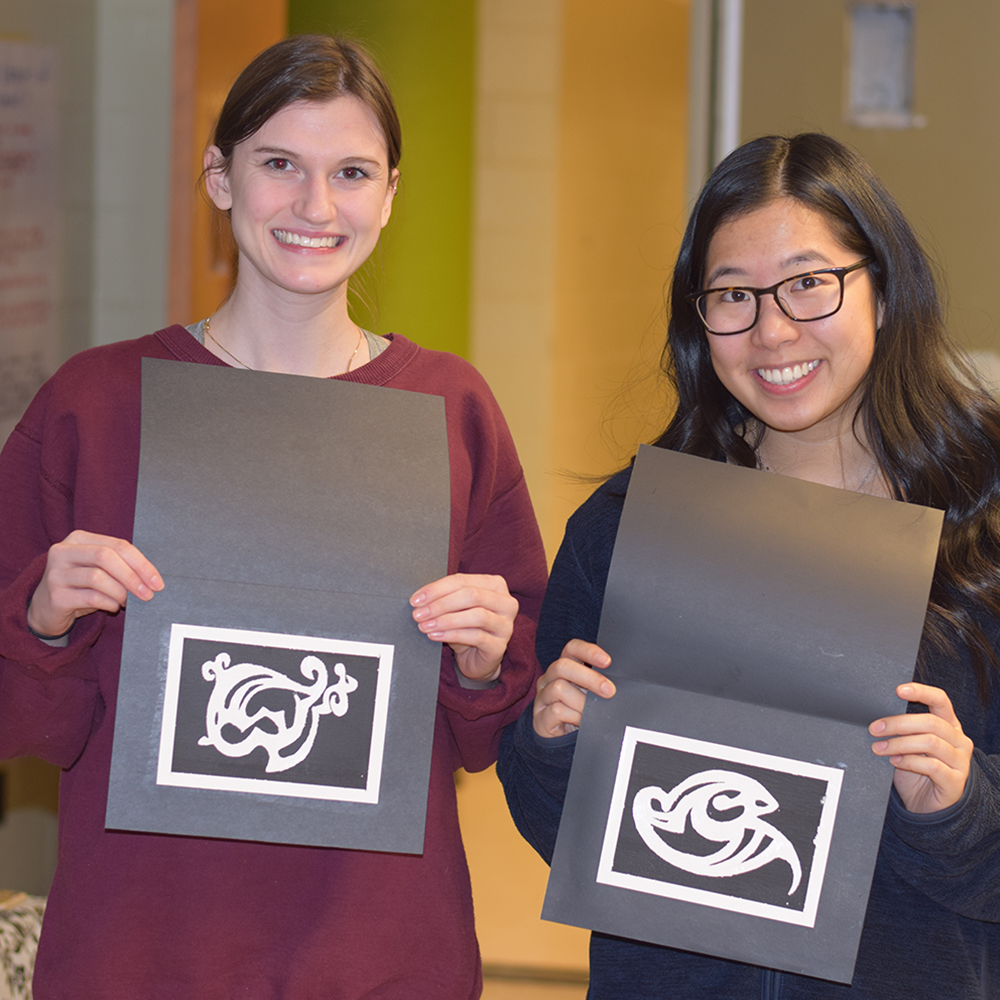
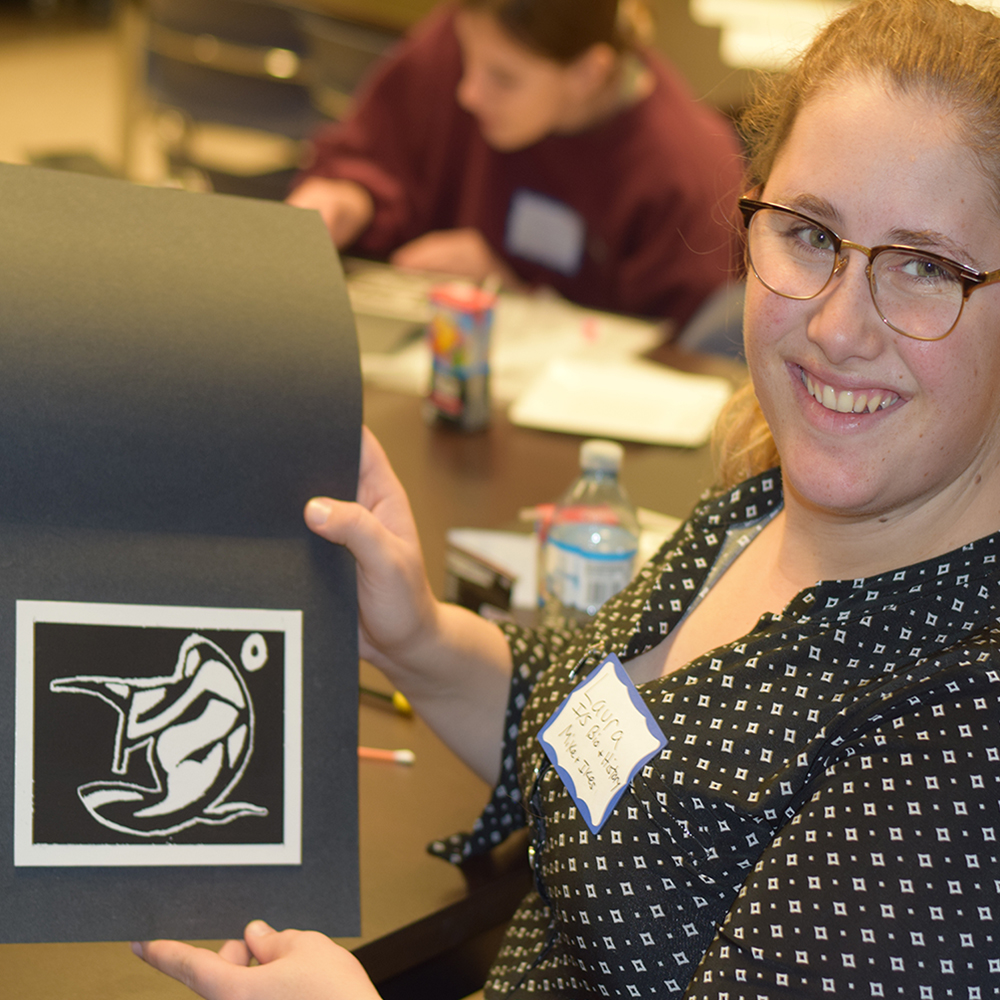
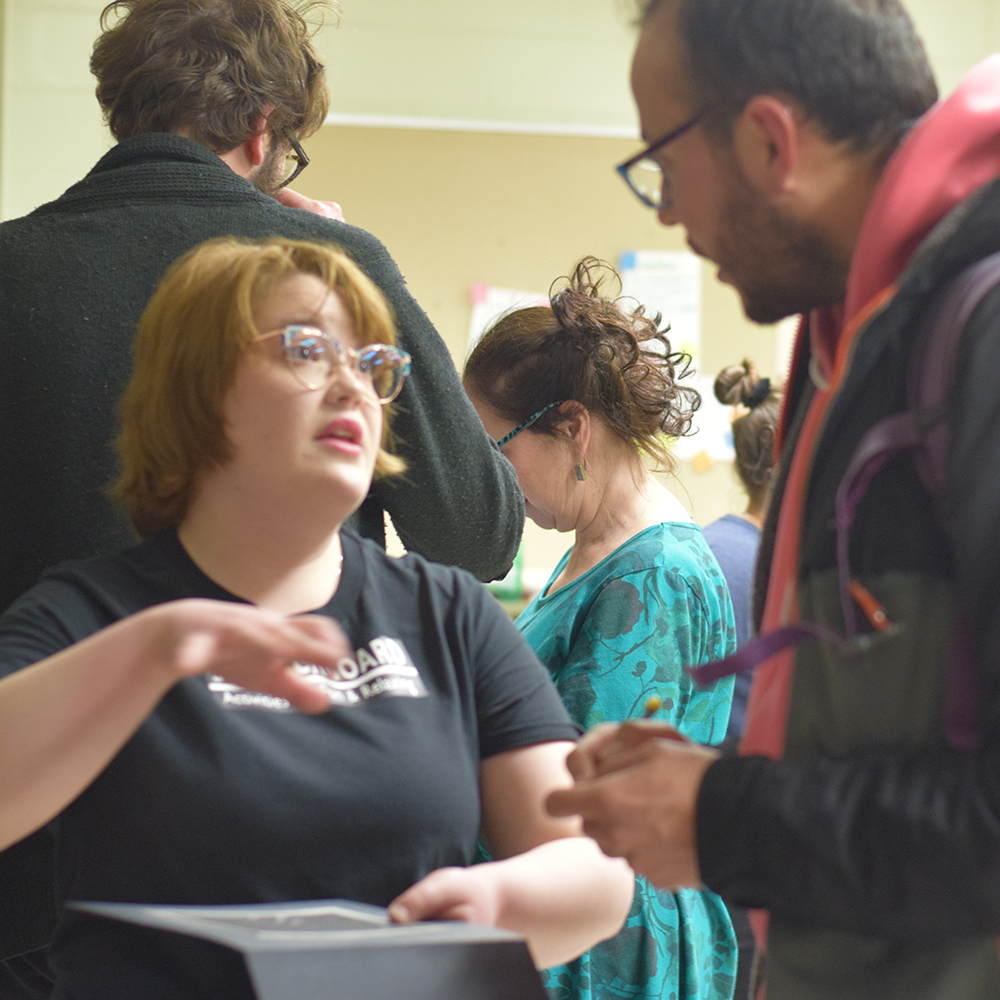
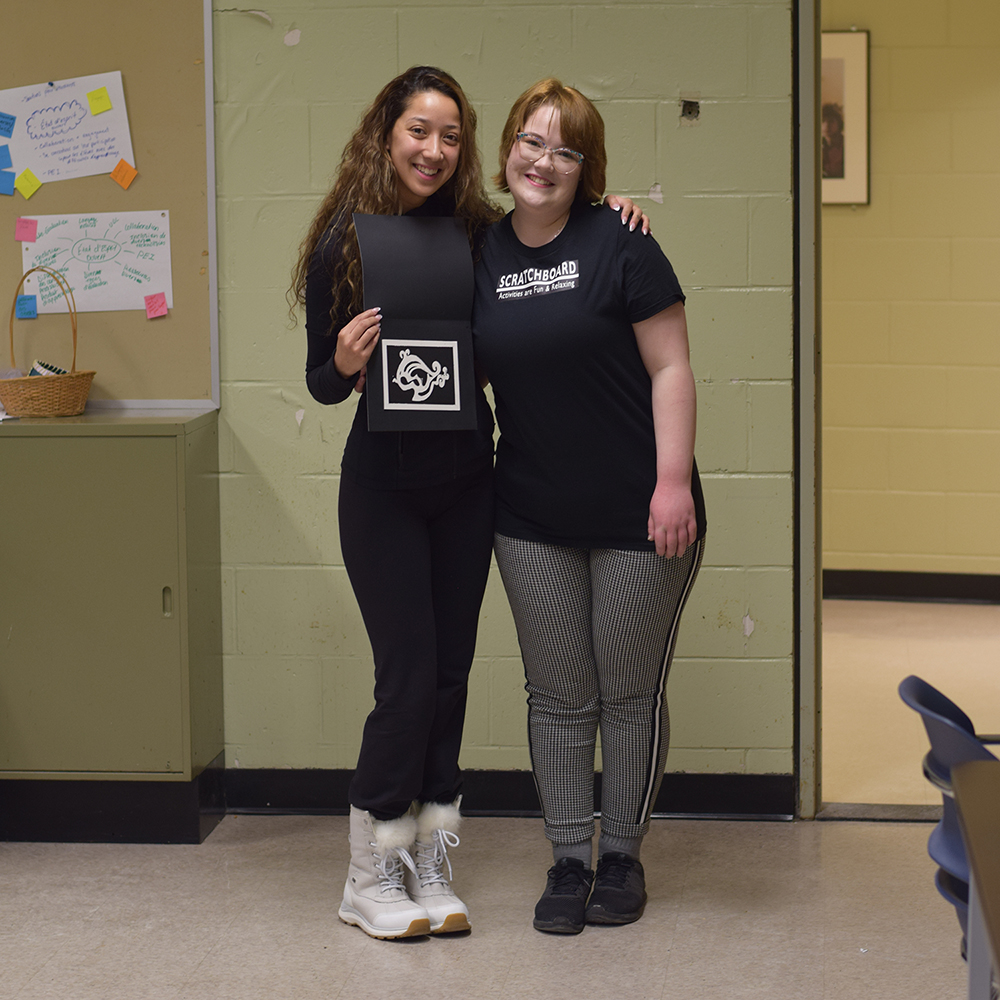
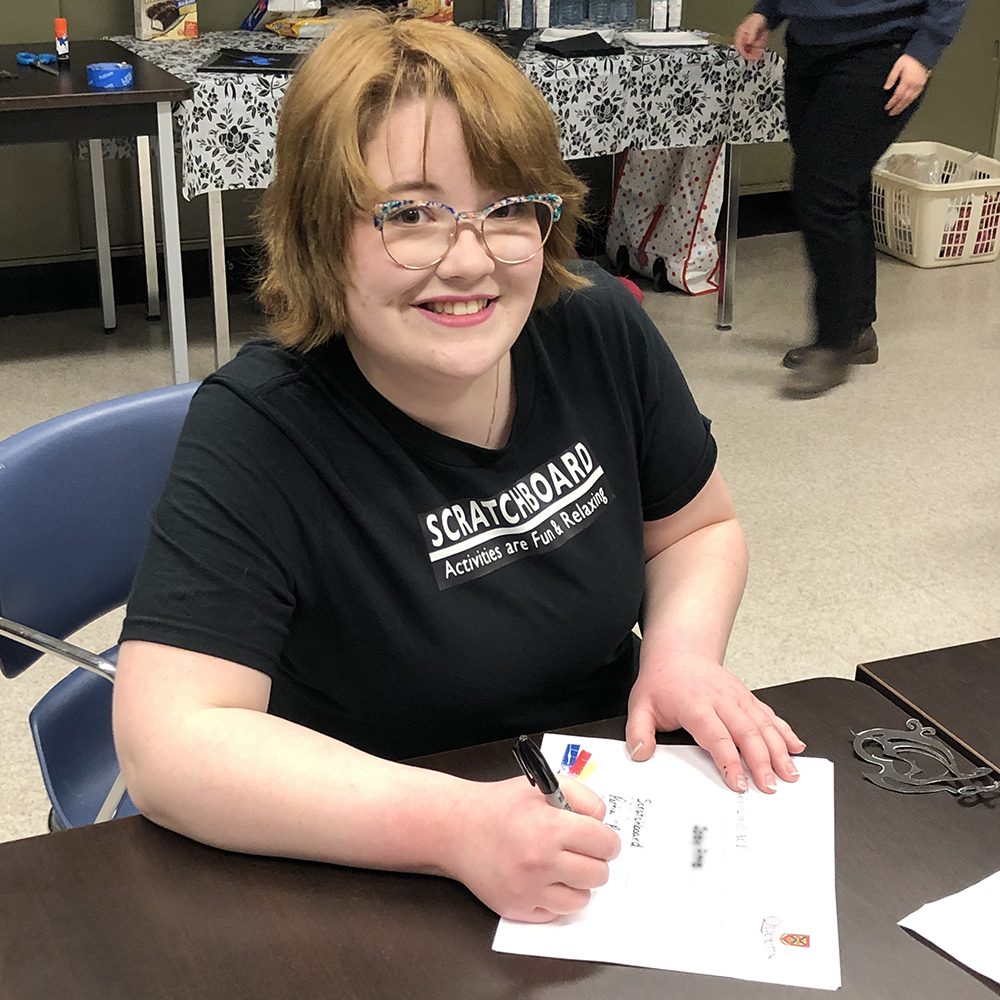
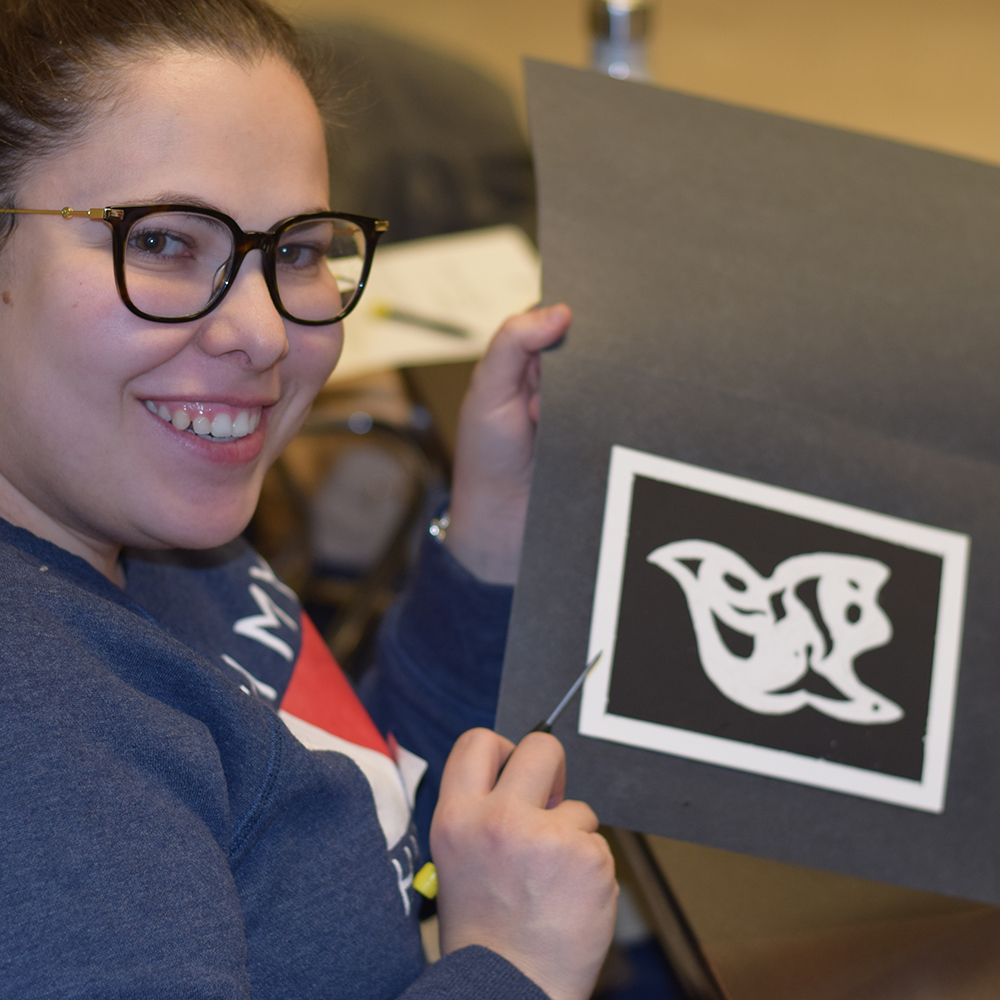
This winter, as part of the Artist in Community Education Concentration at the Queen’s University Faculty of Education, we had the opportunity to host “Artings” in Duncan McArthur Hall.  I chose to do a scratchboard event.

Basically, an arting is a brief art workshop, often only one night and for one art project.  Our scratchboard arting was 45 minutes.  Participants were able to start and finish their art pieces in this brief time together.  It was so nice to see so many happy faces as participants left with their own finished artworks in hand.

Scratchboard 5
Scratchboard 1
Scratchboard 18
Scratchboard 15
Scratchboard 7

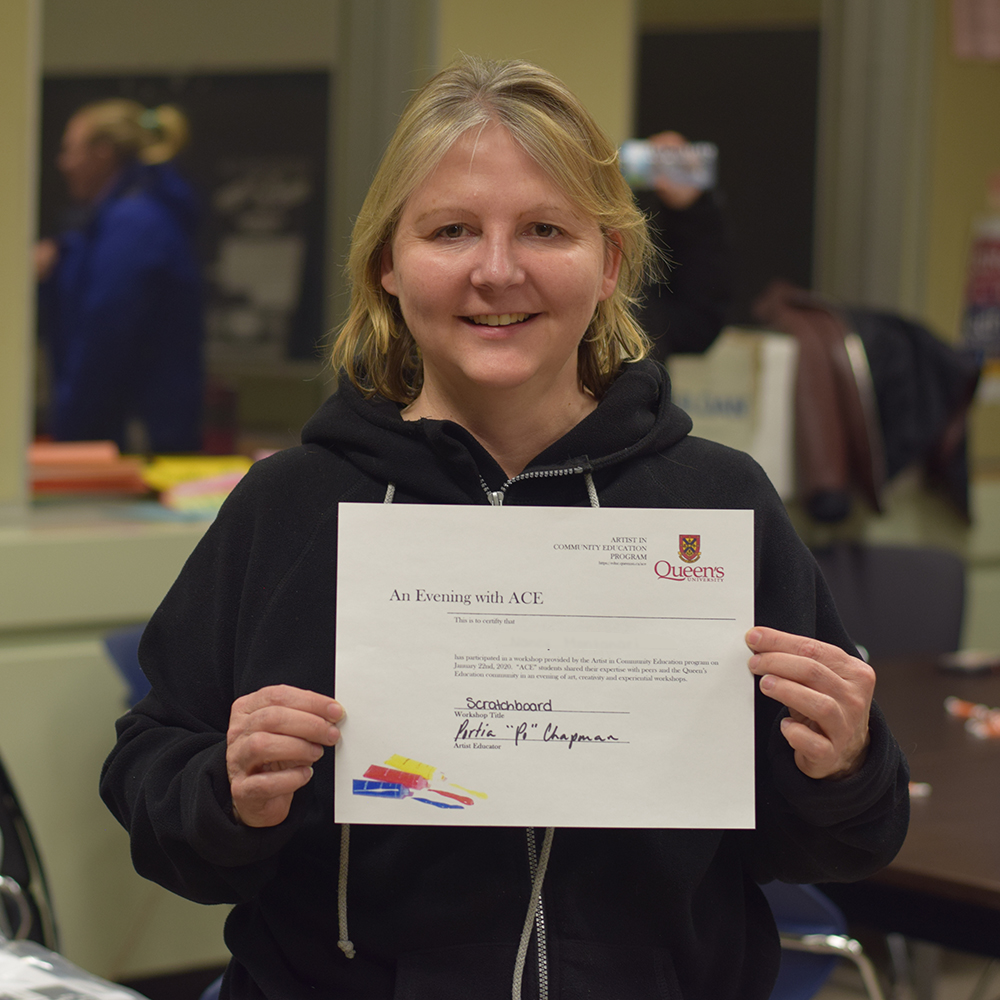
Before participants left to mount their artworks at home, each participant received a certificate of completion.  I can’t wait to host more artings this fall.

Thanks:

I would like to thank my supportive sister Jasmine Chapman (BEd CommTech) for photographing this event for me.  Not many sisters get to do their BEd together – but we did!

I would like to thank my ACE professor Aynne Johnston for integrating this fun arting opportunity into our concentration.  Artings are so fun, productive, and only take a short time to do.  If we all took an hour to create each week/month, just imagine how we could beautify our world together.

Po

Contact

โ† Back

Thank you for your response. โœจ

Warning
Warning
Warning
Warning.

Belleville, Ontario, Canada
portia@loveartbypo.ca
613-779-7975